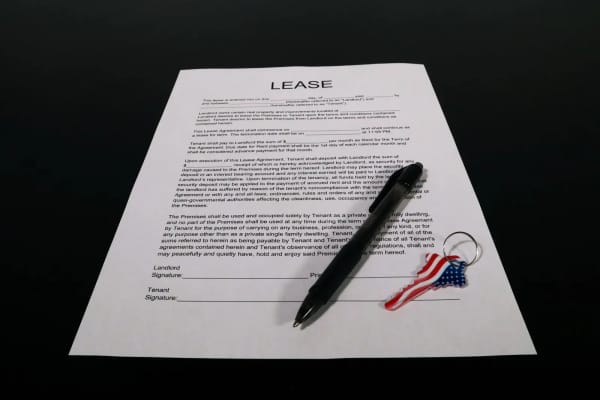
Renting your first apartment in Provo is a rite of passage — and one that comes with more decisions, paperwork, and potential pitfalls than most people expect. Whether you're a BYU or UVU student signing your first lease, a young professional moving to the area, or a newcomer relocating from out of state, the Provo rental market has specific quirks that are worth understanding before you commit.
This guide walks you through the entire process, from setting your budget to move-in day, with a checklist format you can reference at every step.
Step 1: Set Your Budget
Before you start browsing listings, get honest about what you can afford. The standard rule is that rent should be no more than 30% of your gross monthly income. For students relying on savings, financial aid, or part-time work, that math looks different — but the principle holds: don't stretch beyond what's sustainable.
What Rent Looks Like in Provo
The most reliable public figures are the Census Bureau's American Community Survey medians for 2020-2024. They measure gross rent (rent plus utilities) across all renters in Provo, including people who signed years ago, so treat them as a floor for a new lease rather than an asking price.
| Unit Type | Provo median gross rent |
|---|---|
| Studio | $1,065/mo |
| 1-bedroom | $1,036/mo |
| 2-bedroom | $1,163/mo |
| 3-bedroom | $1,514/mo |
| All units | $1,193/mo |
Shared rooms in student housing are priced per bed rather than per unit, so compare them on the per-person price and what it includes.
Beyond Rent: The Full Monthly Cost
Rent is only part of your housing cost. Budget for these additional expenses:
- Utilities (electric, gas, water/sewer): $80–$150/month depending on usage and season. Some complexes include utilities in rent — ask specifically.
- Internet: $30–$70/month unless included. Some newer complexes include Google Fiber.
- Renter's insurance: $15–$30/month. Not always required, but strongly recommended. It protects your belongings in case of fire, theft, or water damage.
- Parking: Free at many complexes, but some downtown or campus-adjacent properties charge $35–$100/month for a spot.
- Pet fees: If applicable, expect a $200–$500 pet deposit plus $25–$50/month in pet rent.
Budget formula: Take your expected rent and add $150–$250 for the extras above. That's your real monthly housing cost.
Step 2: Know What You Need
Before you start searching, clarify your priorities. Provo's rental market is large enough that you'll have options, but different areas of the city and different types of housing serve very different needs.
Questions to Answer First
How close to campus or work do you need to be? Walking distance to BYU limits you to the Joaquin/campus-adjacent area, where competition is fierce and leases follow the academic calendar. A short bus or bike ride opens up downtown, Edgemont, and north Provo — often at better prices.
Do you need furnished or unfurnished? Most student housing near BYU comes furnished. Non-student apartments are typically unfurnished. If you're buying furniture for the first time, factor that into your budget ($500–$1,500 for basics from secondhand sources).
How long is the lease? Student housing often follows academic-year contracts (August to August or September to April). Standard apartments typically offer 12-month leases. Some properties offer month-to-month or 6-month options, usually at a premium.
Do you need parking? Free transit on UTA makes this a real question. If you can get by without a car, you'll save on parking, insurance, and gas.
Do you have pets? This significantly narrows your options. See our Pet-Friendly Apartments guide for details.
Step 3: Search Smart
Where to Look
- Apartments.com, Zillow, Trulia — The big national platforms. Good for filtering by price, pet policy, and amenities.
- Rentler — A Utah-based rental platform with strong Provo listings, including smaller landlords who don't list on national sites.
- Facebook Marketplace & BYU Housing Groups — For sublets, room shares, and contract sales. Common in the BYU housing market where students sell remaining lease contracts.
- Walk the neighborhood — Especially in older parts of Provo, many landlords still post "For Rent" signs without listing online. If you want to live in a specific area, drive or walk through it and look for signs.
- Property management companies — Redstone Residential, Peak Capital, and others manage multiple complexes in Provo. Checking their websites directly can surface units not yet listed on aggregator sites.
Red Flags to Watch For
No in-person tour available. Never sign a lease without seeing the actual unit — not a model, not photos, the actual unit you'll be living in. Scams exist, especially targeting out-of-state students.
Pressure to sign immediately. A landlord telling you "this will be gone by tomorrow" may be right in peak season (June–August), but it's also a classic pressure tactic. Good apartments do fill fast, but a legitimate landlord will give you 24–48 hours to decide.
Vague or missing lease terms. If the lease doesn't clearly state the rent amount, lease duration, security deposit terms, and what's included, ask for clarification in writing before signing.
Unusually low rent. If a listing seems too good to be true, it probably is. Cross-reference with similar units in the area to make sure the price is realistic.
Step 4: Tour the Unit
When you visit a potential apartment, go beyond checking if the paint is fresh. Here's what to look for:
The Checklist
Water pressure: Turn on the kitchen and bathroom faucets. Flush the toilet. Weak pressure or slow drainage signals plumbing issues that won't get better after you move in.
Outlets and lighting: Count the outlets in each room. Plug in your phone charger to make sure they work. Check that all light switches function.
Windows and locks: Open and close every window. Check that all locks work — on the front door, windows, and any sliding doors. Broken locks are a safety issue and the landlord's responsibility to fix before move-in.
Appliances: Open the fridge, turn on the stove burners, run the dishwasher if there is one. Test the microwave. Appliance replacement is the landlord's problem before you sign — not after.
Signs of pests: Check under sinks, behind the fridge, and in closet corners for droppings, traps, or dead insects. Ask the landlord directly about pest history.
Cell signal: Check your phone signal in every room. Basements and concrete buildings in Provo can have surprisingly poor reception.
Heating and cooling: Ask what type of heating the unit has (central, baseboard, wall unit) and whether AC is included. Provo summers hit 90°+ regularly, and winters are cold. These matter.
Storage: Check closet sizes, kitchen cabinet space, and whether there's any additional storage (garage, storage unit, etc.). If the answer is "not enough," our storage units guide covers renting space nearby — and the late-summer crunch to plan around.
Noise: Visit at different times if possible. A quiet Saturday morning might sound very different from a Thursday night if you're near campus or a busy road.
Step 5: Understand the Lease
A lease is a legally binding contract. Read every word before you sign. Here are the key terms to understand:
Critical Lease Terms
Lease duration and renewal. When does the lease start and end? Does it auto-renew to month-to-month, or do you need to sign a new lease? What's the penalty for breaking the lease early?
Rent and payment. When is rent due? What's the late fee? How do you pay — online, check, money order? Is there a grace period?
Security deposit. How much? Under Utah law, landlords must return your deposit within 30 days after you move out and return possession, minus deductions the law allows: unpaid rent, damage beyond reasonable wear and tear, cleaning, and other costs and fees the contract provides for. Get the move-in condition documented (see Step 6).
What's included. Utilities, internet, parking, laundry, trash — ask specifically about each one. "Utilities included" might mean water and sewer but not electricity. Get it in writing.
Maintenance responsibilities. Who handles repairs? How do you submit maintenance requests? What's the expected response time? Utah law requires landlords to maintain habitable conditions, but knowing the process upfront prevents frustration later.
Guest and occupancy policies. Especially relevant in BYU-contracted housing, which has specific rules about guests, overnight visitors, and conduct.
Subletting. Can you sublet if you need to leave early? This is common in the BYU market where students go on missions, internships, or transfer. Know the policy before you sign.
Pet policy. If you have a pet, get the policy in writing — breed restrictions, weight limits, deposits, and monthly pet rent. "Pet-friendly" means different things to different landlords.
Step 6: Document Everything at Move-In
This is the step most first-time renters skip, and it's the one that costs them money later. On move-in day, before you unpack a single box:
The Move-In Inspection
Take photos and video of every room. Walls, floors, ceilings, appliances, fixtures, windows, doors. Document any existing damage — scuffs, stains, cracks, chips, anything. Timestamp your photos.
Fill out the move-in condition report. Most landlords provide one. If yours doesn't, create your own. Note every piece of existing damage, no matter how small. Both you and the landlord should sign it.
Test everything again. Every faucet, every outlet, every appliance, every lock. If something doesn't work, report it in writing on day one.
Email your documentation to the landlord. Don't just keep it on your phone. Send the photos and condition report via email so there's a dated, written record. This is your protection when it's time to get your security deposit back.
Step 7: Know Your Rights
Utah tenant law provides specific protections. The key ones:
Habitable conditions. Your landlord must maintain the unit in a livable condition — functioning plumbing, heating, electricity, and structural integrity. If something breaks that affects habitability, the landlord is legally required to fix it within a reasonable timeframe.
Security deposit limits. There's no state-mandated cap on security deposits in Utah, but the landlord must return your deposit within 30 days of move-out, with an itemized list of any deductions.
Retaliation protection. A landlord cannot raise your rent, reduce services, or evict you in retaliation for requesting repairs or exercising your legal rights.
Entry notice. Unless your rental agreement says otherwise, Utah law requires the landlord to give at least 24 hours' notice before entering your unit, so read the entry clause in your lease.
If something goes wrong: Document everything in writing. Communicate with your landlord via email or text so you have a record. If issues aren't resolved, the Utah State Bar's Modest Means Lawyer Referral program can connect you with affordable legal help, and BYU's Student Legal Services offers free assistance to enrolled students.
Provo-Specific Tips
Timing matters. The Provo rental market is heavily driven by the academic calendar. The best selection of apartments is available in March–May for fall move-in. By July and August, the best options are taken. If you're looking for non-student housing, you'll find better deals in the winter months when demand is lower.
Contracted vs. community housing. BYU requires single undergraduates to live in BYU-contracted housing for their first two semesters. After that, you can move to any housing — what BYU calls "community housing." Community housing is often cheaper and has fewer conduct restrictions, but you lose the built-in social structure of ward-based student complexes.
Academic-calendar leases are unique to Provo. Many student housing contracts run August to April (fall + winter semesters) rather than a standard 12-month lease. This means you may need separate summer housing arrangements. Understand the exact dates before signing.
Utilities spike in winter. Provo winters are cold, and heating costs (especially in older buildings with poor insulation) can double your utility bill from December through February. Ask previous tenants or the landlord about average winter utility costs.
The summer gap is a real budgeting problem, not a footnote. Because so many student contracts run August to April, thousands of renters here face an eight-to-sixteen-week hole every spring. There are three usual answers and they cost very different amounts: take a summer contract at the same or another complex, often at a discount because demand collapses; sublet your existing spot and keep the room; or go home and store your belongings. The trap is assuming a spring contract automatically rolls into summer. Ask, in writing, what happens on the last day of the winter term and what a summer term would cost, before you sign the fall one.
Verify the landlord controls the unit. Utah Valley's rental stock includes a lot of individually owned condos and basement apartments alongside the big complexes, and that is where rental scams concentrate. Before sending money, confirm the person you are dealing with is the owner or a licensed property manager, view the unit in person or through someone you trust, and be suspicious of any listing priced conspicuously below comparable units, any request to wire funds or pay in gift cards, and any reason the keys cannot be handed over in person. A deal that requires you to pay before you see anything is the deal to walk away from.
Renter's insurance is cheap and worth it. For $15–$25/month, you protect your belongings and get liability coverage. Some landlords require it; even if yours doesn't, get it. A single incident — a water leak from the unit above, a break-in, a kitchen fire — can cost thousands without coverage.
The Complete Checklist
Use this as a reference from search through move-in:
Before You Search: Set your total monthly housing budget (rent + utilities + extras), list your non-negotiables (location, parking, pets, furnished), and decide on your target move-in date.
During Your Search: Compare at least 3–5 options in your price range, tour every unit in person, check water pressure, outlets, locks, and cell signal, ask about all costs beyond rent, and read online reviews from current and former tenants.
Before Signing: Read the entire lease, clarify what's included in rent, understand the early termination policy, confirm move-in and move-out dates, ask about the security deposit return process, and get any verbal promises in writing.
At Move-In: Photo and video-document every room, complete the move-in condition report, test all appliances and fixtures, email documentation to the landlord, set up utilities and renter's insurance, and change locks if permitted (or request the landlord re-key).
Step 8: Know how the relationship ends before it starts
The checklist above takes you through finding, touring, signing and moving in. The step people skip is the last one, and it is the step that decides whether you get your money back — because almost every dispute a first-time renter has is about the end of the tenancy rather than the middle of it.
Read the ending clauses of the lease on the day you sign, when you have leverage and no emotional investment, rather than in the final month when you have neither.
The four dates that matter, and where to write them down. Put these in a calendar the day you sign, with reminders:
- When notice is due. A lease commonly requires written notice a set period before the end. Miss it and you may be committed to another term or moved to a more expensive month-to-month arrangement. This is the single most expensive date on the list and the one most often missed.
- When the lease ends, which is not always the date you remember, and in student housing frequently falls mid-month rather than at a month boundary.
- When rent increases take effect, if a renewal has been offered.
- When you must physically be out, which is sometimes earlier than the lease end date.
Notice means what the lease says it means. If it requires writing, a text message may not count. If it requires delivery to a specific office, telling a maintenance person does not count. Send it in the required form, keep a copy, and get an acknowledgment. Then keep that acknowledgment somewhere that is not the phone you might lose.
The move-out inspection is the mirror of Step 6. Everything you documented at move-in exists for this moment. Photograph the empty unit the same way you photographed it full — same rooms, same angles, same lighting if you can manage it — because a matched pair of images is far more persuasive than either one alone. Get the meter readings. Note the date on the images.
Ask to be present at the inspection. Not every arrangement allows it, but where it does, being there converts a later argument into a conversation with someone who can be shown things. If you cannot attend, ask for the inspection report in writing.
Understand that "normal wear and tear" is a real category. Carpet flattening in a walkway, minor scuffs on a wall, and fading are ordinarily distinguishable from damage. You do not have to accept a charge simply because it appeared on a statement. You do need your move-in documentation to say so credibly, which is the entire reason Step 6 exists.
Leave a forwarding address in writing, and keep proof that you did. A deposit accounting cannot reach you at an address nobody has, and "they never sent it" is a much weaker position if you never told them where to send it.
Related Guides
- Rent or Buy in Provo? The Honest 2026 Math — when renting is the smart call (and when it stops being)
- Pet-Friendly Apartments in Provo
- Best Apartments Near BYU
- Provo Neighborhoods Guide
- Moving to Provo: The Ultimate Guide
- Utilities Setup Checklist
- Renters' Rights in Utah: Deposits, Repairs, Entry & Eviction, Explained
- Provo & Orem Apartment Directory — look the building up before you sign
- The Provo Newcomer's Guide — the printable version of everything that follows the lease
- Hiring a property manager — who your landlord answers to, and how to check their license
- Renters Insurance in Utah Valley
- Your First Non-Student Apartment — the disclosure a landlord owes you before the application fee
Last updated: April 2026. Rental prices, lease terms, and Utah tenant laws are subject to change — always verify current information directly.
Frequently Asked Questions
How much is rent in Provo Utah?
What should I know before renting in Provo?
How much should I budget for move-in costs in Provo?
What is the difference between a deposit and a non-refundable fee in Utah?
Can I get out of a Provo student housing contract early?
Should I tour an apartment in person or is a virtual tour enough?
What should I photograph at move-in?
Do I need a car in Provo?
What is the most expensive mistake a first-time renter makes at the end of a lease?
How do I make sure I get my deposit back?
Sources
The facts in this guide were checked against these sources. Hours, fees and rules change, so confirm anything time-sensitive with the source before you go. How we make Provo.com.
- UTA School Pass Programs: Brigham Young University, Utah Transit Authority. Checked October 12, 2026.
- Utah Code 57-17-3 Deductions from deposit; time for return, Utah State Legislature. Checked October 12, 2026.
- Utah Code 57-17-2 Non-refundable deposit; written notice required, Utah State Legislature. Checked October 12, 2026.
- Utah Code 57-22-4 Owner's duties, Utah State Legislature. Checked October 12, 2026.
- ACS 5-year B25031 Median Gross Rent by Bedrooms (2020-2024), Provo and Orem, U.S. Census Bureau. Checked October 12, 2026.
- Student Housing Policy, Brigham Young University. Checked October 12, 2026.
- Transit Pass FAQs, Utah Valley University. Checked October 12, 2026.