Update, September 1, 2026: the airport has since split its schedule by phase — gates 6–8 in December 2027, gates 9–10 in 2029. Details in our timeline update.
Provo's airport keeps acting bigger than its size — and 2026 has brought two of its clearest signals yet.
Bigger planes on the Dallas route
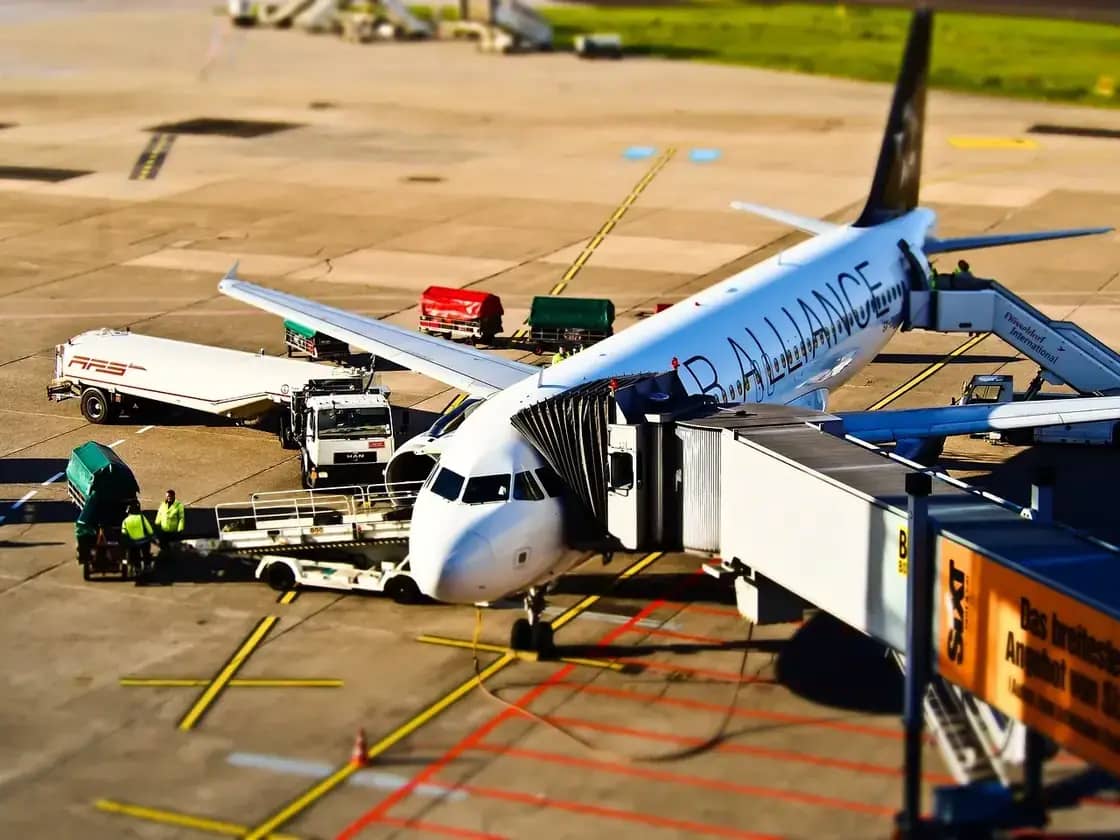
This spring, American Airlines added mainline Airbus A319 service on its Provo–to–Dallas/Fort Worth route, starting April 10, 2026, on Mondays and Fridays, alongside its regular regional flights. In plain terms: on those days, more seats, more room, and a more "major airport" feel on a route that connects Utah Valley travelers into American's national and international network through one of its biggest hubs. It's a notable vote of confidence in a field that, not long ago, handled only a trickle of commercial flights.
Provo Municipal Airport (code PVU) is now Utah's second-busiest airport by passenger boardings, served by Allegiant, Breeze Airways, and American, with departures to destinations in the western and central U.S. For students flying home, families heading out on vacation, or anyone tired of the drive up to Salt Lake City, the short, low-stress airport on Provo's west side has become a practical option.
The build toward 10 gates
The longer story is the construction happening around the terminal. The airport is working through a phased expansion aimed at eventually reaching 10 operating gates, adding ticketing capacity, baggage-handling systems, and several new gate hold rooms. The next stage is a north concourse with additional gates and hold-room space.
Crucially, the work is being staggered so commercial flights keep running throughout. Airport officials first said the new gates should be in service by late 2028, at which point they hope to recruit additional airlines and "many more" routes. In June 2026 the airport dated the phases separately: the North Concourse, bringing the total to eight gates, by December 2027, and the South Concourse, reaching ten, in 2029. There's also room in the expanded footprint for restaurants and shops — airport staff have indicated they'll open tenant proposals once spacing plans are finalized.
Why it matters for Utah Valley
This isn't happening in a vacuum. Utah County has been one of the fastest-growing parts of the state, and a closer, larger airport reshapes the math on travel for residents and the local economy alike. The most concentrated version of that growth is Utah City, the roughly 700-acre development going up on the eastern shore of Utah Lake in Vineyard. More gates and more carriers generally mean more nonstop options and more competition on fares.
For now, the practical takeaways are simple: more seats on the Dallas route, a steadily expanding terminal, and an airport that's worth checking before you default to flying out of Salt Lake. Because schedules and seasonal routes shift frequently, confirm current service on each airline's site before you book.
Heading to the airport from out of town? Our SLC airport to Provo guide covers the other end of the trip, and our moving to Provo guide has more on getting around the valley.
Related Guides
- New FEMA flood maps take effect in Provo on June 23 — what homeowners and renters should know
- Famous People From Provo and Utah Valley
- iProvo: The City That Built Its Own Internet, Sold It Twice, and Kept the Debt
- A Short History of Provo: From Fishing Camp to College Town
- Seven Peaks: How Provo's Water Park Nearly Died
- Geneva Steel: The Mill That Built Utah Valley, and the Ground It Left Behind
Frequently Asked Questions
Which airlines fly out of Provo Airport?
What is the Provo Airport expansion?
Where is Provo Airport and how do I park?
Sources
The facts in this guide were checked against these sources. Hours, fees and rules change, so confirm anything time-sensitive with the source before you go. How we make Provo.com.
- CY 2024 Enplanements at All Commercial Service Airports (by Rank), Federal Aviation Administration. Checked October 12, 2026.
- American Starts Mainline Service at New Airport, AirlineGeeks. Checked October 12, 2026.
- Mainline service: American Airlines brings A319 to Provo for some DFW flights, Daily Herald. Checked October 12, 2026.
- Officials say Provo Airport expansion progressing on schedule, as passenger count surges, Lehi Free Press. Checked October 12, 2026.