
A brighter, straighter, more even smile is one of the most common things people quietly wish they could change about themselves — and cosmetic dentistry is how it's done. Utah Valley has a deep bench of dentists who offer cosmetic treatments, from a simple professional whitening to a full smile makeover, and this guide is meant to help you understand the options before you sit in anyone's chair.
First, an important distinction. This is a guide to cosmetic dentistry — elective treatments that improve how your smile looks. If what you need is a regular or family dentist for cleanings, checkups, and everyday care, that's a different search, and our separate guide to finding a dentist in Provo and Orem is the better starting point; we link it at the end. Here, we're focused on the treatments people choose to enhance their smile's appearance: what each one does, how they differ, what drives the cost, and how to pick the right dentist for the job.
Cosmetic vs. General Dentistry: Where the Line Is
The difference between cosmetic and general dentistry comes down to purpose. General dentistry is about health and function — cleanings, exams, fillings, crowns, root canals, and fixing problems. Cosmetic dentistry is about appearance — whitening, veneers, bonding, reshaping, and straightening chosen primarily to improve how your smile looks.
In practice, the line blurs, and that's worth understanding. A crown that restores a cracked molar also happens to look like a natural tooth. Straightening crooked teeth improves both your bite and your appearance. Many treatments deliver a health benefit and an aesthetic one at the same time. The useful framing isn't a rigid category but a question of goal: are you fixing a problem, or improving how your smile looks? Most cosmetic dentistry is elective, which is why it's usually not covered by dental insurance — a key practical difference from a filling or a cleaning.
It's also worth knowing that most general and family dentists in the area offer at least some cosmetic services, so you don't necessarily need a separate "cosmetic dentist." What you want is a dentist with genuine experience and a strong aesthetic eye for the specific treatment you're considering.
Teeth Whitening: The Simplest Place to Start
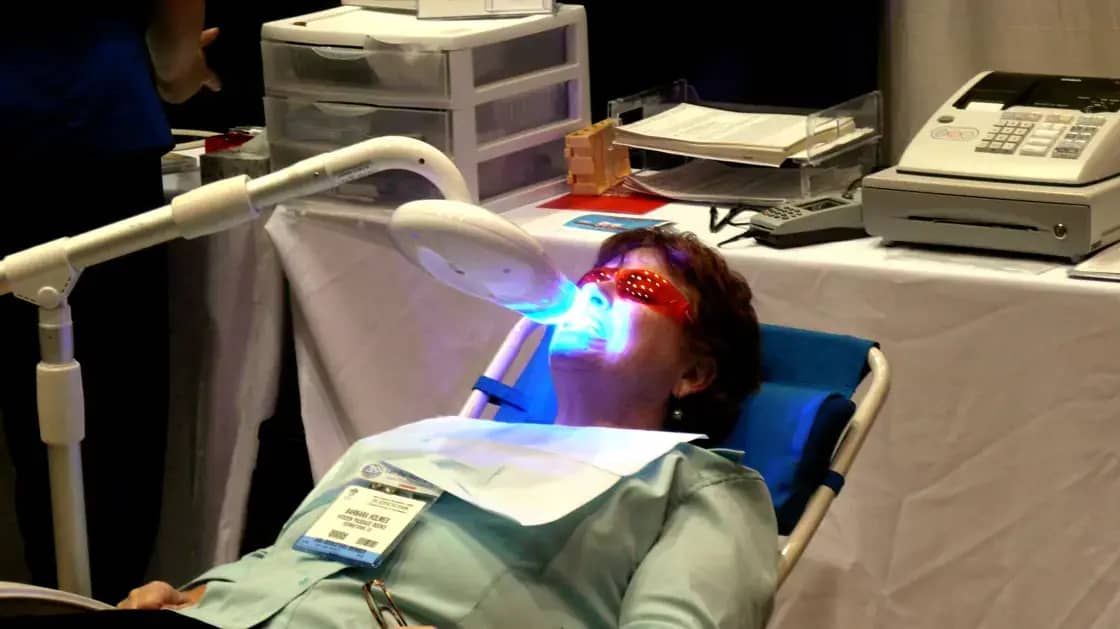
Professional teeth whitening is the most popular and most accessible cosmetic treatment, and for good reason — it's relatively quick, non-invasive, and makes a visible difference. The key thing to understand is how much more effective professional whitening is than the drugstore version. Local practices report that professional whitening can lighten teeth by many shades — dramatically more than over-the-counter strips and toothpastes, which tend to produce a much smaller change. That gap comes down to stronger, professionally applied products and, often, custom-fitted trays.
You generally have two professional routes. In-office whitening uses a potent treatment (sometimes activated by light or laser) to lighten teeth quickly in a single visit — the fastest option. Take-home kits from your dentist use professional-strength gel in custom trays made for your mouth, whitening gradually over a couple of weeks at home. Both are more effective and better-controlled than anything you'll buy at a store.
Two caveats keep expectations realistic. Whitening works on natural tooth enamel — it won't change the color of existing crowns, veneers, or fillings, which is why whitening is often done before other cosmetic work so everything can be matched. And the results fade over time, especially with coffee, tea, red wine, and other staining habits, so periodic touch-ups keep a bright smile bright. Because it's affordable and low-commitment, whitening is often the right first step, and sometimes it's all someone needs.
Veneers: The Dramatic Transformation
When people picture a complete smile makeover, they're usually picturing veneers — thin, custom shells of porcelain bonded to the front of the teeth. Veneers are the workhorse of dramatic cosmetic dentistry because a single treatment can address multiple issues at once: deep discoloration that whitening can't fix, chips and cracks, gaps, and teeth that are unevenly shaped or slightly misaligned. The result, done well, is a uniform, natural-looking smile.
The process typically takes about two visits. At the first, the dentist prepares the teeth and takes molds, and a specialized lab crafts veneers shaped and colored to match your desired smile; you usually wear temporaries in the meantime. At the second visit, the finished veneers are bonded permanently in place. A good veneer can last roughly a decade or more with proper care, and because porcelain resists staining, veneers hold their color — though your surrounding natural teeth can still discolor, so ongoing care keeps everything even.
There are trade-offs worth discussing with a dentist. Traditional veneers are the most durable but require removing a small amount of enamel so the shell adheres well, which makes them essentially permanent. No-prep veneers preserve more of your natural tooth and are thinner, but may not last as long or suit every situation. Some practices also describe using veneers as a kind of "instant orthodontics" — improving the appearance of crooked or unevenly spaced teeth in a couple of visits rather than months of straightening. Veneers are the most expensive of the common cosmetic treatments, especially across several teeth, since each one is custom-made; that investment is exactly why choosing an experienced, aesthetically skilled dentist matters so much here.
Bonding, Reshaping, and the In-Between Options
Not every fix requires veneers, and a skilled cosmetic dentist won't reach for the most expensive option when a simpler one will do. Dental bonding uses a tooth-colored resin, applied and shaped in a single visit, to repair a chipped tooth, close a small gap, or improve the shape of a tooth. It's more affordable than veneers and requires little to no removal of natural tooth, making it a conservative choice for smaller, targeted improvements — though bonding is generally less stain-resistant and less durable than porcelain over the long run.
Tooth-colored restorations — like white fillings, inlays, onlays, and all-porcelain crowns for front teeth — blend cosmetic and restorative goals, repairing a tooth while keeping it looking natural. These matter for anyone who wants function restored without the look of silver fillings or a mismatched crown in the smile line. The point of knowing these exist is simple: cosmetic dentistry is a spectrum, and the right treatment is the one that meets your goal at the lowest cost and least intervention. A trustworthy dentist will lay out the range rather than defaulting to the priciest fix.
Clear Aligners: Straightening as a Cosmetic Choice
For many adults, the cosmetic concern isn't color but alignment — and clear aligners have made straightening far more appealing than it used to be. Systems like Invisalign and ClearCorrect use a series of nearly invisible trays to gradually move teeth into position, worn most of the day and removed to eat and brush. Their appeal is obvious: adults who never wanted a mouth full of metal can straighten their teeth discreetly.
Because straightening improves both appearance and bite, aligners sit right at the intersection of cosmetic and orthodontic care, and several Utah Valley cosmetic and general dentists offer them alongside their other services. Whether aligners are right for you depends on your specific alignment issues — some cases are well-suited to aligners, others call for traditional orthodontics — which is exactly the kind of thing a consultation sorts out. If crookedness rather than color is what bothers you, aligners are worth asking about. For a deeper look at the orthodontic side — clear aligners versus braces, cost, the retainer reality, and what adult treatment involves — see our dedicated guide to adult orthodontics and Invisalign in Utah Valley.
Smile Makeovers: Putting It Together
A smile makeover isn't a single procedure — it's a coordinated plan that combines several cosmetic (and sometimes restorative) treatments to transform your overall smile. Depending on your goals, it might blend whitening, veneers, bonding, aligners, and work like crowns or implants into one sequenced plan. Because it's fully customized, no two smile makeovers look alike, and both the cost and the timeline depend entirely on which treatments are involved.
A smile makeover starts with a thorough consultation, where the dentist listens to what you want to change, examines your teeth, and maps out a sequence to get there. This is the moment to be candid about your goals, your budget, and your timeline, and to make sure the dentist's vision matches yours. For a significant investment like this, the planning conversation is as important as the treatments themselves.
Timing a New Smile Around a Wedding or Big Event
A huge share of cosmetic dentistry is booked with a specific date in mind — a wedding, a reunion, a milestone — and in Utah Valley that date is very often a wedding, where the smile is in every photo for the rest of your life. If that's your motivation, the key lesson is the same one that applies to every part of wedding planning: start early. Cosmetic dental work is not a last-minute fix.
The timelines make this concrete. Whitening is relatively quick, but it's usually done before any veneers or crowns so the permanent work can be color-matched to your brightened shade — do it in the wrong order and your restorations won't match. Veneers and smile makeovers take multiple visits with lab time in between, and custom work can require weeks from consultation to final placement, longer during a dentist's busy stretches. Clear-aligner straightening takes months. So if you want your smile camera-ready for a wedding day, book the consultation early in your planning — think months ahead, not weeks — so there's time to complete the treatment, settle into the result, and handle any adjustments without racing the calendar. It slots naturally alongside the rest of your planning; our wedding planning timeline is built around this same book-it-early logic. The couples who are happiest with their wedding-day smile are the ones who treated it like every other vendor: early, not last-minute.
Caring for Cosmetic Work
Cosmetic dentistry is an investment worth protecting, and how you care for it affects how long it lasts. The everyday basics still apply — brushing, flossing, and regular dental cleanings keep both your natural teeth and any cosmetic work healthy — but a few things matter especially. Because veneers resist staining while your natural teeth don't, staying on top of coffee, tea, and red-wine habits (and keeping up with cleanings) keeps your whole smile an even color rather than a patchwork. Whitening needs periodic touch-ups to stay bright. And if you grind your teeth, ask your dentist about a night guard to protect veneers and bonding from wear. Treat the result as something to maintain, not a one-time purchase, and it will serve you far longer.
What It Costs — and How to Think About It
Cosmetic dentistry pricing spans a wide range, and honesty beats false precision here. As a rough hierarchy, whitening is generally the most affordable, bonding sits in the middle, and veneers are the most expensive — particularly across multiple teeth, since each is custom-made. A full smile makeover combining treatments is the largest investment. Where exactly your case lands depends on the specific treatments, the number of teeth, the materials, and the practice.
Two practical realities shape the budget. Most cosmetic dentistry is elective and not covered by dental insurance, unlike a cleaning or a medically necessary crown — though many practices offer financing or payment plans, and some have in-house options. And the single best money move is to get a written treatment plan and estimate before agreeing to anything beyond a consultation, so you know the full cost of reaching your goal rather than just a starting price. Prices vary by office and change over time, so confirm everything directly.
How to Choose a Cosmetic Dentist
Cosmetic work is part skill and part artistry, so choosing well matters more than it does for a routine filling. Look at the dentist's own before-and-after photos for the treatment you want — this is the clearest window into their aesthetic and skill. Ask about their experience with your specific procedure, since a dentist who does veneers regularly will get a better result than one who does them occasionally. Read reviews across platforms, and note any recognition from credible sources. And have a real consultation where the dentist listens to your goals, sets realistic expectations, and lays out options and costs clearly rather than pushing the most expensive plan.
Utah Valley's cosmetic-dentistry market is deep, so treat any names as a starting point rather than a ranking. Provo- and Orem-area practices that publicly offer cosmetic services include Hammond Aesthetic & General Dentistry (a Provo practice, Dr. Chris Hammond, that has earned local top-dentist recognition), Provo Family Dentistry and Gentle Dental Arts (Provo practices offering veneers, whitening, and clear aligners), Matthews Smiles Dental and Timpview Dental (Provo), and Hill Family Dental (Orem). Verify current services and pricing directly, compare a few consultations, and choose based on the dentist's experience and your comfort — not on price alone or a paid listing.
More Utah Valley Living Guides
If you also need everyday dental care, our practical guide to finding a dentist in Provo and Orem covers cleanings, costs, dentists for kids, and low-cost options — the health-and-function side that pairs with the cosmetic work here. For broader healthcare setup in the area, see our guide to finding a doctor in Provo, and if facial aesthetics are also on your mind, our companion guide to med spas, Botox, and fillers in Utah Valley walks through those options with the same emphasis on choosing a qualified provider.
One note to close: nothing here is dental or medical advice, and the right treatment depends on your individual teeth and goals. Use this guide to ask sharper questions, then let a qualified dentist who has examined you in person plan the actual work.
The Smile Gallery, From the Other Side
Every recommendation in this guide points you at a dentist's before-and-after photographs, and it should — for veneers and cosmetic bonding, the gallery is the single most honest indicator of whether a dentist's aesthetic matches yours. The people in those photographs agreed to be there, usually during intake, usually quickly. Here is what that agreement involves if you are considering it.
Treatment consent and photo consent are different documents doing different jobs. Cosmetic dentistry produces clinical photography as a matter of routine — shade matching, bite records, progress documentation across a multi-visit veneer case. That imagery is part of your record and exists whether or not it is ever shown to anyone. Marketing use is a separate decision, and it deserves a separate signature. If both live on the same intake form, ask for them to be split.
Dental before-and-afters are unusually identifiable. A cropped smile feels anonymous and frequently is not — teeth, lips, and the lower face are recognizable to anyone who knows you, and the images are often paired with treatment detail that narrows it further. If you would rather not be identifiable to your own neighbors in a marketing photo, say so, and ask what cropping the practice actually uses.
Whether federal health privacy rules apply is a real question here. A dental practice that bills insurance electronically is very likely a covered entity, and covered entities generally need specific written authorization before using protected health information for marketing — which identifiable patient photography is. Coverage attaches to the practice rather than the procedure, so an office that bills insurance electronically for restorative work is covered for its cash-pay veneer patients too, while a practice that never conducts those electronic transactions may sit outside the regime. Do not assume; ask, and treat the consent form as load-bearing either way.
Before you sign the intake packet
- Which photographs are clinical record and which are for marketing?
- Where can marketing images appear — website, social media, paid advertising, in-office displays, a lab or manufacturer's materials?
- How are they cropped, and can I ask for tighter cropping?
- Can I withdraw consent, and what happens to what is already published?
- Is the consent open-ended, or does it expire?
A second local wrinkle: the lab is a third party. Veneer and crown cases are made by a dental laboratory, and labs run their own marketing using case photography supplied by dentists — sometimes alongside the ceramist's name rather than the practice's. Manufacturers of aligners and whitening systems do the same through provider-spotlight programs. If you consent to your dentist using your photographs, ask whether that consent extends to onward supply to a lab, an aligner brand, or a franchise network, because those images travel further and are harder to recall than anything on the practice's own website.
One local wrinkle worth naming. Cosmetic dental work clusters before weddings and before missions and other departures, which means a meaningful share of the smile galleries in this valley are people photographed weeks before a major life event. If your treatment is timed to something you would rather not have publicly dated — and a before-and-after with a visible timeline effectively dates it — that is a reasonable thing to raise. Asking for a delay before publication is a common and easily granted request.
There is nothing adversarial about any of this. A dentist's gallery is how you are choosing them right now, and patients who consent are doing the next person the same favor. The point is simply that it should be a decision rather than a reflex, and the moment to make it is at intake. This is general information rather than legal or dental advice; ask the practice and read the form.
Related Guides
Frequently Asked Questions
How is cosmetic dentistry different from regular dentistry?
How much do veneers, whitening, and other cosmetic treatments cost?
How long do teeth whitening and veneers last?
What is a smile makeover?
Can clear aligners like Invisalign be considered cosmetic?
Will my dentist ask to use my before-and-after photos?
Are cropped dental before-and-after photos really anonymous?
Does HIPAA cover cosmetic dentistry photos?
Sources
The facts in this guide were checked against these sources. Hours, fees and rules change, so confirm anything time-sensitive with the source before you go. How we make Provo.com.
- 45 CFR 160.103 Definitions, eCFR / HHS. Checked October 12, 2026.
- 45 CFR 164.508 Uses and disclosures for which an authorization is required, eCFR / HHS. Checked October 12, 2026.