Upcoming dates

America's Freedom Festival is Provo's biggest event — and one of the largest Fourth of July celebrations in the country. What started as a local parade in the late 1800s has grown into a multi-month series of over 25 events that culminate in the Grand Parade and Stadium of Fire on Independence Day. More than 300,000 people attend the parade alone, and the celebration draws national media attention and a Department of Defense broadcast to military personnel serving overseas.
Whether you're a Provo local who's been camping out on University Avenue since you were a kid or a newcomer figuring out what all the fuss is about, this guide covers every event worth attending, the practical logistics that make or break your experience, and the insider tips that separate the prepared from the sunburned.
The Main Events
Stadium of Fire
July 4 · LaVell Edwards Stadium · $55–$330 (2026)
The headliner. Stadium of Fire is the largest stadium fireworks show in America, and the evening combines a major musical performance with military tributes, an F-35 flyover from Hill Air Force Base, a drone show, and a fireworks display that is spectacular. Past headliners have included Rascal Flatts, Journey, Carrie Underwood, Brad Paisley, Tim McGraw, and the Blue Man Group.
Ticket strategy: Tickets go on sale in the spring through BYU Ticketing. Freedom Festival email subscribers get early access — sign up before tickets drop. In 2026 prices ran from $55 to $330. The event does sell out, so don't wait. If you miss the initial sale, secondary market sites like StubHub are an option, though prices climb.
What to know: Gates open well before showtime — arrive early to claim your seat and enjoy the pre-show atmosphere. No outside food or drinks allowed. The stadium fireworks are visible from miles around, so even if you don't have tickets, you can watch from surrounding hillsides and neighborhoods. Personal fireworks are a different matter — most of Utah Valley is under restrictions, and enforcement is real; see where the fireworks rules stand before you pack any. Parking is chaotic — consider the free shuttle options or walk if you live nearby.
The Grand Parade
July 4 · University Avenue · Free
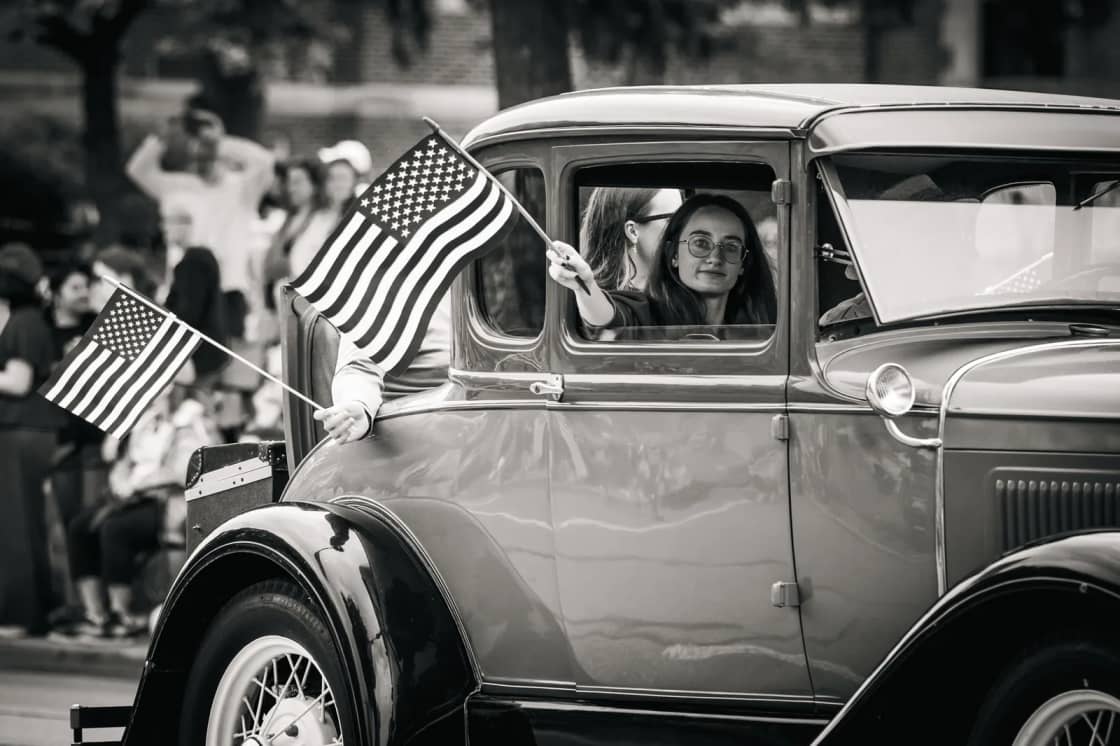
One of the largest parades in the Western United States. The route runs through downtown Provo along University Avenue, with over 20 floats, 15+ marching bands, military equipment, horsemen, and community groups. The energy is genuine — this isn't a corporate-sponsored spectacle but a community celebration with deep local roots.
The camping-out tradition: This is the part that surprises newcomers. Provo residents stake out their parade spots along the route up to 24 hours in advance, setting up chairs, blankets, tents, and canopies along University Avenue. Per city ordinance, you can claim your spot on University Avenue starting at 3:00 PM on July 3. All other portions of the route cannot be claimed until 5:00 AM on July 4. Yes, people take this seriously. Yes, the best spots go fast.
Tips: Bring sunscreen, water, hats, and snacks — you'll be in the sun for hours. Arrive early even for "claimed" spots. Side streets off University Avenue offer slightly less crowded viewing. If you have small kids, the elevated areas and curb edges offer better sightlines than flat ground positions.
Reserved bleacher seating is available for $10 per seat, typically going on sale in early June at the Utah Valley Convention and Visitors Bureau on West Center Street.
Balloon Fest
Three mornings · 6:00–8:00 AM · Free · Fox Field
This is a three-morning event, not a Fourth of July one — in 2026 the balloons flew July 2, 3 and 4, each morning from 6:00 to 8:00 AM. Launches are at Fox Field, 1100 N Freedom Blvd, the open field east of the hospital. About 25 giant balloons inflate on the ground starting around 6:00 AM, and you can walk among them as they fill — which is surprisingly magical, especially for kids. Then they launch into the sky over the valley. A separate Balloon Glow, with tethered balloons lit from the inside after dark, runs on the Friday evening from around 8:30 PM at the same field. The launches are weather-dependent (wind cancels them), so check the morning of — and note that the three-day run means one scrubbed morning is not the end of it.
Full detail: our Balloon Fest guide.
Tips: Get there by 6:00 AM if you want to see the inflation process. Parking fills fast. Bring a jacket — early July mornings at 4,500 feet are cooler than you'd expect.
Freedom Days
3-Day Festival · Downtown Area · Free/$
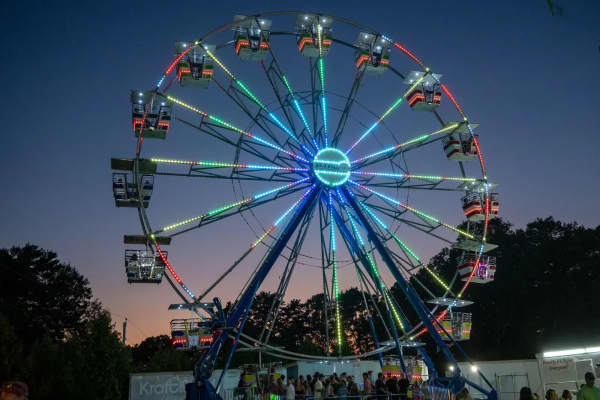
A three-day celebration with live entertainment stages, a carnival, art exhibits, handcrafted vendors, food trucks, and family activities. It's the festival-within-the-festival — more casual than Stadium of Fire, more sustained than the parade, and a great way to spend a summer evening. The carnival rides operate on a ticket system, and the food truck selection has improved significantly in recent years.
Freedom Run
July 4 · Morning · Registration Required
A Fourth of July 5K/10K run through Provo. It's a fun run — competitive runners exist, but the majority of participants are families, friend groups, and people who want to be able to say they ran on the Fourth of July. Registration typically opens in the spring. The course is flat and finishes near the parade route, so you can run the race and then transition directly to parade spectating.
Other Events Worth Knowing
The Freedom Festival runs over 25 events from May through July. Beyond the headliners, several smaller events are worth attending:
Colonial Fest — A historical demonstration event with colonial village reenactments, traditional games, storytelling, and crafts. Free and surprisingly engaging, especially for families with kids who are studying American history.
Timpanogos Bluegrassroots & Folk Festival — Live bluegrass and folk music in an outdoor setting. If you enjoy acoustic music, this is one of the hidden gems of the festival season.
Hope of America — Roughly 3,000 fifth graders from Utah County elementary schools perform patriotic songs at BYU's Marriott Center. It's earnest, enthusiastic, and moving if you have kids participating.
The Children's Parade — The festival's own parade for kids, held on a Saturday morning in late June (10:30 a.m. on June 27 in 2026). Nearly 2,500 children march down Center Street from 800 East toward the county building at 100 East, grouped by category and backed by the Provo High and Timpview High marching bands, and every marcher gets a treat at the finish. Staging runs from 9:30 to 10:30 a.m. on a first-come, first-to-march basis, the whole parade lasts about 45 minutes, and skateboards and motorized vehicles are not allowed. It is free, short and early, which makes it the easiest parade of the season for families with small children.
Military History Days — Equipment displays, veteran tributes, and historical presentations. A meaningful addition that connects the celebration to its roots in honoring military service.
Practical Tips for Freedom Festival Season
Parking
Parking during the Grand Parade and Stadium of Fire is the single biggest logistical challenge. Downtown lots fill hours before events, and street parking is restricted along the parade route. Your best options are park-and-ride shuttle lots (locations announced closer to the events), walking or biking from nearby neighborhoods, or ridesharing.
Weather
Early July in Provo means daytime temperatures of 90–100°F. The sun at this altitude is intense. Sunscreen, hats, and water are non-negotiable. Evening events (Stadium of Fire) cool down significantly — bring a light layer.
Crowds
This is the busiest week of the year in Provo. Restaurants will have longer waits, traffic will be heavier, hotels sell out well ahead (our where to stay guide maps the zones and the booking calendar), and popular spots will be crowded. If you're not interested in the festival events, plan accordingly — grocery shop before the weekend and avoid University Avenue entirely on July 4.
Dining
If you're attending events downtown, eat before or after the main parade window. The best strategy is an early breakfast at home, then lunch from food vendors at Freedom Days, and dinner at a downtown restaurant after the parade crowds thin. For restaurant options, see our Best Restaurants in Provo or Center Street Dining Guide.
Is It Worth Attending?
If you live in Provo, the Freedom Festival is part of the community identity. Even residents who aren't particularly patriotic tend to appreciate the parade, the Balloon Fest, and the general summer-celebration energy. Stadium of Fire is an impressive spectacle — the fireworks alone justify the ticket price, and the musical headliners are consistently strong.
For visitors, the Freedom Festival is one of the best times to experience Provo at its most energetic and community-oriented. Just come prepared for heat, crowds, and parking challenges, and you'll have a great time.
Watching the Fireworks Without a Ticket
Stadium of Fire sells out, and a large share of the people who watch it never buy a seat. The show is fired from inside LaVell Edwards Stadium, but the shells burst well above the rim, which means most of the display is visible from anywhere with a clear line of sight north toward campus.
The reliable free vantages fall into three groups. Elevated ground east of campus gives the best angle — the benches above Provo along the foothills look down on the stadium bowl, and the Y Mountain trailhead area fills with people well before dark. Rock Canyon Park and the streets immediately around it sit high enough to clear most of the tree line. And open ground west of campus, including the larger city parks, trades a slightly lower angle for far easier parking.
What you give up is the rest of the evening. The concert, the flyover, the drone segment and the military tribute are all inside the stadium, and the fireworks are the last fifteen minutes of a much longer production. If the fireworks are all you want, the free option is good. If you want the event, it is not a substitute.
Two cautions. Personal fireworks are restricted across most of Utah Valley and enforcement is real — check where the rules currently stand before packing anything, because the restricted areas are redrawn most years. And the hillside vantages sit in exactly the terrain the restrictions exist to protect, so a dry July makes them the first places closed.
Going With Small Children
The festival is unusually good for young families, but the four headline events are not equally suited to them.
Balloon Fest is the best of them by a distance. It is free, it is over by eight in the morning before the heat arrives, and walking among inflating balloons is the kind of thing children remember. It also has the shortest attention-span requirement of anything in the festival.
The Grand Parade works if you plan the shade. It runs for hours in full sun, and the elevated curb positions that give children sightlines are also the most exposed. Side streets off University Avenue are less crowded and easier to leave from, which matters more than a perfect view when someone needs to go home early.
Stadium of Fire is a late night. The fireworks finish well after a normal bedtime, and leaving early means leaving during the segment you paid for. Families who do it successfully tend to nap children in the afternoon and accept that the following day is a write-off.
Freedom Days is the underrated one. The carnival, vendors and stages run across three days rather than concentrating into a single evening, so you can go for ninety minutes and leave without feeling you missed the point.
How the Week Is Shaped
The festival spreads over more than two months, but the part most people mean by "Freedom Festival" compresses into the final week, and it has a consistent shape year to year even though the individual dates move.
The balloons fly on the mornings running up to and including the Fourth. The Balloon Glow lands on an evening within that stretch. Freedom Days occupies the several days before the Fourth. And the Fourth itself stacks the Freedom Run, the Grand Parade and Stadium of Fire into a single day, in that order, morning to night.
That stacking is the planning problem. Running the 5K and then holding a parade spot in July heat is a real ask, and doing both before a stadium event that ends near midnight is more than most people enjoy. Locals generally pick two of the three.
The Fourth fell on a Saturday in 2026 and falls on a Sunday in 2027, which is worth noting early: a Sunday Fourth reshapes the schedule in a market where Sunday observance is widespread, and the festival has historically moved events rather than run them against it. Treat any 2027 date you see this far out as provisional until the Freedom Festival publishes its own calendar.
Where the Dates and Prices in This Guide Come From
Everything dated in this guide reflects the most recent published schedule at the time of writing, and specific dates, ticket prices and start times change every year. We do not re-stamp them without re-checking the festival's own announcements, and where a detail has not been republished for the coming year we would rather say so than carry last year's number forward as though it were current.
If you are planning more than a few weeks out, treat the structure above as reliable and the specifics as provisional. The festival's own site and email list are the authoritative source for the current year, and they publish before the aggregators and travel roundups do — which is the practical reason to subscribe even if you have attended for years. Ticket presale access flows through that list as well, and for Stadium of Fire the presale is frequently the difference between choosing your seats and taking what is left.
Why a months-long festival is not one permit, and why the parade may need none
A celebration that runs more than two dozen events across several months, and draws a crowd in the hundreds of thousands to a single morning parade, raises an obvious administrative question: what does the state require of an event that size? The answer is more specific than most people expect, and the parade turns out to be the interesting case.
Utah regulates large temporary events through a health rule rather than a police one. Utah Admin. Code R392-400, Temporary Mass Gathering Sanitation, sets minimum standards for the sanitation, operation and maintenance of a temporary mass gathering. It is authorized under Utah Code §§ 26B-7-402 and 26B-1-202, and it is administered not by the city but by the local health officer — in this valley, the county health department.
The sixteen-day rule, which explains the festival's shape
R392-400-4(3) provides that a temporary mass gathering may not exceed 16 consecutive days unless the local health officer approves otherwise.
That single clause explains something about how a long festival is structured. A celebration running from spring into July is not, and could not be, a single permitted gathering. It is a series of discrete events, each of which either crosses the rule's threshold on its own or does not. So the correct mental model for a multi-month program is not one giant permit but a schedule of separate ones, some of which need nothing at all.
R392-400-4(4) completes the picture: the health officer may attach conditions to a permit, or grant waivers under the rule, to meet specific public health and safety concerns. Permits here are negotiated documents rather than form letters, which is why two similar-looking events in the same park can operate under visibly different arrangements.
The parade exemption
The provision most relevant to a morning parade is R392-400-4(2), and it is unusually pragmatic. The local health officer may exempt a parade from the permit requirement — but not automatically, and not silently. Two conditions attach. The operator must still submit an application as required by R392-400-6. And the health officer must determine that the availability of existing public sanitary facilities, drinking water and trash containers is sufficient to protect public health.
Read carefully, that is a rule about geography rather than crowd size. A parade moves along a street lined with businesses, public restrooms and existing bins; it does not concentrate a crowd on a field with nothing on it for eight hours. The exemption exists because the built environment is already doing the work the rule would otherwise require an operator to duplicate.
Two things follow for anyone standing on a parade route.
The exemption is discretionary and can be withdrawn. It is written as "may exempt," conditioned on a live determination about existing facilities. A route change, a construction closure that takes public restrooms offline, or a substantially larger expected crowd are all the sort of facts that bear on that determination.
An exemption from the permit is not an exemption from the application. The operator still files, and the site information at R392-400-6(2) — including restroom locations, water stations and waste containers — is exactly what the health officer needs in order to decide whether the exemption is available.
What this means practically for festival week
The rule is a reasonable predictor of what you will find on the ground, in three ways.
A street parade will lean on public and business facilities. If the health officer granted the exemption, the determination was that those facilities were adequate. Plan around them rather than around portable units, and expect queues at the obvious ones.
A stationary event in a park is a different regime entirely. Once a crowd sits in one place for hours, the operator is providing the infrastructure, and the numbers required are set by the rule rather than by judgment — covered for the water side in our Colonial Heritage Festival guide and for restrooms in the Payson Scottish Festival guide.
Food at any of it is a separate permit track. R392-400-13 simply requires the operator and vendors to comply with the food rules and to ensure vendors hold their own permits; the substance lives in our guide to food permits and inspections in Utah County.
Event locations, routes and schedules move year to year — confirm them with the festival directly rather than from any guide.
Related Guides
-
Things to Do in Bountiful and South Davis County, Utah, From Provo
-
Payson Scottish Festival & Highland Games: The Complete Guide
-
Running Races in Utah Valley: The Annual Calendar Last updated: April 2026. Event dates, performers, and pricing are subject to change. Check freedomfestival.org for the most current information.
Frequently Asked Questions
What is the Freedom Festival in Provo?
When is the Provo parade?
What is Stadium of Fire?
Can you watch the Stadium of Fire fireworks for free?
Which Freedom Festival events are best for young children?
How far in advance do people claim parade spots in Provo?
How long does the Freedom Festival last?
Are personal fireworks allowed in Provo during the festival?
Sources
The facts in this guide were checked against these sources. Hours, fees and rules change, so confirm anything time-sensitive with the source before you go. How we make Provo.com.
- Altabank Stadium of Fire, America's Freedom Festival. Checked October 12, 2026.
- America's Freedom Festival: Balloon Fest, America's Freedom Festival. Checked October 12, 2026.
- America's Freedom Festival: Grand Parade, America's Freedom Festival. Checked October 12, 2026.