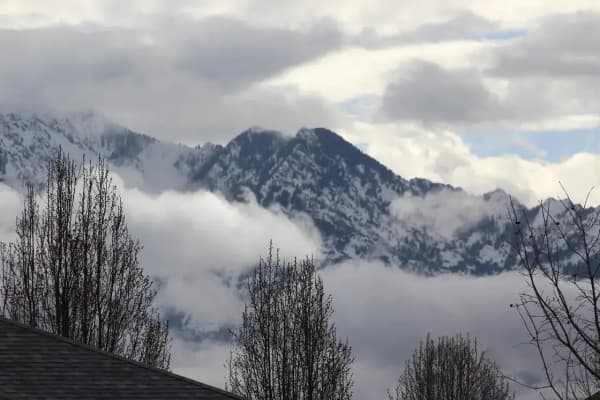

Summer in Provo is when the city shows its best cards. The mountains are green and accessible, the canyon trails are clear, Utah Lake warms up for water sports, and the community calendar fills with festivals, markets, and outdoor events. Daylight stretches past 9 PM, the restaurant patios open up, and the entire valley operates at a different speed than the rest of the year.
If you're new to Provo or just looking for ideas beyond the usual hiking loop, this guide covers the best summer activities across the valley.
Outdoor Adventures
Canyon Hiking
Summer opens up Provo's full trail inventory. The Wasatch trails are snow-free by June, and the options range from easy riverside walks to all-day summit pushes. The essentials: Y Mountain for sunrise views, Rock Canyon for a quick after-work hike, Bridal Veil Falls for an easy family walk, and Mount Timpanogos for the ultimate full-day challenge. See our Complete Hiking Guide for all 15 trails.
Summer hiking tip: Start early. By mid-morning, exposed trails (Y Mountain, Kyhv Peak) become uncomfortably hot. Aim to be on the trail by 7 AM and down before noon.
Water Sports on Utah Lake
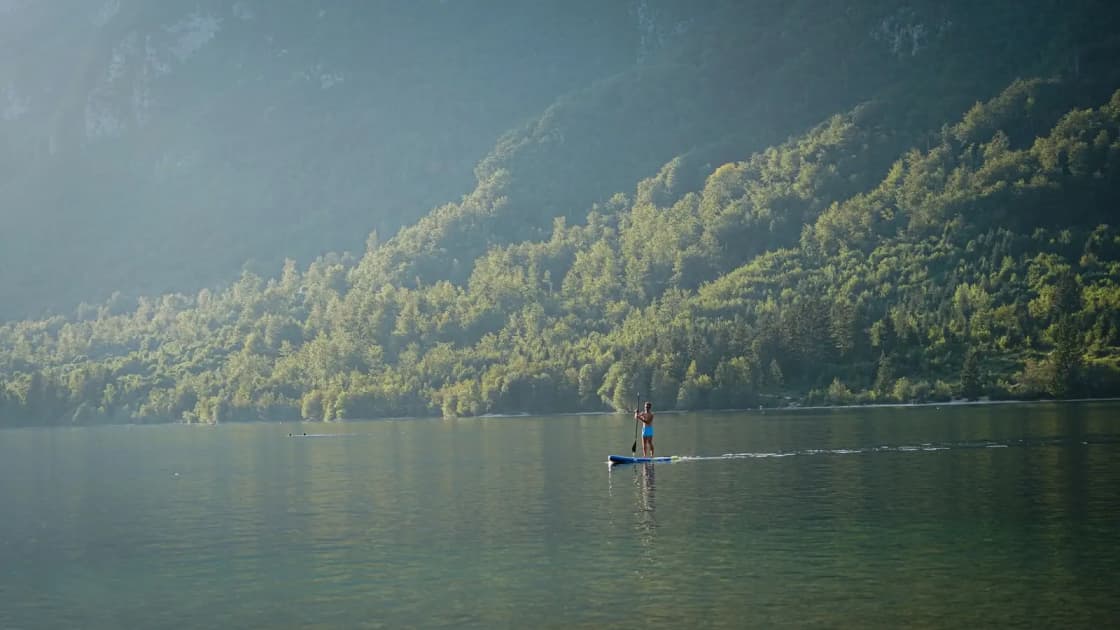
Utah Lake comes alive in summer — boating, paddle boarding, kayaking, jet skiing, and fishing. The state park beach is the easiest access point, and morning paddle sessions (before the wind picks up) offer calm water with mountain reflections. See our Utah Lake guide for details on access points and water quality advisories.
Provo River Activities
The Provo River Parkway is the valley's best multi-use trail — 15 miles of paved path from Utah Lake through the city and into Provo Canyon. In summer, it's ideal for cycling, running, walking, and riverside picnics. Tube the Provo River through the canyon for a lazy afternoon float (outfitters offer rentals and shuttle service). See our Parkway guide.
Sundance Summer Activities
Sundance Mountain Resort transforms in summer into an adventure playground — scenic lift rides, ziplining through the canyon, mountain biking trails, and nature walks through alpine meadows. The restaurants and bars stay open year-round, and the mountain setting is spectacular in every season. See our Sundance guide.
Alpine Loop Drive
The Alpine Loop scenic road opens in late May and offers one of the most beautiful mountain drives in Utah. Stop at Cascade Springs, hike to Stewart Falls, or just cruise through the aspen and pine forests with the windows down. See our Alpine Loop guide.
Festivals & Events
Provo Farmers Market
Saturdays, June–October · Center Street
The weekly farmers market on Center Street is a summer institution. Local produce, baked goods, honey, artisan crafts, and food vendors set up every Saturday morning. It's social, it's delicious, and it's one of the best ways to spend a Saturday morning in Provo. Note that it outlasts summer by a month — the market runs into October, and those final weeks turn over to squash, pumpkins, apples and root vegetables. See our guide to fall in Provo for the rest of the autumn calendar.
Freedom Festival & Stadium of Fire
Late June–July 4th
Provo's Independence Day celebration is one of the largest in the country. The Freedom Festival spans multiple days with parades, concerts, a hot air balloon festival, and the flagship Stadium of Fire event at LaVell Edwards Stadium — a fireworks show and concert that draws tens of thousands. Past performers have included major national acts. Book tickets early.
Rooftop Concert Series
Summer evenings · Downtown Provo
Free outdoor concerts on summer evenings downtown. The Rooftop series features a mix of local and regional artists performing against the backdrop of the Wasatch Mountains. Bring a blanket, grab food from a nearby restaurant, and enjoy live music under the sky. For the wider picture — Sundance's mountainside amphitheater and Orem's SCERA Shell have both set their summer lineups — see our roundup of Utah Valley's outdoor concert season.
Food Truck Roundups
Various dates · Downtown Provo
Regular gatherings of food trucks near the Startup Building downtown. Great variety, reasonable prices, and a fun social atmosphere. Follow local food truck accounts on social media for current schedules.
Family Activities
Splash Summit Waterpark — Provo's water park with slides, a lazy river, splash pads, and pools. Open June through August. Excellent for families with kids of all ages. Go early to avoid the biggest crowds.
Provo River Parkway — The flat, paved trail is stroller-friendly and connects to multiple parks with playgrounds along the route. Bring bikes or scooters for the kids.
BYU Museums — Free admission year-round. The Bean Life Science Museum and Museum of Art are both air-conditioned and engaging for families. A great option on days when it's too hot to hike.
Utah Lake beach — The state park beach offers sandy shoreline and calm, warm water for wading and swimming. Bring shade — there's limited natural cover.
Provo Parks — Bicentennial Park, Canyon Road Park, and numerous neighborhood parks offer playgrounds, open space, and picnic areas throughout the city. See our Best Parks guide for details.
Outdoor Dining & Evening Activities
Summer opens up Provo's outdoor dining scene. Center Street restaurants put out patio tables, and the evening light on the mountains makes any dinner feel special.
Best patios: Communal's sidewalk tables, Guru's outdoor seating on Center Street, Station 22's patio, and — worth the drive up the canyon — the Foundry Grill at Sundance.
Center Street walks: On warm evenings, Center Street fills with people walking, eating ice cream from Rockwell's, and browsing the galleries. First Friday art walks (monthly, year-round but best in summer) add gallery openings and street art to the mix.
Movies in the park: Provo City screens free outdoor movies at Rock Canyon Park on select summer nights — pre-movie activities start around 8 p.m. and the film rolls at dusk. Several other venues around the valley run their own series, some free and some a few dollars. See our guide to outdoor movie nights in Utah Valley.
Sundance Owl Bar: Drive up the canyon on a summer evening for drinks and appetizers at Sundance's Owl Bar. The mountain air and setting are worth the short drive.
Day Trips
Summer is prime time for day trips from Provo. Salt Lake City (45 minutes, and free on FrontRunner with a BYU or UVU student ID), Park City (90 minutes), Deer Creek Reservoir (30 minutes), and even Moab (3.5 hours) are all accessible for long summer days. See our Day Trips guide for the full rundown.
Disc Golf
The cheapest outdoor sport in the valley, and close to invisible until someone points out the baskets. Every municipal course in Provo and Orem is free to play, they range from a forty-minute five-hole loop to a hard canyon eighteen, and the only equipment a beginner needs is a putter and a midrange. Play early in July and August — the canyon courses have real climbing in them. Disc golf in Utah Valley has the full course-by-course rundown.
Where to Go When Everyone Else Is Also Out
Utah Valley has a population that doubles its outdoor recreation on summer Saturdays, and the popular places absorb it badly. Three habits solve most of it.
Treat trailhead parking as the binding constraint, not the trail. The lots at the best-known canyon trailheads fill long before the trails feel busy, and a full lot in a canyon usually means a long roadside walk or a wasted drive. On a July or August Saturday, arriving after about eight in the morning at the most popular access points is arriving late. Weekday evenings are the underrated alternative: daylight stretches past nine through midsummer, and a trail that is shoulder-to-shoulder on Saturday is often close to empty at seven on a Tuesday.
Know which places charge and which do not. Some canyon access in the region sits inside fee areas, and some campgrounds and day-use sites are reservation-only through a federal booking system rather than first-come. Turning up cash-free at a fee station, or expecting to claim a campsite on arrival in July, are the two most common ways a plan fails. Check before you drive, because cell coverage in the canyons is unreliable exactly where you would want to look it up.
Trade fame for five minutes of driving. The valley's crowding is concentrated on a short list of famous destinations. The less-photographed canyons, the southern end of the county and the reservoirs beyond the nearest one are consistently emptier for a marginal amount of extra drive time. Our day trips guide and hiking guide both work through the alternatives in detail.
The Summer Rhythm, Month by Month
"Summer" covers four months here and they are not interchangeable. What is open, what is crowded, what is still under snow and what the water feels like all shift on a predictable curve, and planning against that curve is the difference between a good Saturday and a wasted drive.
June is the shoulder, and it catches people out. The valley is warm and green, but elevation is still catching up: high trails around Timpanogos and the upper Alpine Loop can hold snow and mud well into the month, and the loop itself opens on the season and the snowpack rather than on a date. Rivers and creeks run high and cold with runoff — the same water that looks inviting in a photograph is moving faster and colder than it appears, and early summer is when that gets underestimated. Reservoirs are still cold for swimming. What June is best for is low-elevation hiking, the parkway, waterfalls at their fullest, and going anywhere popular before the crowds arrive.
July is peak everything. Peak heat, peak crowds, peak daylight. The first half of the month is dominated by Independence Day and Pioneer Day, which between them reshape traffic, parking and hotel pricing across the whole valley — worth planning around whether or not you are attending anything. Water is finally warm. Trailhead parking at the popular canyons fills early on Saturdays, and "early" means early, not nine o'clock. This is the month when the go-up-or-go-early rule stops being advice and starts being the only way to enjoy an outdoor day.
August is hotter and quieter, then abruptly not. The first two or three weeks are often the hottest stretch of the year and the calmest, because families have exhausted their summer plans and students have not returned. Reservoirs are at their warmest and most pleasant. Then BYU and UVU come back within days of each other in the second half of the month, and the city's population, traffic and restaurant waits change overnight. If you want Provo at its emptiest, it is early August. If you are moving here, avoid that same window for anything requiring a truck.
September is the best month and most people miss it. Days settle into the seventies and eighties, nights cool off properly, the water is still warm enough for a fortnight or so, the light gets noticeably better, and the crowds have gone back to school. The high country becomes comfortable rather than punishing. Almost everything in this guide is more pleasant in September than in July, and the only thing you give up is a bit of daylight.
Two constants across all four months. Afternoon thunderstorms build over the mountains in mid-to-late summer and can arrive fast; a clear morning is not a promise. And the canyons run five to ten degrees cooler than the valley floor throughout, which is the most reliable single fact in this entire section.
Beating the Heat
Provo summers are hot — highs regularly reach the low-to-mid 90s in July and August. A few strategies for staying comfortable:
Go up. The canyon is 5–10 degrees cooler than the valley floor. A mid-afternoon drive to Sundance or Bridal Veil Falls offers instant relief.
Go early. Morning is the best time for any outdoor activity. Trails, the lake, and the parkway are all more pleasant before 10 AM.
Go to water. Utah Lake, Deer Creek Reservoir, and the Provo River all offer cooling options. Tubing the river is the most fun way to cool down.
Stay inside midday. Museums, libraries, movie theaters, and air-conditioned restaurants are all legitimate summer strategies. The Provo City Library is a beautiful, cool retreat with stunning views from the rooftop garden.
The forecast tool that tells you whether to go
A temperature forecast tells you how hot it will be. It does not tell you whether that heat is dangerous, and those are different questions — which is the whole reason the National Weather Service built HeatRisk.
What it is. HeatRisk is a color-and-number index built from high-resolution NWS forecast data and CDC heat-health data. It produces a single value for each 24-hour period across the next seven days at your location, on a five-step scale: 0 green (little to none), 1 yellow (minor), 2 orange (moderate), 3 red (major), 4 magenta (extreme). The CDC hosts a public dashboard where you enter a ZIP code and get the local forecast in plain language.
Why it is not just a thermometer. HeatRisk weighs three things a temperature alone cannot. First, how unusual the heat is for the date — red is generally reached when a day falls within the hottest 5% for that location on that date, so an early-June heat wave scores higher than the same temperature in late July, because nobody has acclimated yet. Second, duration, including overnight. A hot day followed by a cool night lets your body recover; a hot day followed by a warm night compounds into the next one, and that is what pushes a forecast toward the top of the scale. Third, whether those temperatures cross CDC heat-health thresholds for actual medical impact. Notably, humidity does not enter the calculation directly — the index leans on temperature records, which exist for far more stations and far longer periods.
Using it in Utah Valley. The 90-degree afternoons above are ordinary here and generally sit low on the scale. What should change your plans is a red or magenta day, or any stretch where the overnight lows stay high for several days running. The practical translation for this valley: at 0 or 1, plan normally. At 2, move the hike to dawn and keep the afternoon indoors or on water. At 3, treat strenuous midday activity — Y Mountain, Rock Canyon, a long parkway ride — as off the table regardless of how fit you are, and check on anyone elderly or without air conditioning. At 4, the recommendation is to reschedule outright.
Two things HeatRisk does not cover. It supplements rather than replaces official NWS heat watches, warnings and advisories, so read both. And it says nothing about ultraviolet exposure, which at this elevation is a separate and year-round problem — our guide to Provo's elevation covers why the sun here burns faster than the temperature suggests.
Water, in one place
For the full set of pools, splash pads and open water across the county, see swimming in Utah Valley. For the canyon version, waterfalls in Utah Valley sorts them by effort.
Related Guides
-
Sundance in Summer: Lift Rides, the ZipTour and Full-Moon Nights
-
Advertisement
-
Utah Valley Hike Finder — filter every trail by difficulty, length, season, dogs and fees
-
Lehi Round-Up: The Rodeo Week That Predates Silicon Slopes Last updated: April 2026. Event dates and schedules change annually — check local listings for current information.
Frequently Asked Questions
What is there to do in Provo in the summer?
Is Provo hot in the summer?
What outdoor activities are there in Provo?
How do I know if it's too hot to hike near Provo?
Why does an early-summer heat wave feel worse than the same temperature in August?
What is there to do in Provo when it's too hot to be outside?
When is the best time of day for outdoor activities in Provo in summer?
Is Utah Lake safe for swimming and paddling in summer?
Sources
The facts in this guide were checked against these sources. Hours, fees and rules change, so confirm anything time-sensitive with the source before you go. How we make Provo.com.
- National Weather Service, Weather Prediction Center: NWS HeatRisk, National Weather Service, Weather Prediction Center. Checked October 12, 2026.