
Drive west on Center Street past the ballparks, hang toward the airport, and Provo's skyline does something unexpected: it turns into grass. A lot of grass. Epic Sports Park — 100 acres, 15 competition-sized fields, 1,324 parking stalls — is the largest thing Provo has built for recreation in a generation, and it's easy to live in this valley and still not quite understand what it is, who it's for, or how you're allowed to use it.
This guide is the answer. What Epic is (and honestly, what it isn't), how the free drop-in field works, how rentals and tournaments run, what the 2026 calendar looks like, and why a park most residents have never played on is quietly one of the biggest economic engines in the city.
What Epic Sports Park is
Epic opened with a ribbon cutting on September 21, 2024, billed as the largest multi-purpose sports facility in Utah once complete. Phase 1 delivered 15 natural grass, sand-based fields — the sand base matters; it drains fast and holds up under tournament volume — laid out across the western 100 acres with roundabouts, clear field numbering, and parking distributed around the site so families aren't hauling coolers half a mile.
At full build-out, the plan is 20-plus fields plus a 45-court pickleball complex, which would make Epic the only facility of its kind in the state. Phase 2 — the remaining fields on the southwest corner and the pickleball courts — is in progress, with the city assembling funding alongside federal and Utah County partners.
The city built it with two explicit goals: solve a local field shortage, and generate economic activity. Before Epic, more than 335 local teams were competing for time on roughly 11 fields citywide. That's the first goal. The second goal is the interesting one, and we'll get to the money below.
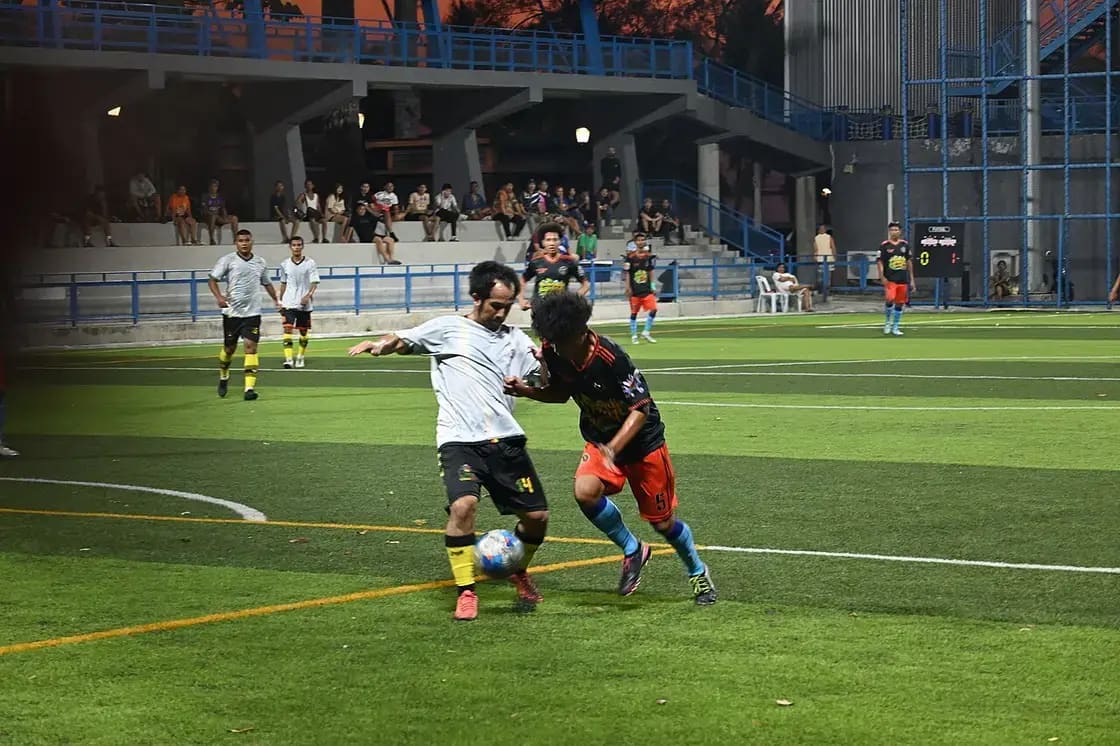
The fields host: soccer, lacrosse, football, rugby, ultimate frisbee, and just about any other field sport. What they don't have: lights. Everything at Epic runs during daylight hours, generally from the first Monday in April through the third Saturday in October, weather depending.
The honest part: it's a regional complex, not a neighborhood park
This is the piece of the Epic story that generated real friction, and it's worth stating plainly because it explains how the park works.
When Epic opened, some west-side residents expected a neighborhood park — the kind you walk to with a soccer ball. What they got was a fenced, gated, reservation-based regional facility, and the disconnect produced genuine frustration at neighborhood meetings. The city's position is that Epic was always a different category in the parks master plan: its primary purpose is scheduled, organized sports, and the fences and gates protect a multimillion-dollar turf asset.
What's open to everyone during regular park hours:
- The perimeter pathways — a legitimately nice flat walking loop
- The playgrounds — two of them
- The picnic areas and restrooms — two permanent restroom buildings, each with men's, women's, and family facilities
And in 2026 the city added the piece residents had asked for: a free drop-in field.
How the free drop-in field works
Starting this season, one field at a time is designated for free public drop-in play, April through mid-October, during daytime hours. We covered the announcement when the program launched; here's the working version:
- Look for the A-frame signs reading "Open for Drop-In Play." The designated field rotates around the complex to spread out wear, so if you can't find it, ask a park employee.
- No reservation, no fee. Pickup soccer, frisbee, catch, kids burning energy — that's the intended use.
- Not allowed on the drop-in field: team practices, organized competitions, structured training sessions, scheduled scrimmages. Those go through the reservation system. On-site staff and cameras do monitor use, and groups that treat the free field as free practice space can lose field privileges.
It's a fair compromise: one field of public grass on any given day, and 14 protected for the leagues and tournaments that pay the maintenance bills.
Renting a field (leagues, teams, and that one big family reunion)
All field use outside the drop-in program goes through reservations:
- Start with the online Epic Field Rental Request form at provo.gov. Submitting it is a request, not a booking — staff follow up with availability.
- Expect an hourly rate that depends on the day and the type of use; ask the city for the current schedule. Rates are set to cover the (substantial) cost of maintaining tournament-grade turf.
- Insurance is required for every reservation, and approved rentals come with a contract to sign.
- Field equipment — temporary goals and similar — is reserved through the same rental process.
Questions go to Provo Parks and Recreation. For weather-related event status on game day, contact your event coordinator or call (801) 852-6629. Epic runs a formal lightning policy that clears the fields when storms come close, so do not plan on sheltering under the pavilions.
House rules worth knowing before you go: no dogs inside the enclosed turf areas, no smoking or vaping anywhere on site, no overnight parking, and outside food and non-alcoholic drinks are welcome — pack the cooler, bring your own sideline chairs, and haul out your trash.
The 2026 tournament calendar
The tournament slate is where Epic stops being a park and becomes infrastructure. The 2026 headliner:
- July 13–23 — USYS Boys National Championships — the marquee booking: US Youth Soccer's national title event, running a week and a half (our Wire preview covers what it means for hotels, traffic, and the drop-in field)
That July event is the one city leaders were hinting at in 2025 when they said Provo was negotiating for "one of the largest and most sought-after soccer tournaments in the country." If you live anywhere near the west side in mid-July — or you're trying to book a hotel room, see our where-to-stay guide — that's the week the valley fills up.
Local play fills the calendar between the big bookings: in Epic's first full summer, more than 300 local teams logged nearly 6,000 hours of field time, which is the quieter half of the park's mission working as designed.
The money: why the city keeps saying "epic"
Provo built Epic as a sports-tourism play, and the early numbers are the reason the city talks about it the way it does:
- Fall 2024 (opening season): two regional tournaments generated an estimated $3.5 million in local economic impact, per Utah Valley Convention and Visitors Bureau data.
- 2025 (first full season): five national tournaments and eight local events through August produced an estimated $12.5 million in local impact and roughly 15,000 hotel room nights in the valley.
- 2026 (projected): with the national championship booking, the city projected the number would climb to $20.5 million and 38,000-plus hotel room nights.
- At full build-out, city materials have cited a target of more than $40 million annually in local spending.
Those are the city's and CVB's estimates, and economic-impact figures always deserve a grain of salt — but the hotel-room-night counts are the concrete tell. Traveling teams book blocks, eat out three meals a day, and fill the gaps between games at the Riverwoods, University Place, and everywhere on our family activities list. A San Diego mom at one 2025 tournament reportedly told staff her kids asked if the family could move here. The mountains do half the sales pitch.
What's coming: Phase 2 and the pickleball complex
Two things remain on the master plan:
Six more fields on the southwest corner, taking the total to 21.
The pickleball complex — planned at 45 courts at full build-out, which would instantly be one of the largest concentrations of courts in Utah and a tournament venue in its own right. As of mid-2026 the city says the courts are still being designed and constructed, and operating plans aren't final; the stated goal is a mix of tournaments, reservations, and drop-in play. No opening date has been announced, so treat any date you hear secondhand as a rumor. In the meantime, every dedicated court you can play on today is mapped in our Utah Valley pickleball guide.
The city has been candid that Phase 2 depends on assembling the funding — the park so far has been a partnership of federal, county, and city money — so the build-out is a "when," not a date.
Planning your visit
Finding it: navigate by Google Maps; it's on a new street. Getting there: It's west Provo, near the airport. From I-15, it's minutes off the freeway, which is exactly why tournament organizers like it. Season: Generally the first Monday in April through the third Saturday in October, daylight hours only. Cost: Free for pathways, playgrounds, picnic areas, and the daily drop-in field. Reservations for everything else. Watching: Spectating at tournaments is one of the valley's better free shows — bring sideline chairs (there are no grandstands), sunscreen, and water. Cell coverage across the complex is strong. Accessibility: All fields are ADA accessible.
Make a day of it: the Provo River Delta and Delta Gateway Park are on the same side of town for a post-game walk, and the Provo River Parkway connects the whole west side for anyone on wheels.
The bottom line
Epic Sports Park is two things at once: the valley's long-overdue answer to a local field shortage, and a deliberate bet that grass, mountains, and freeway access can pull tens of millions of tourist dollars into Provo every year. Two seasons in, both halves are working — and the park isn't even finished. Learn the drop-in system, circle the tournament weekends on your calendar (either to watch or to avoid the traffic), and check back when those 45 pickleball courts finally open. That'll be a story of its own.
More ways to play: the best parks in Provo, pickleball courts across Utah Valley, and where to watch sports when you'd rather spectate.
Related Guides
- The Provo Recreation Center: What's Inside, What It Costs, and What Nobody Tells You First
- Youth Soccer in Utah Valley: Rec, Club, Academy
- Youth Baseball and Softball in Utah Valley
- Activities for Large Groups in Utah Valley
Latest: Provo is weighing a hotel deal next to Epic Sports Park (October 2026).
Frequently Asked Questions
Where is Epic Sports Park and how do I get there?
Can anyone just show up and play at Epic Sports Park?
How many fields does Epic Sports Park have?
How much does it cost to rent a field at Epic Sports Park?
When are the pickleball courts at Epic Sports Park opening?
Sources
The facts in this guide were checked against these sources. Hours, fees and rules change, so confirm anything time-sensitive with the source before you go. How we make Provo.com.
- FAQs • Epic Sports Park, Provo City Parks and Recreation. Checked October 12, 2026.
- US Youth Soccer Boys National Championships, Utah Sports Commission. Checked October 12, 2026.
- 'A place to play': Provo seeing economic impact, community benefits from Epic Sports Park, Daily Herald (heraldextra.com). Checked October 12, 2026.
- Provo City exploring opening two fields at Epic Sports Park for community use, Daily Herald (heraldextra.com). Checked October 12, 2026.
- Massive sports park hopes to be 'epic' for Provo recreation, economy, FOX 13 News Utah. Checked October 12, 2026.