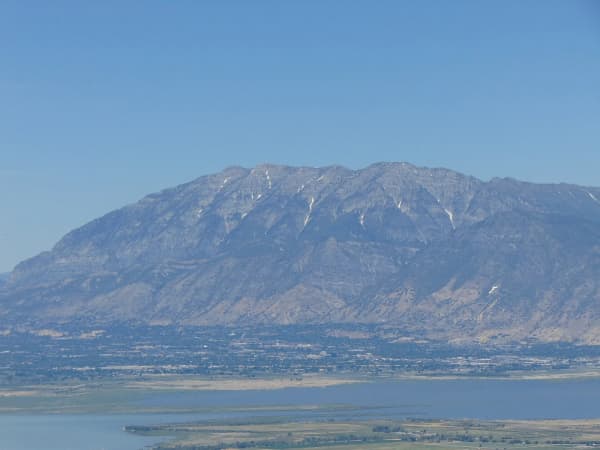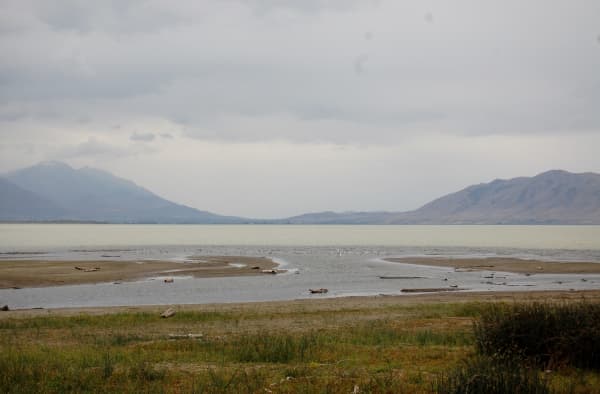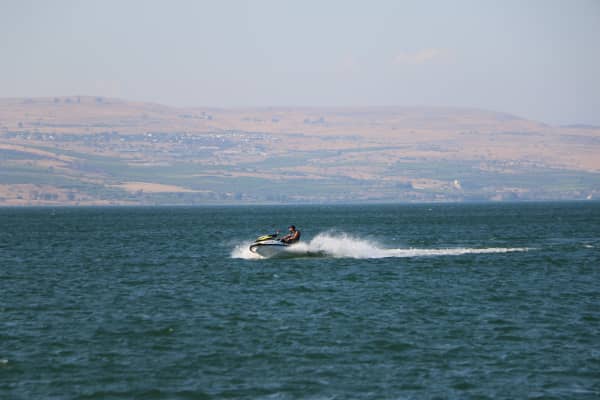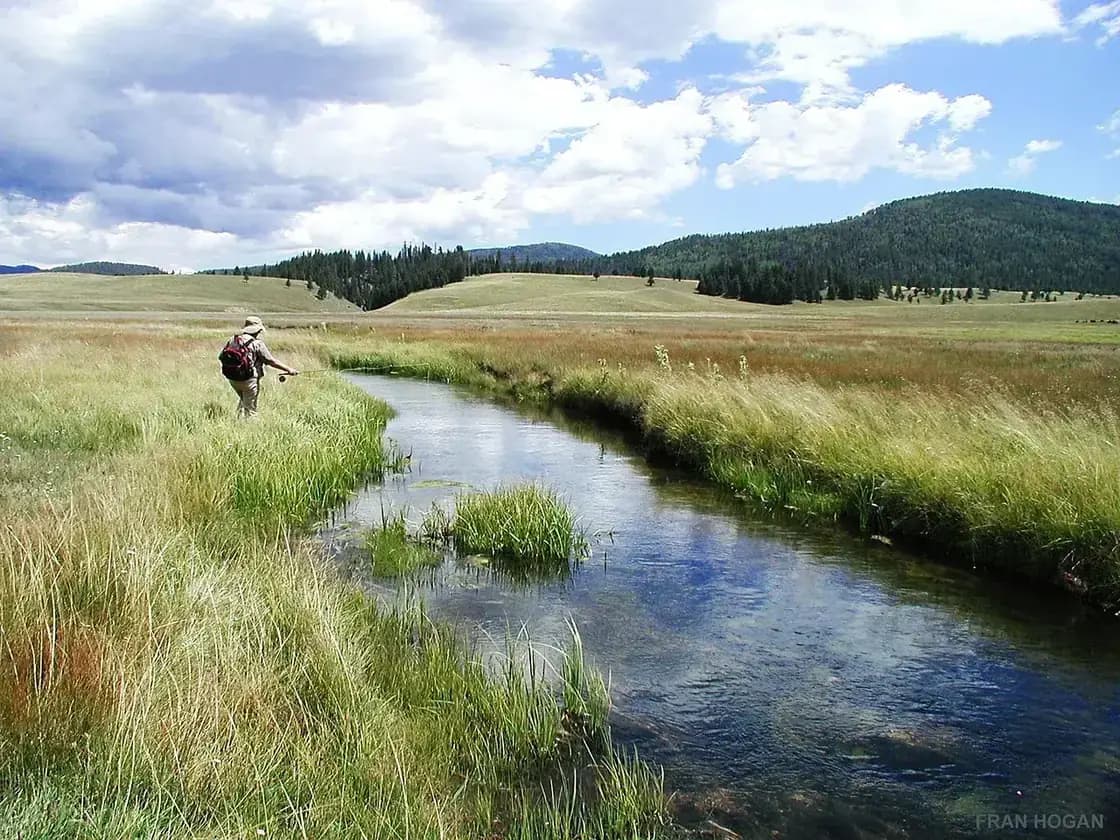

Provo sits inside one of the best freshwater fishing neighborhoods in the Intermountain West. The Provo River is a blue-ribbon trout fishery with a national reputation, and within about an hour of downtown you can add a warm-water lake, two mountain reservoirs and a high-country tailwater to the list.
What almost no local fishing guide tells you is the thing you most need to know before you step into moving water in this state: where you are legally allowed to stand. That comes first here, because in Utah it is not the same question as where you are allowed to fish, and the case that settled it was argued over the Provo River.
First, the rule that decides where you can stand
Utah separates two things most anglers assume travel together: ownership of the water and ownership of the ground under it. The water is public. The streambed frequently is not.
The framework is the Public Waters Access Act of 2010 (commonly still called by its bill number, H.B. 141), codified at Utah Code §§ 73-29-101 to 73-29-208. In broad terms it sorts rivers into two classes. On a navigable river — one with a documented history of commercial use at statehood — the public may wade up to the high-water mark. On a non-navigable river crossing private land, the public may float through, and may incidentally touch the bed where safe passage requires it, but may not wade or stand on the bed to fish without the landowner's permission.
Utah's navigability test is narrow, and very few trout streams clear it. The working assumption for an angler here is that an unsigned, unmapped stretch is private bed unless you have a reason to believe otherwise.
And the litigation that settled this was about the Provo. The Utah Stream Access Coalition sued over the right of its members to wade in the Provo River where it crosses private ranch land in the upper drainage. In Utah Stream Access Coalition v. VR Acquisitions (2023), the Utah Supreme Court held that there is no constitutional protection for a public right to touch privately owned streambeds — leaving the 2010 statute standing. The earlier rule anglers still repeat from memory, that you may touch the bed of any public water, came from Conatser v. Johnson (2008) and was narrowed by the statute two years later.
The practical version, which is what keeps you out of trouble:
- Enter from public ground. A public road crossing, a bridge, a state park, a Forest Service parcel or a signed fishing easement.
- Wade only where you know the bed is public or an easement exists. Starting legally does not make the next quarter mile legal.
- Floating through is a different right from standing to fish. You can hold the first without holding the second.
- When a stretch is unmarked, treat it as private. Local fly shops know which sections are open, and that is the cheapest question you will ask all season.
This is materially stricter than what anglers arriving from Montana or Colorado are used to, and it is the single most common way a visiting fly fisher gets into a conversation they did not want on the Provo.
The Provo River
The river runs from the Uinta Mountains through the Heber Valley, Deer Creek Reservoir and Provo Canyon before crossing the city and emptying into Utah Lake. It fishes as three different rivers.
Middle Provo River
Access: Heber Valley, between Jordanelle Dam and Deer Creek Reservoir · Species: Brown trout, rainbow trout · Regulations: Special rules apply — read the current guidebook for the exact stretch
This is the section that earns the national reputation. The Middle Provo is a designated blue-ribbon fishery and a tailwater, running cold and steady out of the bottom of Jordanelle Dam, which is precisely what a trout fishery wants and precisely what a freestone stream cannot offer in August. Big brown trout are a real possibility. The water is clear and wadeable, the hatches are reliable, and the backdrop is open Heber Valley ranchland with Timpanogos on the skyline.
The access point that matters: the river restoration through this valley rebuilt much of the channel and came with dedicated public access — which is why the Middle Provo is both the busiest trout water in the state and the stretch where the standing question is largely answered for you. On a good hatch you will share it. It will still fish.
Lower Provo River
Access: Below Deer Creek Dam, through Provo Canyon and the city to Utah Lake · Species: Brown trout, rainbow trout, mountain whitefish · Regulations: Vary by section; the canyon stretch carries tackle restrictions
Two rivers in one. The canyon water between Deer Creek Dam and the Olmsted Diversion is cold, technical tailwater with artificial-fly-and-lure rules in force and Provo Canyon's walls for scenery. Below Olmsted the river settles as it crosses the city, the rules relax, and the Provo River Parkway runs alongside much of it.
That last detail is the reason this is the most underrated water on the list. The Lower Provo through town is the only good trout river most Provo residents can reach on a bicycle, which turns fishing from a day trip into an hour before work. It is not the Middle Provo. It does not need to be.
Upper Provo River
Access: Above Jordanelle Reservoir, toward Kamas and the Uintas · Species: Brown trout, cutthroat trout · Regulations: Vary; ownership varies more
Smaller fish, thinner crowds, better scenery — and the section where the access rules above stop being abstract. Substantial stretches of the upper drainage cross private land, including the ranch property at the center of the 2023 Supreme Court case. Public water flows through it; the bed under much of it does not belong to you.
Fish the Uinta headwaters on Forest Service ground, use the marked public access below Kamas, and do not improvise a route down to the water across an unposted meadow. This is the one section of the Provo where "it looked open" is an expensive sentence.
Utah Lake
Access: Utah Lake State Park and multiple shore points around the lake · Species: White bass, channel catfish, walleye, largemouth bass, common carp, June sucker (protected) · Regulations: Standard statewide rules, plus the protected-species rule below
Utah Lake is a warm-water fishery and a completely different sport from the cold-water river above it — roughly 97,000 acres of shallow, turbid water, big enough that wind decides your day more often than fish do.
The signature event is the white bass run. From late May into June the bass push into the shallows and creek inlets, and the fishing turns from patient to frantic. It is the most accessible good fishing in the county for someone without a boat.
Two things about this lake changed recently and most guides have not caught up:
The carp are now considered safe to eat. Utah Lake carried a consumption advisory for years tied to legacy contamination in the lake's sediments, and carp no longer appear on the Department of Environmental Quality's current advisory list for the lake. Channel catfish still do, for PCBs: limit servings, and the most sensitive groups should not eat them. Check DEQ's fish advisory page for the current numbers. Given that carp have at times made up the overwhelming majority of the lake's fish biomass, this converts a nuisance fish into a food fish — and carp are taken seriously as table fare across most of the world.
The June sucker is no longer endangered — it is threatened. The fish was listed as endangered in 1986 and downlisted to threatened on February 3, 2021, one of very few fish ever to make that move. It is still a protected species: if you catch one, it goes back in the water immediately and without a photo session on dry gravel. Our Utah Lake guide covers the recovery story in full.
One caution the fishing listings skip: Utah Lake issues seasonal harmful algal bloom advisories, and those advisories are about contact with the water, not about the presence of fish. Check the current status before wading a shoreline or launching, particularly in late summer.
Deer Creek Reservoir
Distance from Provo: about 25 minutes up Provo Canyon · Species: Rainbow trout, brown trout, smallmouth bass, walleye, yellow perch · Regulations: Standard statewide rules
A mountain reservoir in the Heber Valley with good trout fishing from both shore and boat, regular stocking, a brown trout population that includes large fish, and smallmouth fishing that has improved markedly. The state park has ramps, restrooms and picnic areas.
Best approach: trolling is the most productive method for trout; shore fishing near the dam and in several coves produces consistently. The local knowledge is the wind — Deer Creek sits in a gap that funnels afternoon wind hard enough to end a float-tube day, which is why the boats you see are out early.
Strawberry Reservoir
Distance from Provo: the longest drive on this list — up Provo Canyon to Heber, then southeast up Daniels Canyon on US-40 · Species: Rainbow trout, cutthroat trout, kokanee salmon · Regulations: Special rules, including slot limits
One of Utah's premier cold-water fisheries, sitting high in the mountains, which is what keeps the water cold and the fish in condition. Twenty-inch rainbows and cutthroat are caught regularly and the kokanee add a second season.
Budget closer to an hour each way than the three-quarters of an hour this page used to quote — the route is not a straight shot over a plateau, it is two canyons and a summit, and Daniels can hold weather when Provo is clear.
The regulation that catches people out is statewide and dated: anglers may not possess kokanee salmon at any water in Utah from September 10 through November 30, protecting the fish through the spawning run. Kokanee also count toward your total trout limit rather than sitting in a category of their own. If you are planning a fall kokanee trip to Strawberry, the closure is the first thing to check, not the last — it covers the exact weeks the spawning fish are most visible and most tempting.
Strawberry also runs slot limits and tributary restrictions that differ from the statewide defaults. This is a water where reading the current guidebook entry is not a formality.
Licenses, and the rules people get wrong
Who needs one: under Utah Admin. Code R657-13-3, a person 12 years of age or older must hold a fishing license before fishing. Licenses are sold through the Division of Wildlife Resources, online and through license agents and division offices.
The four rules that surprise people:
- Children under 12 fish without a license — and may take a full daily and possession limit. They are not fishing on your limit. For a family that changes the arithmetic of a morning at the lake completely.
- A Utah license runs 365 days from purchase, not to the end of the calendar year. People buy in November assuming a December expiry and are wrong by eleven months in the useful direction.
- Two poles are allowed, two limits are not. You may fish more than one line, but the daily limit is the daily limit regardless of how many rods are in the water.
- There is a free fishing day every year — a Saturday in June, set annually by rule. No license required that day; every other rule still applies. Check the current guidebook for the date rather than assuming last year's.
And the rule that governs everything else: limits, seasons, tackle restrictions and closures are set per water, not statewide, and the statewide default is frequently overridden on exactly the waters worth driving to. The Middle Provo, the Provo Canyon stretch and Strawberry all carry rules that differ from the general regulations. The current Utah Fishing Guidebook is the authority, and it is free.
What fishes when
- March–May: the Provo fishes well and the crowds have not arrived. Runoff timing varies by year and can blow out the freestone water while the tailwaters stay fishable — which is the structural advantage of a dam-fed river.
- Late May–June: the Utah Lake white bass run, the best shore fishing of the year for anyone without a boat.
- Summer: early and late on the rivers; the reservoirs turn into wind-and-heat management. High country opens up as the snow leaves.
- September–November: arguably the best trout fishing of the year, brown trout aggressive ahead of spawning — and the statewide kokanee closure in force from the 10th of September.
- Winter: ice fishing at Strawberry and Deer Creek when conditions allow, and the Provo tailwaters keep fishing because a tailwater does not freeze the way a freestone does. Check ice conditions locally and never on the strength of a photograph from last week.
Gear and guides
Where to buy
Large outdoor retailers in Utah County carry general fishing tackle. For the Provo specifically, a local fly shop is worth the detour rather than the big-box aisle — not for the flies, though the shop will have the right ones tied for current hatches, but because the counter conversation includes what is hatching this week and which access points are public. That second answer is worth more than the first.
Guides
If you are new to fly fishing on the Provo, a guide is the fastest way to learn the water. Half-day and full-day trips run on the Middle and Lower Provo and typically include equipment and instruction.
Prices are quoted per trip rather than per angler, which is the structure that matters: a half day split between two anglers is close to half the cost each, and most outfits cap a boat or a walk-and-wade at two. Expect a full day to run meaningfully more than two half days, expect gear to be included and flies sometimes not, and expect a gratuity to be customary on top. Ask what the number covers before you compare two of them — that is where the quotes differ.
BYU Outdoors Unlimited
BYU students can rent basic fishing gear through the university's Outdoors Unlimited program at student rates, which is the cheapest way to find out whether you like this before buying a rod.
Related Guides
- Utah Lake: The Complete Guide
- Kayaking and Paddleboarding Near Provo
- Day Trips from Provo
- The Complete Provo Hiking Guide
- Camping Near Provo
- Lincoln Beach: Utah Lake's Quiet South Shore, and What to Check Before You Drive
- Where to Swim in Utah Valley: Pools, Splash Pads and Open Water
- 25 Best Date Night Activities in Utah Valley (2026)
- Steamboats, Carp and the June Sucker: Utah Lake's Strange History
- Utah Fishing and Hunting Licenses
- Ice Fishing Near Provo: Which Water Freezes, and the Four-Inch Rule
- The Strawberry Valley Project
- Kid-Friendly Fishing Ponds in Utah County
- Vivian Park and Nunn's Park — canyon river access
- Utah Lake Algal-Bloom Season, Explained
Regulations change annually and vary by water. The current Utah Fishing Guidebook governs; this guide points you at the questions to ask it.
Frequently Asked Questions
Where is the best fishing near Provo?
Can I wade the Provo River anywhere I can reach it?
Do I need a fishing license in Provo?
What fish can I catch near Provo?
When is the kokanee salmon closure in Utah?
Is the fish from Utah Lake safe to eat?
What is the closest good fishing to downtown Provo?
When is the best time of year to fish near Provo?
Sources
The facts in this guide were checked against these sources. Hours, fees and rules change, so confirm anything time-sensitive with the source before you go. How we make Provo.com.
- 2026 Utah Fishing Guidebook, Utah Division of Wildlife Resources. Checked October 12, 2026.
- Endangered and Threatened Wildlife and Plants; Reclassification of the Endangered June Sucker to Threatened, U.S. Fish and Wildlife Service (Federal Register). Checked October 12, 2026.
- Frequently Asked Questions, Utah Lake Authority (utahlake.gov). Checked October 12, 2026.
- Utah Fish Consumption Advisories, Utah Department of Environmental Quality. Checked October 12, 2026.
- Utah Supreme Court Rules Stream Access Subject to Private Property Rights, Utah Attorney General. Checked October 12, 2026.
- Utah Code 73-29-202: Public right to float on public waters, Utah State Legislature. Checked October 12, 2026.