
Provo's museum scene punches above its weight, and almost all of that is BYU. The university runs several museums that would be respectable in any city, let alone one of around 115,000 people, and it charges nothing to walk into them.
The catch is not quality. It is that these are academic buildings on a university calendar, which means the thing most likely to go wrong on a museum day here is a closed door — and that the campus itself has changed enough in the last three years that a guide written even recently will send you to a building that no longer exists.
Start with that, because it is the most common wasted trip in Provo.
The building every older guide still sends you to is gone
The Harris Fine Arts Center was demolished starting in early 2023. For nearly six decades it was the arts building on BYU's campus — hosting a busy performance calendar, with a dramatic multi-story atrium that doubled as an exhibition gallery. It sat immediately south of the Museum of Art. It is not there any more.
The de Jong Concert Hall went with it, and that name is still all over the internet as BYU's main concert venue.
Here is what replaced it, because the useful version of this correction is not "that's gone" but "go here instead":
- The Music Building opened in Winter Semester 2023, on the east side of campus near the J. Reuben Clark Law School. It was built specifically for the acoustics of music-making, with a large Concert Hall and smaller performance spaces for solo and chamber work.
- The theater and media arts programs moved to BYU West Campus, the former Provo High School site west of the main campus, where the Mainstage, Studio and Black Box theaters now sit.
- A new Arts Building has been constructed on the HFAC site. BYU reporting put completion at late 2025 with the space ready for use around fall 2026. ⚠ Treat that as reported rather than confirmed and check before planning a visit around it.
And the detail worth carrying, because it says something no listing does: the Music Building opened in 2023 but was not dedicated until April 16, 2025 — the dedication was deliberately held back for two years until the Concert Hall's pipe organ was finished and installed. The instrument, named Opus 100 and built by Létourneau, went in during the summer of 2024. A university postponed the ceremony for a building it was already using because the room was not finished until the organ was in it. The hall now hosts major performers as well as student ensembles.
If you are reading a Provo arts listing that names the HFAC or the de Jong, you are reading something written before 2023 or copied from something that was.
BYU museums — all free
BYU Museum of Art
BYU campus · Free · Closed Sunday
The flagship, and the one to prioritize if you only do one. One of the larger university art museums in the Mountain West, with a permanent collection spanning American, European and contemporary work, and a rotating exhibition program that benefits from institutional connections most regional museums do not have — BYU brings in traveling shows that would otherwise not come within a hundred miles of here.
The building itself is well made for looking at art: clean gallery sequences, good lighting, and enough space between works to let them breathe. Plan one to two hours for a proper visit.
Don't miss: the American collection, and whatever is in the temporary galleries — those change through the year and are consistently the reason to come back.
Monte L. Bean Life Science Museum
BYU campus · Free
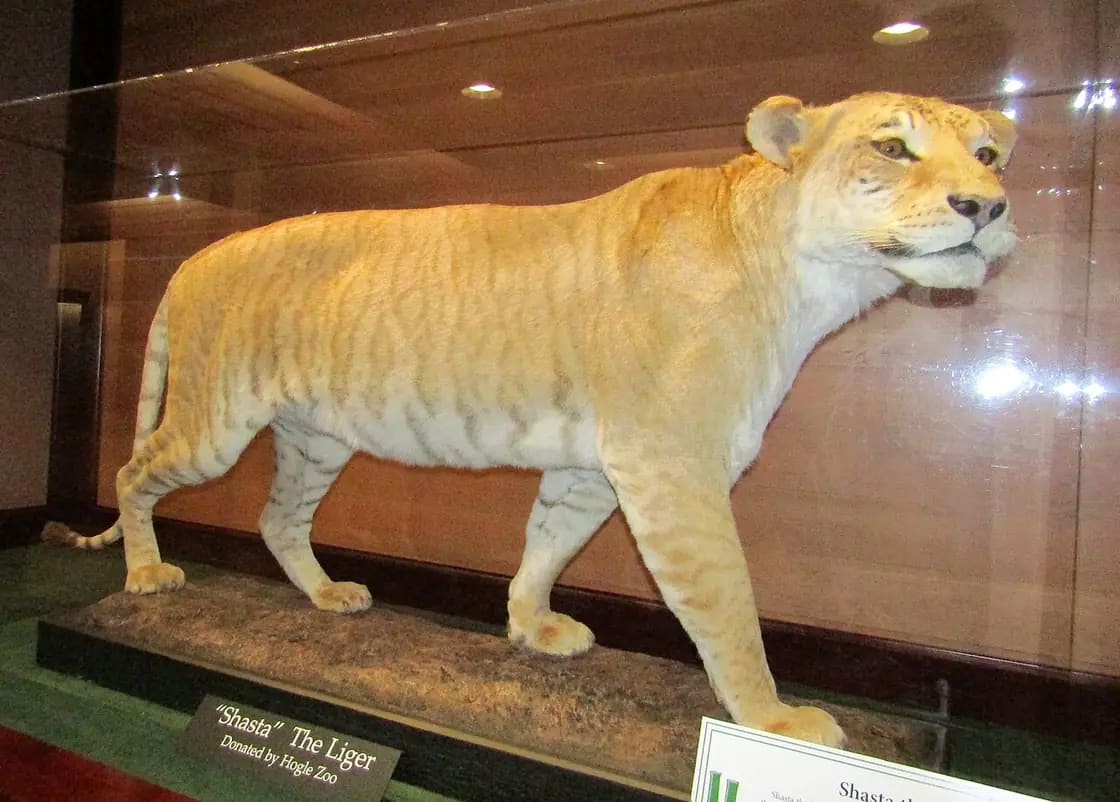
We have a full guide to the Bean Museum covering parking, Shasta the liger and the current state of its live-animal program.
Natural history, with wildlife exhibits drawn from six continents and displays on ecology and conservation. It is the best campus museum for children — the animal mounts do the work that no amount of interpretation can, and there are hands-on elements throughout. The collection is unusually deep for a university museum, running from African big game to the birds and mammals of the Utah basin.
⚠ A caution on the live animal presentations that every listing still leads with. The museum's own website carries a page headed "Goodbye to the live animals at the Bean Museum." Against that, BYU's student paper described live animals at the museum as recently as spring 2026, and tourism listings still advertise Live Animal Shows, Nature Experiences and Saturday Safaris as current programming. We have tried and failed to read the museum's own page directly on two separate occasions, so we are documenting the conflict rather than resolving it. Call the museum before making a show the reason for the trip.
Don't miss: Shasta the liger — born at Hogle Zoo in 1948 and still the record holder for the longest-lived liger — and the fossil vending machine, which is exactly what it sounds like.
Two things about the Bean that change how you plan around it.
First, it is the one museum in Provo you can visit in the evening. Its published hours run Monday to Friday, 10 a.m. to 9 p.m., and Saturday 10 a.m. to 5 p.m. — closed Sunday, like the rest of campus. A nine o'clock weekday close is unusual for any museum and unheard of for a free one, and it makes the Bean a genuine after-dinner option on a weeknight when every other cultural building in the city is shut. It is at 645 E 1430 N.
Second, the museum is much older and much larger than the building suggests. The collection came out of BYU's Grant and Brimhall buildings and opened in its own building in 1978, funded by the donation of the naturalist Monte Lafayette Bean, born in 1899, whose animal trophies formed the founding collection. ⚠ And the part nobody writes down: since 1992 the museum has also run the Lytle Preserve — originally 460 acres in south-western Utah, later expanded past 600 — an outdoor classroom in the northernmost extension of the Mojave Desert. A free museum on a Provo campus quietly holds a several-hundred-acre desert field station three hundred miles away.
Saturday Safari, its long-running wildlife education program for children roughly aged five to ten, runs Saturday mornings during term and takes advance registration — historically with no same-day sign-up, because the classes are prepared per child. Confirm the current schedule and fee with the museum rather than with a listing.
BYU Museum of Paleontology
BYU campus · Free
Smaller and specialized: dinosaurs and fossils, most of it out of Utah excavation sites. That local sourcing is the point — Utah is one of the richest fossil regions in North America and this is a museum built out of that ground rather than out of a catalog. Full skeletons, fossil displays, and a viewing window into the working preparation lab where researchers clean and catalog material, which is the part adults tend to stand at longest.
Thirty to forty-five minutes, and it pairs naturally with the Bean.
Museum of Peoples and Cultures
BYU campus · Free
The archaeology and world-cultures museum: artifacts, exhibits and interpretation connecting historical material to living cultures. Rotating exhibitions keep it from feeling like a fixed display-case experience, and it is small enough to see properly in half an hour.
Its practical advantage is that it is frequently almost empty. On a Saturday when the Museum of Art has a queue, this is a set of galleries to yourself.
Off campus
Crandall Historical Printing Museum
Provo · Small fee · By appointment
A genuine oddity and worth the effort. The Crandall houses working replicas of historically significant printing presses, including a Gutenberg press and a Franklin-era press, and the visit is a guided demonstration rather than a walk-through — the presses are run, and the guides are the kind of enthusiast who make a niche subject land.
It is appointment-based, and that is not a formality. Confirm a time before you drive; this is not a museum you can drop in on.
Provo Pioneer Village
Small fee · Seasonal, limited hours
Restored pioneer-era buildings and artifacts covering Provo's settlement history. Small, seasonal and volunteer-shaped, which means the hours are limited rather than nominally limited. Check before going.
Galleries and campus exhibitions
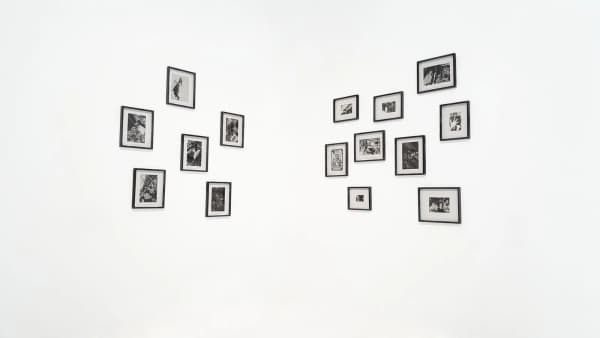
Downtown galleries. Several small spaces along Center Street and Main Street show local and regional artists, with periodic openings and community art events. The scene is modest next to Salt Lake's and it is growing. Our Center Street dining guide covers what to do with the rest of the evening.
The Covey Center for the Arts on Center Street carries gallery space alongside its performance calendar, which makes it the easiest way to fold visual art into an evening that was already going to be a show — see our live theater guide.
The Tiny Art Gallery. A very small gallery on Main Street with limited hours, and a local curiosity more than an art destination. When it is open it is charming; when it is not, you look through the window. Do not build a trip around it.
Campus exhibitions beyond the Museum of Art. Student and faculty work turns up in the library and in other buildings around campus through the academic year. ⚠ Older guides send you to the Harris Fine Arts Center for this and that building no longer exists — the equivalent spaces are now in the Music Building, at BYU West Campus, and in the new Arts Building as it comes into use.
Worth the drive
Springville Museum of Art (15 minutes south)
The significant art institution in the immediate area after BYU's, and the reason Springville calls itself Art City. The story behind it inverts the usual one: the museum's own account is that its juried Spring Salon, which began in 1922, is what caused the museum to be built rather than the other way round. The exhibition came first and the building followed it. Our things to do in Springville guide has the detail.
Thanksgiving Point (Lehi, about 25 minutes)
Paid admission, and a different kind of day. The Museum of Ancient Life is one of the largest dinosaur museums anywhere, the Museum of Natural Curiosity is an interactive science museum built for families, and Ashton Gardens is next door. This is a full-day, ticketed outing rather than a museum afternoon — our Thanksgiving Point guide covers what each part costs you in time.
John Hutchings Museum of Natural History (Lehi, about 25 minutes)
The valley's oddest museum and the one most Provo residents have never heard of, which is why it belongs on this list rather than off it. It sits at 55 North Center Street in Lehi, in the old downtown rather than out by Thanksgiving Point, and it is the collection one couple spent a lifetime assembling and then gave away: minerals and fossils, shells, mounted birds and eggs, Native American artifacts, pioneer tools, and Wild West guns, all in one building. It describes itself as a hands-on teaching museum, which in practice means a child can touch things here that would sit behind glass anywhere else.
It is not a substitute for the big dinosaur halls up the road and does not try to be — it is a cabinet of curiosities at small-museum scale and price, which makes it a good pairing with a Thanksgiving Point trip rather than a competitor to one. Our full guide to the Hutchings Museum has the exhibits, the story of the Hutchings family, and how to plan a visit.
If dinosaurs are the whole reason you are going, the valley has more than one option and they differ enormously in scale, price and how much of the day they take. Our comparison of the valley's dinosaur museums sets them side by side rather than making you check three websites.
Utah Museum of Contemporary Art (Salt Lake City, about 50 minutes)
Free, and the nearest place to see contemporary work that pushes harder than a university collection will. Worth folding into a Salt Lake trip rather than driving up for on its own.
Why a city this size has this many museums
It is worth thirty seconds, because it explains both the quality and the quirks.
None of these were built as civic museums. Every free museum on this list exists because a university needed a place to put a research collection and a donor made that possible — the Bean grew out of a naturalist's donated collection and a department's specimens, the Museum of Paleontology exists because BYU runs field excavations and the material has to live somewhere, and the Museum of Peoples and Cultures is an archaeology department's collection with a public face on it.
That has three practical consequences. They are free, because admissions were never the business model. They are closed on the university's calendar rather than the city's, which is the thing that catches visitors. And they are deeper than they look on the surface — the display floor is a fraction of what is held, which is why the preparation-lab window at the Museum of Paleontology is the most honest exhibit in the city: it is showing you the actual work.
The corollary is that Provo has almost no municipal museum layer. The city's own historical material is at the Pioneer Village and in the library's local collections rather than in a civic museum, which is unusual for a city this size and is the reason the Springville Museum of Art, fifteen minutes south, feels like such an outlier — it is a civic art museum in a town a fifth of Provo's size.
Planning a museum day that works
Go Tuesday to Friday if you can. Most BYU museums close Sundays, several close Mondays, and this is the single most common reason a museum trip here fails.
Remember whose calendar you are on. These are university buildings. Hours move around finals, semester breaks, and university holidays — and a week that looks perfectly ordinary on a city calendar can be a closed week on campus. Check the individual museum's own page rather than a tourism listing, which is where stale hours live.
Parking. Use the visitor lots near the museums and register your vehicle at the museum front desk — several of the campus museums issue visitor parking permits at the counter, and you will need your license plate number. Do not skip this step; campus parking is enforced.
Getting there without a car got easier. UTA opened the BYU Central Campus Station on 900 East in late 2025, giving UVX riders a stop nearer the middle of campus. Our UVX and transit guide covers fares — and the standing point that UVX is not free to the general public, only with a qualifying BYU or UVU ID.
Stack them. The campus museums are close enough together to do two or three in an afternoon on foot. The natural order is Museum of Art first while you are fresh, then the Bean, then Paleontology or Peoples and Cultures depending on who you are with.
Then leave campus for dinner. Center Street is ten minutes away and the evening can keep going from there.
Bring children, but front-load the good bit. The Bean and the Museum of Paleontology hold a child's attention far better than a gallery does, so if you are doing the Museum of Art at all, do it first — see our toddler activities guide and parent's guide to visiting Provo for the rest.
Related Guides
- Bean Life Science Museum Guide
- Indoor Activities in Provo
- Free Things to Do in Provo
- A Parent's Guide to Visiting Provo
- Live Theater in Utah Valley
- Thanksgiving Point Guide
- Things to Do With Toddlers & Little Kids
- Photography Spots in Provo
- The Provo Art Stroll: A First-Friday Walk Nobody Tells Newcomers About
- American Fork Amphitheater: Free Monday Concerts, Weddings, and Two Different Addresses
- Comedy in Provo: Dry Bar, ComedyBox, and How a College Town Became a Clean-Comedy Capital
- Public Art in Provo: Who Owns the Walls, and Which Pieces Will Still Be There
- BYU Museum of Art Guide
- The Springville Museum of Art: Utah’s First Art Museum
- Hogle Zoo and Tracy Aviary from Provo — the Salt Lake animal day, planned properly
Last updated: August 2026. Museum hours, exhibitions and campus building status all change — check the individual museum's own page before visiting.
Also new: six galleries in BYU's new Arts Building (October 2026).
Frequently Asked Questions
What museums are in Provo?
Are Provo museums free?
Is the Harris Fine Arts Center still on BYU campus?
Does the Bean Museum still do live animal shows?
What is there to do at BYU if you're not a student?
How long does a Provo museum day take?
Which day should you plan a museum visit in Provo?
Where can you see art in Provo outside the museums?
Sources
The facts in this guide were checked against these sources. Hours, fees and rules change, so confirm anything time-sensitive with the source before you go. How we make Provo.com.
- Music Building dedicatory service, BYU News. Checked October 12, 2026.