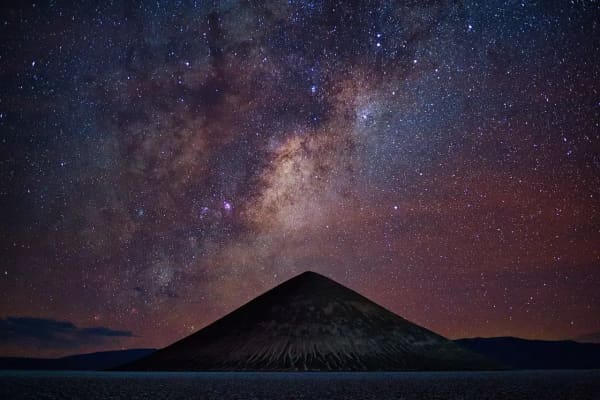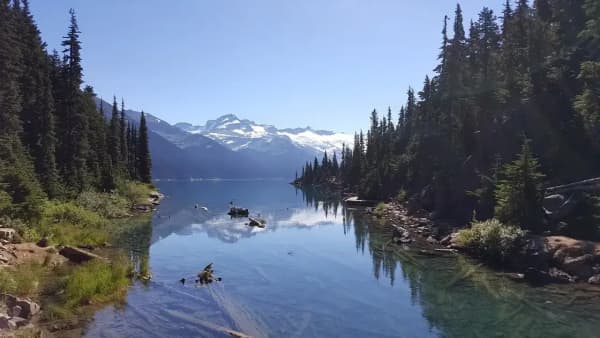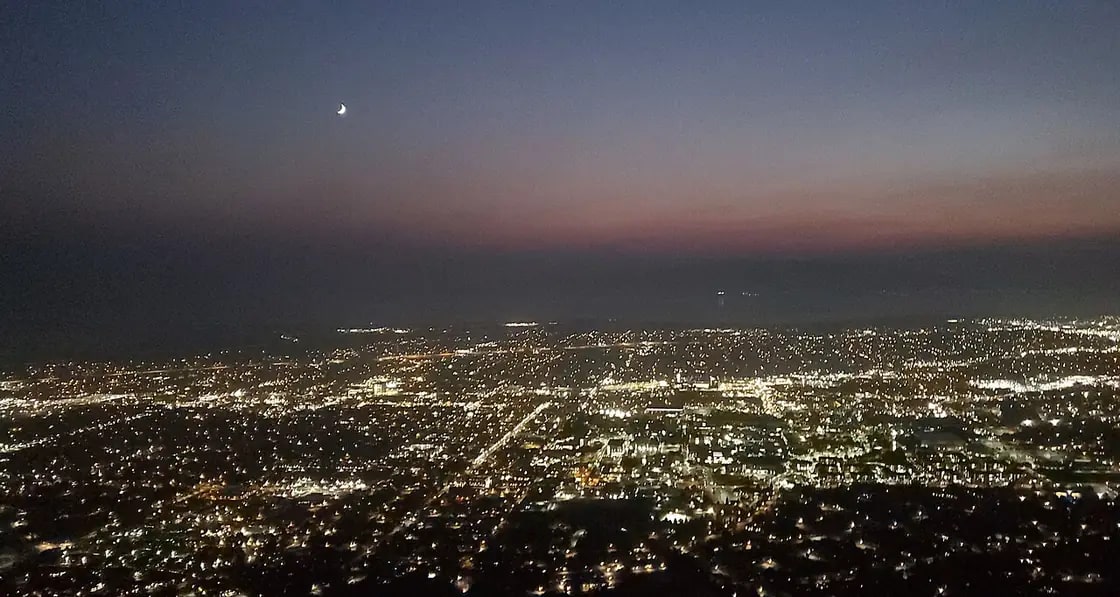

Provo is one of the most photogenic small cities in the West. Dramatic mountain backdrops, canyon waterfalls, lake sunsets, autumn foliage and a compact historic downtown create shooting opportunities that photographers in flat, overcast cities would envy, and the valley is small enough that you can work three completely different environments in one morning.
What almost every guide to this subject leaves out is the half that decides whether the session happens: who owns the ground, and what they let you do on it. Provo's two most-recommended photo locations — BYU campus and Ashton Gardens — both restrict exactly the kind of shoot people book them for, and neither restriction is obvious from the gate. There are also two locations on most published shot lists that have physically changed in the last three years.
So this guide runs in two parts. The locations, and then the rules.
Mountain & Canyon Shots
Shooting in Provo Canyon specifically? This section covers the canyon as part of the whole valley. The canyon has its own guide — Provo Canyon photo spots, where and when to shoot — which goes through the light at each location hour by hour, the highway access problem, and the permit rules for shooting there commercially. Start there if the canyon is the whole trip; stay here if you are building a valley-wide list.
Advertisement
Kyhv Peak Overlook (formerly Squaw Peak)
Best light: Sunrise, golden hour · Best season: Late spring through autumn — ⚠ the road gates for winter
The single best panoramic view of Utah Valley. From the overlook on Kyhv Peak Road — the peak and road were officially renamed from "Squaw Peak" in 2022 — you can see Provo, Orem, Utah Lake and the entire valley floor below, with the Wasatch framing the scene. Sunrise from here, with the valley in shadow and the peaks catching first light, is extraordinary.
⚠ Read the season line carefully, because this is the mistake that costs a pre-dawn drive. Kyhv Peak Road is gated for winter, generally closing around late November depending on snowfall and reopening in late spring. Once the gate is shut, the drive-up shot does not exist — and winter, with snow on the peaks and clean cold air, is precisely when a landscape photographer most wants to be up there. Check before you set an alarm. The road doubles as a long running climb, covered in our Provo running routes guide.
Y Mountain Trailhead & Trail
Best light: Golden hour · Best season: Spring through autumn
The Y Mountain trail offers two entirely different shots: the iconic white "Y" on the mountainside, shot from the valley looking up, and the valley panorama, shot from the trail looking down. The climb to the letter is roughly a mile each way — steep, switchbacked, and much harder than the distance suggests. The "Y" illuminated at night is a third classic, best captured from BYU campus or the Provo bench.
For a panorama with fewer people in it, the foothill singletrack works: our mountain biking guide describes Archie's Loop, a short foothill trail with Timpanogos, Provo Peak, Cascade Peak, Deer Creek Reservoir and the Heber Valley all visible from one vantage point.
Bridal Veil Falls
Best light: Midday (canyon shade), golden hour · Best season: Spring for water volume, winter for ice
A 607-foot double waterfall that photographs well in every season. Spring runoff gives the most dramatic volume; winter turns the falls into a crystalline ice formation that draws climbers as well as photographers.
⚠ Access has changed and most listings have not caught up. Utah County is midway through a two-year, $7 million reconstruction of the area around the falls. Phase 2, scheduled from July 2026 into 2027, closes the trail at the base of the falls for a complete rebuild and reroutes Provo River Parkway bike traffic across the river.
What that means practically: the waterfall itself is untouched and remains visible and shootable from the canyon road and from the paved Parkway. What you cannot currently do is walk to the base and shoot from underneath it, which is the composition most people arrive intending to get. Do not plan a portrait session around standing at the falls, and check Utah County's current notice the week you go — press accounts do not agree on when Phase 2 finishes. See our Bridal Veil Falls guide for the full access picture.
Rock Canyon
Best light: Morning · Best season: Autumn for foliage, spring for wildflowers
The canyon mouth frames dramatic rock walls against the sky, and the trail winds through trees that throw dappled light. In autumn the maples turn deep red against pale rock — one of the most recognizable seasonal shots in the valley. The geology is worth knowing for exposure reasons: the canyon runs from yellow-red quartzite near the mouth into gray limestone further up, so the rock you are metering against changes color and reflectance as you walk. Those same walls are the area's main sport-climbing venue; see our Provo rock climbing guide.
Lake & Water
Utah Lake Sunsets
Best light: Sunset · Best season: Summer and autumn
Utah Lake produces some of the most vivid sunsets in the region. The wide, open western horizon creates expansive skies that turn pink, orange and purple, and summer thunderstorm cloud adds structure to what would otherwise be a flat gradient. Shoot from the Utah Lake State Park shoreline or the restored Provo River delta — the delta's flat 3.8-mile loop puts you on open water with the Wasatch behind you, and Delta Gateway Park on Lakeshore Drive is the easiest place to start. See our Utah Lake Guide.
⚠ Note the ownership: Utah Lake State Park is a state park, and Utah State Parks operates a special-use permit regime for commercial photography and organized shoots. The delta and the city shoreline access points are a different jurisdiction. If money is changing hands for the session, that distinction matters.
Provo River
Best light: Morning golden hour · Best season: Autumn
The river runs through the canyon and the city, offering reflections, moving water and riparian vegetation that photographs beautifully. Long exposures of the river with autumn foliage on the banks are a local staple, and the Provo River Parkway gives paved access along most of its length — which also makes it the most reliable location on this page, since it is public, open year-round, and has no permit regime for an ordinary session.
Downtown & Urban
Center Street Murals
Best light: Overcast for even light, or golden hour · Best season: Year-round
Downtown Provo has a growing collection of murals along Center Street and the surrounding blocks — large-scale, colorful, and well suited as portrait backgrounds. Walk the downtown grid to find them on building sides, alley walls and storefronts. This is also the most weather-proof location in the guide: an overcast day that ruins a mountain shoot is ideal here.
Provo City Center Temple
Best light: Blue hour, just after sunset · Best season: Year-round, especially during holiday lighting
The temple's architectural detail, reflecting pools and landscaping create elegant compositions, particularly at blue hour when the building is lit against a deep sky. Grounds are open to the public. Be aware you are photographing an active religious building and behave accordingly — this is a working temple, not a monument.
BYU Campus
Best light: Varies · Best season: Autumn for foliage, spring for blossom
The campus has good architecture, mature trees and mountain backdrops. The Jesse Knight Building columns and the walkways through Heritage Halls are long-standing graduation and engagement spots. The rules here are covered in detail below and they are stricter than almost anyone assumes.
⚠ The Harris Fine Arts Center was on every campus photo list and it is gone — demolished from early 2023 for the new Arts Building on the same site. A shot list copied from an older guide will send you to a construction hoarding.
Ashton Gardens, Lehi
Best light: Golden hour · Best season: Spring for the tulip bloom, summer for full planting
Fifty acres of formal, heavily planted garden organized into seventeen themed spaces — a French-formal parterre, a rose garden, native prairie and mountain plantings, and a long processional lawn that is the single most-photographed engagement backdrop in Utah Valley. It belongs on this list and has been missing from it.
⚠ Two caveats, both significant. It requires a paid Photo Pass for any posed session — see the rules section. And the waterfall is temporarily turned off under Lehi's Water Conservation Management Plan, which removes the feature most people go there to shoot. Our full Ashton Gardens guide has the detail.
The rules: who lets you shoot, and for what
This is the section no competing guide carries, and it is the one most likely to save you money.
The useful distinction is not amateur versus professional. It is snapshot versus session, and personal use versus any use that makes money. Landowners here draw the line in both places and they draw it differently.
Thanksgiving Point and Ashton Gardens — a paid pass, booked ahead. Casual snapshots of the plants, the gardens or the people you came with are fine. A photography session requires a Photo Pass reserved in advance, and Thanksgiving Point defines a session broadly: any photo or video shoot, posed or candid, with extended time, outfit changes, props, special attire or equipment. The policy covers sessions for personal use too and explicitly includes mobile phones — a parent directing a posed family shoot on an iPhone is inside the definition. Commercial, promotional and business-use photography and videography are not permitted at all, and content shot there may not be used commercially.
BYU campus — personal use only, and "personal" excludes your portfolio. BYU permits individuals, including visitors, to take photographs for personal use that are unobtrusive and do not interrupt classes, programs or activities. But the university does not allow people or businesses to photograph on campus and use that media for promotional, marketing, commercial, advocacy or similar purposes, and the policy names income generated through digital platforms — advertising, lead generation and similar — explicitly. The practical reading is uncomfortable but clear: a couple taking their own photos is fine; a hired photographer who will put those frames in a portfolio, on a business social account or in an advertisement is doing something the policy prohibits. Students shooting for coursework need a professor's approval. That is a conversation to have before a deposit is paid.
Utah State Parks — a permit regime for commercial work. Utah Lake State Park sits under state parks administration, which operates special-use permitting for commercial shoots. A couple with a camera at sunset is not the target of that rule; a crewed commercial session is.
Public trails, canyon roads and city parks — generally free. The Provo River Parkway, Rock Canyon, the Y trail, the canyon overlooks, Center Street and the city's parks do not require anything for an ordinary small session. This is the durable structure worth remembering: in Utah Valley, the free locations are the public ones and the restricted ones are the beautiful managed ones, and the more manicured the backdrop, the more likely somebody needs to be asked first.
Light, season and the thing about golden hour
Golden hour is the answer everywhere. What is specific to Provo is how far the clock moves across a season, which matters because sessions get booked by time rather than by sun position.
Sunset here runs from around nine in the evening at midsummer to about eight by late August and roughly a quarter past seven by late September, with workable light for another twenty minutes or so after the sun is down. A six-thirty session is mid-afternoon light in June and golden hour in October. Book by the sun, not by the hour you used last time.
Two local complications worth planning around:
The canyon loses the sun long before the valley does. Provo Canyon is deep and steep-sided, so the canyon floor — Bridal Veil, the Parkway, the river — goes into shade well before the published sunset time. That is an advantage for waterfall work, where flat shade beats hard contrast, and a problem for portraits if you arrive expecting warm side light.
The mountains give you the reverse. From an overlook you are still in sun when the valley below has gone blue, which is exactly the split that makes the Kyhv Peak and Y Mountain shots work.
The most distinctive shot in the valley
It is the inversion, photographed from above.
On inversion days a cold layer settles over the valley floor and traps fog and haze beneath it while the peaks sit in clear air and full sun. From a mountain overlook you get a sea of cloud with the Wasatch rising out of it — a shot that looks like alpine Europe and exists in Utah Valley several times each winter. Nothing else here looks like it, and no competing photography guide frames it as an opportunity, because from the valley floor an inversion is simply a bad-air day.
That is also the caveat, and it should be stated plainly rather than aestheticized: an inversion is a genuine air-quality event, and the valley sees several episodes each winter. The photographic move and the health advice happen to agree — get above it rather than shooting in it. Our Provo weather guide explains the mechanism, including why the storm is the cure rather than the cause.
Engagement & Portrait Locations
Provo is one of the busiest engagement photography markets in the country, and the dating culture makes that inevitable. The locations that consistently work:
- Kyhv Peak overlook — mountain backdrop, golden-hour light, in season only
- Provo Canyon and the Provo River — canyon walls, water, autumn color
- Alpine Loop — the best foliage in the county, roughly late September to mid-October, and the road closes for winter
- Sundance Resort — mountain lodge aesthetic
- Downtown Center Street — murals, brick, historic frontage, weather-proof
- Utah Lake — sunset sessions and open sky
- Ashton Gardens — the formal option, Photo Pass required
Tip for photographers: popular spots crowd badly during golden hour on autumn weekends, which is peak engagement season. Weekday sessions and early mornings give you the same locations without competing for space — and on the mountain roads, a weekday also means a better chance of parking at the overlook.
The valley's north end, which most Provo lists leave out
A roundup titled for Provo tends to stop at the Orem line, and that quietly omits some of the most photographed ground in Utah County. If you are building a valley-wide shot list rather than a Provo one, these belong on it.
American Fork Canyon. A different canyon from Provo Canyon in character: narrower, steeper walls, and a road that climbs into the Alpine Loop. Tibble Fork Reservoir near the top is the postcard, and it is better in the hour after sunrise when the water is still and the far wall is lit. Note that American Fork Canyon sits on Forest Service land with a fee area, and the Alpine Loop road above it closes for the winter. Our American Fork Canyon guide covers the access and the seasonal gates.
Silver Lake Flat. Above Tibble Fork on a rough road, and worth it for anyone willing to drive it. Reflections in the early morning, and a treeline that turns in late September.
Cascade Springs. Terraced pools and boardwalks off the Alpine Loop, which makes it one of the few photogenic spots in the valley with level, railed walkways — relevant if you are shooting with small children, a tripod and a limited amount of patience.
The Lehi and Saratoga Springs lakeshore. The north end of Utah Lake reads completely differently from the Provo side: the mountains sit across the water rather than behind you, which flips the light. For sunset with the Wasatch as the far bank rather than the near one, this is the side to be on.
Battle Creek Falls, Pleasant Grove. A short, steep hike to a falls that photographs well in spring runoff and is close enough to the trailhead to be a realistic evening trip rather than a day out.
Shooting in winter, when most of this list is closed
Between roughly November and April a meaningful share of the locations above are either gated, unplowed or simply not worth the drive, and that is when people ask where to shoot and get told to wait. The honest answer is that winter is the valley's most distinctive season to photograph and the list is just different.
What closes. The Alpine Loop gates for the season, which takes Cascade Springs, Silver Lake Flat and the upper canyon with it. Squaw Peak Road gates. Higher trailheads become a snowshoe rather than a walk.
What gets better. The valley inversion, which is a genuine air-quality problem and also the reason a climb above it produces the single most dramatic image available here — a lake of gray cloud filling the valley with the Wasatch standing clear above it. Y Mountain and the Squaw Peak road below its gate both get above it on the right day. The Provo City Center Temple photographs better against snow than against anything else. Bridal Veil Falls partially freezes, and the ice formations are worth the short walk from the parking area.
What to plan for. Short days mean golden hour is short and arrives in the middle of the afternoon; batteries drain fast in cold; and a lens brought from a heated car into cold air will fog. Let gear acclimate before you start rather than after.
Permissions, drones and the practical limits
The rules section above covers the venues that require a permit. Three more constraints catch people out and none of them is posted at the trailhead.
Drones. Utah County's photogenic ground overlaps heavily with places drones are restricted or banned outright: airspace near Provo Airport, Forest Service wilderness within the Mount Timpanogos and Lone Peak areas, and state park boundaries with their own rules. Check the airspace before flying rather than after, and treat "no signage" as no information rather than as permission.
Private land that looks public. Several of the valley's most-photographed fields, barns and orchard rows are working private property with no fence at the road. The shot from the shoulder is fine; the shot from twenty feet in is trespass, and in an agricultural county that is taken seriously.
Sunday. A large share of the valley's built locations — church grounds, temple grounds, campus buildings — are in active use on Sunday, and a shoot that would be unremarkable on a Tuesday is intrusive then. This is a courtesy point rather than a legal one, and locals notice.
Seasonal Photography Calendar
Spring (April–May): wildflowers on the foothills, blossom on campus, dramatic storm cloud, waterfall peak flow, and the tulip bloom at Ashton Gardens on a schedule set by the flowers rather than the calendar.
Summer (June–August): lake sunsets, Milky Way at altitude, wildflower meadows, hot air balloons during the Freedom Festival. Latest light of the year and the hardest midday contrast.
Autumn (September–October): peak foliage on the Alpine Loop and in the canyons, warm low light, harvest scenes, football atmosphere. The best month in the valley for almost every kind of outdoor photograph.
Winter (December–February): snow-covered peaks, frozen Bridal Veil ice, holiday lights, inversion from above. ⚠ This is also the season when the mountain roads gate — Kyhv Peak Road and the Alpine Loop both close — so the winter shot list is shorter than the summer one and needs planning rather than driving.
Related Guides
- Wedding & Engagement Photo Locations in Utah Valley
- Ashton Gardens Guide
- The Complete Provo Hiking Guide
- Alpine Loop Scenic Drive
- Fall in Provo
- Bridal Veil Falls Guide
- Utah Lake Guide
- Provo Weather Guide
- Stargazing & Dark Sky Spots
- Skate Parks in Utah Valley: Fort Utah, Orem, and Where Else to Actually Skate
- Utah Valley Hike Finder — filter every trail by difficulty, length, season, dogs and fees
- Public Art in Provo: Who Owns the Walls, and Which Pieces Will Still Be There
Last updated: August 2026. Access, closures and photography policies change — confirm with the landowner before a paid session.
Frequently Asked Questions
Where are the best photo spots in Provo?
Do I need a permit to take photos in Provo?
Can I shoot engagement photos on BYU campus?
Is Bridal Veil Falls still accessible for photography?
Where should I take engagement photos in Provo?
When is the best time for photography in Provo?
What is the most distinctive shot in Utah Valley?
Which Provo photo spots have changed recently?
Sources
The facts in this guide were checked against these sources. Hours, fees and rules change, so confirm anything time-sensitive with the source before you go. How we make Provo.com.
- Special Event Policy & Process, Utah State Parks. Checked October 12, 2026.
- Filming and Photography on Campus Policy, Brigham Young University. Checked October 12, 2026.
- BYU announces plans to construct new Arts Building, BYU News. Checked October 12, 2026.
- The Legend and History of Bridal Veil Falls, Intermountain Histories (BYU Charles Redd Center). Checked October 12, 2026.
- Photography Policy, Thanksgiving Point. Checked October 12, 2026.
- Ashton Gardens at Thanksgiving Point, Thanksgiving Point. Checked October 12, 2026.
- Demolition underway on the Harris Fine Arts Center, BYU Daily Universe. Checked October 12, 2026.
- Bridal Veil Falls $7M reconstruction project begins, KJZZ. Checked October 12, 2026.
- Provo's Squaw Peak renamed to Kyhv Peak, Daily Herald. Checked October 12, 2026.