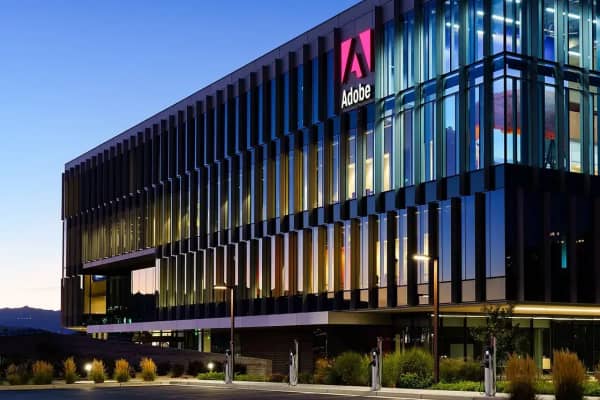

If you live in Utah Valley, you already know LGCY Power — even if you don't realize it. Maybe a friendly rep in a branded polo knocked on your door last summer. Maybe you've driven past the company's glassy headquarters in Lehi's tech corridor. Or maybe you just know someone — a nephew, a ward member, a college roommate — who spent a summer "selling solar" and came home with stories.
LGCY Power (it's pronounced "Legacy Power") is one of Utah Valley's homegrown business success stories: a residential solar company that started with a small Utah team and grew into one of the larger installers in the country. It's worth knowing what the company does, how it got here, and how that famous summer sales program works.
A Homegrown Utah Valley Company
LGCY Power was founded in 2014 in Lehi by Doug Robinson and Luke Toone. In the early days it operated as a certified partner of Sunrun — one of the nation's largest solar providers — and grew at a remarkable clip, opening offices in state after state within its first year.
More than a decade later, the company is headquartered at the north end of Utah Valley in the Silicon Slopes corridor and operates in more than two dozen states, with a workforce in the thousands. It says it's now among the top residential solar installers in the U.S., and it has picked up the kind of recognition that follows fast Utah growth — appearances on the Inc. 5000, spots on Utah's fastest-growing-company lists, and "Best Place to Work" honors. In 2021 it signed a multi-year deal to become the exclusive solar provider of the Utah Jazz, a very Utah kind of milestone for a very Utah kind of company.
The name is a small window into the culture. "LGCY" is shorthand for legacy — the idea, repeated often in the company's materials, of building something and leaving a mark. Whatever you make of the branding, the growth story is real, and it's a Utah Valley story from start to finish.
What LGCY Power Does
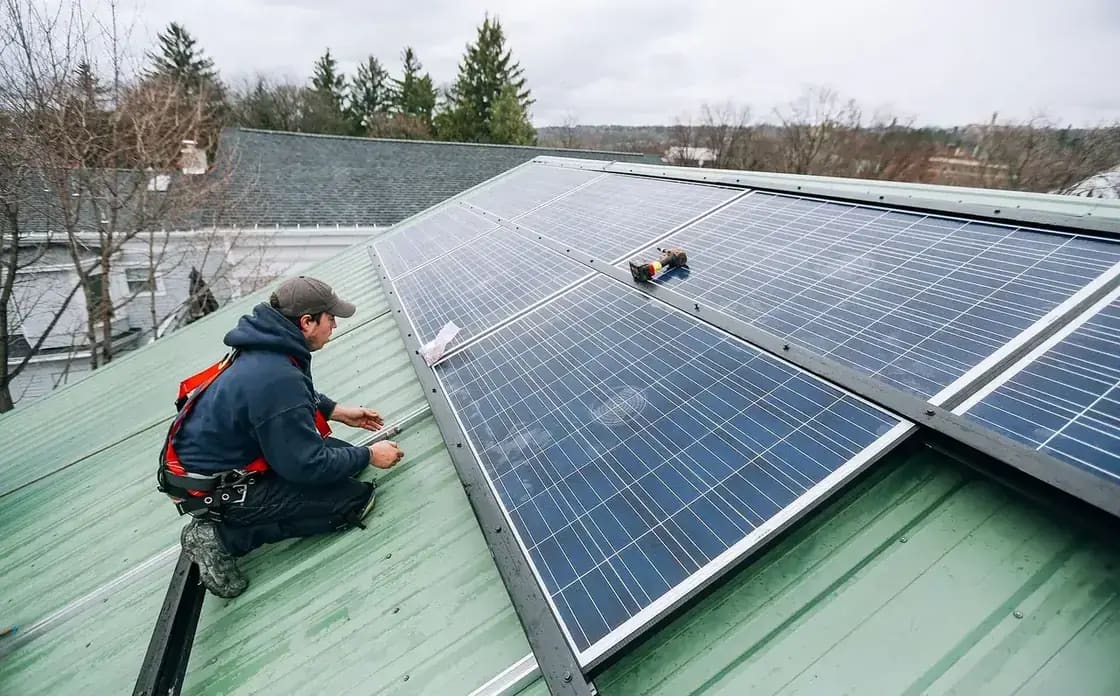
At its core, LGCY is a residential solar company. It designs, sells, and installs rooftop solar systems — and increasingly, battery storage — for homeowners who want to lower their long-term electricity costs and generate their own power.
The process is built around a dedicated solar consultant who stays with you from the first conversation through installation and beyond. A typical path looks like this:
- Consultation. A consultant reviews your electricity bill and usage and explains what solar could and couldn't do for your specific home.
- Design and site survey. A surveyor inspects your roof and electrical setup, and the company produces a custom system design.
- Financing. LGCY offers several ways to pay — outright cash purchase, a solar loan, a lease, or a power purchase agreement — including zero-down options for many homeowners.
- Permits and installation. The company handles the permitting paperwork, then its install teams put the system on your roof, usually over a few days.
- Support and warranty. Systems are backed by long-term warranties, and the consultant stays available for questions after the panels are live.
LGCY installs equipment from established manufacturers rather than making its own, and it has leaned into battery and smart-energy products as those have become more popular. In 2025 it announced a bigger ambition: expanding past solar into a full slate of home services, including HVAC, roofing, and smart-home technology — a bet that the same sales-and-service model that worked for solar can carry into the rest of the house.
The Summer Sales Program
Here's the part a lot of locals really know LGCY for. Every summer, the company recruits heavily from Utah's college campuses — and especially from the ranks of returned missionaries — to sell solar door to door. It's the same engine that powers Utah's broader summer sales industry, and LGCY is one of its marquee names.
The appeal is easy to understand. A returned missionary has already spent two years knocking on doors, handling rejection, and living away from home, which turns out to be excellent training for a sales summer. Reps typically move to an assigned market for a few months, work long days on commission, and — if they're good and a little lucky — can earn far more in a summer than a typical part-time job would pay in a year. The company builds a real culture around it, with training, competition, and a tight-knit "LGCY Nation" identity that a lot of alumni remember fondly.
It's also, honestly, a hard job. Commission-only pay means a slow summer can produce a small check, the hours are long, and the results depend enormously on the person and the market. Plenty of students have a great experience and make good money; others burn out. If you or someone in your family is weighing a summer with LGCY — or any solar or pest-control company — our honest guide to summer sales in Utah walks through how the pay really works and what to nail down before signing.
Thinking About Solar for Your Own Home?
If you're a homeowner rather than a prospective rep, the bigger question isn't which company knocks on your door — it's whether rooftop solar still makes sense in Utah in the first place. The answer changed recently: the 30% federal tax credit for buying your own system ended at the close of 2025, and Utah's export-credit rules have tightened over the years. Solar can still pencil out, but the math is more sensitive than it used to be to your utility, your usage, and your financing.
That's not a knock on any installer — it's just the reality of the current market. Whoever you buy from, the smart moves are the same: get two or three itemized quotes, read the financing terms closely, and never sign a 20-plus-year agreement on your porch the night a rep shows up. A good offer will still be good after a week of homework. Our 2026 guide to home solar in Utah breaks down the incentives, the net-billing rules, and exactly what to check before you commit.
A Utah Valley Original
Love it or roll your eyes at it, LGCY Power is part of the fabric of Utah Valley business — a company that grew out of the same soil as Vivint, Aptive, and Blue Raven, and that has put a lot of local students to work and a lot of panels on local roofs. It's a homegrown success story worth knowing, whether you're eyeing a summer job, considering solar for your house, or just curious about the name on that polo at your door.
If You Signed at the Door: What Utah Law Actually Gives You
Every guide on this site, including this one, tells you not to sign at the door. That advice is useless to the person who already did. So here is the other half: what Utah law gives a homeowner who signed something on the porch and woke up regretting it.
Two separate rules can apply, and which one reaches your situation depends on how you paid.
Utah's home solicitation chapter. Utah Code §§ 70C-5-101 through 70C-5-105 govern what the statute calls a home solicitation sale. The definition is narrower than most people assume: it is a consumer credit sale of goods or services where the seller solicits you face to face at your residence or place of employment and you sign there. The credit part matters. A solar agreement financed with a loan sits squarely inside the chapter. A purchase paid outright may not. The chapter also expressly excludes sales made at a business establishment at a fixed location, which is why walking into a showroom buys you no cancellation right at all.
Where it applies, you have until midnight of the third business day after you sign to cancel. Cancellation happens when you give written notice to the seller at the address stated in the agreement. Two details are worth knowing because they usually work in your favor: notice sent by mail counts when you put it in the mailbox, properly addressed and stamped, not when the company receives it; and the notice needs no particular form. Any written expression that you do not intend to be bound is sufficient.
The paperwork test, which almost nobody knows about. Utah Code § 70C-5-103 requires the seller to hand you a written agreement dated the day you signed, carrying a statement under the conspicuous caption "BUYER'S RIGHT TO CANCEL" in language the statute spells out word for word, including the seller's name and mailing address. Then comes the provision that matters most: until the seller has complied with that section, you may cancel by notifying the seller in any manner and by any means. If the box is not there, or the address line is blank, or the date on the form is not the date you signed, the three-day clock never started running. That is a very different position from being three days late.
What the seller owes you back. Within 10 days of cancellation the seller must return every payment you made along with any note or other evidence of indebtedness. A clause in the contract letting the company keep a deposit, a restocking charge, or any part of a payment is unenforceable under Utah Code § 70C-5-104. Until the seller meets those obligations you may keep any goods already delivered, and you hold a lien on them for whatever you are owed.
The provision that surprises people. Utah Code § 70C-5-105 says that if the seller performed services under the contract before you canceled, the seller is entitled to no compensation. Not a prorated share, not the value of the labor. None. On goods, you have to hand them back on demand, but only at your own residence or place of employment, and if the seller does not come for them within a reasonable time they become yours with no obligation to pay. The statute names 40 days as a reasonable period.
The exception has three parts, and all three must be present. You lose the right to cancel only if you asked for the work without delay because of a genuine emergency, and the seller made a good-faith substantial beginning of performance before you gave notice, and the goods cannot be returned in substantially as good condition as when you received them. A company that started fast is not automatically outside your reach.
The federal rule underneath. The Federal Trade Commission's Cooling-Off Rule, 16 C.F.R. § 429.0, gives three business days to cancel a sale of $25 or more made at your residence, or $130 or more at a seller's temporary location such as a hotel room, convention center, fairground, or restaurant. It is not limited to credit sales, which is precisely why it can reach a cash transaction that Utah's chapter does not. Utah's Utah Code § 70C-5-103 treats compliance with the FTC's notice requirement as compliance with the state caption rule where the two are consistent, so a well-drafted contract satisfies both at once.
Three practical moves. Write the date next to your signature yourself. Photograph the signature page and the cancellation box before the rep leaves with the paperwork. And if you cancel, send it by a method that produces evidence of mailing, then keep the receipt.
None of this is legal advice, statutes change, and a specific contract can raise questions this cannot answer. Complaints about a home solicitation go to the Utah Division of Consumer Protection, and a contract worth more than a few thousand dollars is worth an hour of a lawyer's time.
When the pitch arrives by phone instead of the porch
Door knocking is the visible half of the industry. Phone solicitation is the other half, and it runs under a different chapter with a materially different clock.
Utah's Telephone Fraud Prevention Act, Title 13, Chapter 26, covers purchases made from telephone soliciting businesses required to register under it. Where it applies, the buyer may cancel before midnight of the third business day after receiving the merchandise — note that the clock runs from delivery rather than from signing, the opposite of the door rule — provided the solicitor advised the buyer of the cancellation right at the time of the call.
That proviso carries real weight. If the seller or its solicitor fails to orally advise the buyer of the right to cancel at the time of the solicitation, the right to cancel is extended to 90 days. A rushed script that skips the disclosure converts a three-day window into a three-month one.
The return duties differ too. Under the telephone chapter, a buyer who cancels has seven business days to make a reasonable attempt to return durable goods, or the unused portion of expendable goods — and if the seller never provided a correct address, the buyer is not required to return anything at all. Where the buyer used part of what was delivered, the seller may deduct a reasonable allowance for the value received. That is a genuine contrast with the door chapter, which entitles a seller to no compensation for services performed before cancellation.
The practical takeaway is that "I have three days" is not one rule. Which chapter applies, when the clock starts, and what you owe on the way out all turn on how the sale was solicited and how you paid. Note the date and the channel at the time, because reconstructing it later is much harder.
The chapter carries registration requirements, definitions and exemptions that matter to whether it reaches a given seller, so read it rather than relying on this summary.
One more thing specific to a commissioned sales channel: what the rep says and what the contract says are two different documents, and only one of them is enforceable. Verbal assurances about production, savings, rate escalators, or "we'll take care of that later" generally do not survive an integration clause stating that the written agreement is the entire agreement. If a promise matters enough to influence your decision, it has to appear in the contract itself. A rep with authority to make it will write it in; a rep without that authority is the reason the clause exists.
This article is general information about a local company, not a paid endorsement or financial advice. Verify current products, pricing, and terms directly with the company, and consult a qualified professional before making a solar or financing decision.
For more on the topics here, see our guides to summer sales jobs in Utah, home solar in Utah in 2026, living in Lehi, the biggest employers in Utah Valley, and our explainer on what Silicon Slopes is.
Related Guides
- Tech Jobs in Utah Valley Without Moving to Lehi
- Summer Jobs in Utah Valley That Are Not Door-to-Door Sales
- Direct Sales in Utah Valley: Why the Industry's Capital Is Here
- Government Jobs in Utah County: How Civil-Service Hiring Actually Works Here
- Getting Your First Provo Job: Applications That Actually Work Here
- Jobs in Provo & Utah Valley: Who's Hiring, What It Pays, and What Nobody Tells You (2026)
- Qualtrics: The Provo Basement That Built a $12 Billion Company
Frequently Asked Questions
What does LGCY Power do?
Where is LGCY Power based, and is it a Utah company?
What is LGCY Power's summer sales program?
Is LGCY Power a good solar company?
Can I cancel a solar contract I signed at my front door in Utah?
What if my contract did not include a cancellation notice?
Does the three-day right to cancel apply if I paid cash instead of financing?
Do I have to pay for work the company already completed before I canceled?
Sources
The facts in this guide were checked against these sources. Hours, fees and rules change, so confirm anything time-sensitive with the source before you go. How we make Provo.com.
- Utah Code 70C-5-103 Form of agreement or offer; statement of buyer's rights, Utah State Legislature. Checked October 12, 2026.
- Utah Code 70C-5-102 Buyer's right to cancel, Utah State Legislature. Checked October 12, 2026.
- Utah Code 70C-5-104 Restoration of down payment, Utah State Legislature. Checked October 12, 2026.
- Utah Code 70C-5-105 Duty of buyer; no compensation for services, Utah State Legislature. Checked October 12, 2026.
- Utah Code Title 13 Chapter 26 Telephone Fraud Prevention Act, Utah State Legislature. Checked October 12, 2026.
- 16 CFR 429.0 Definitions (Cooling-Off Rule), eCFR / Federal Trade Commission. Checked October 12, 2026.