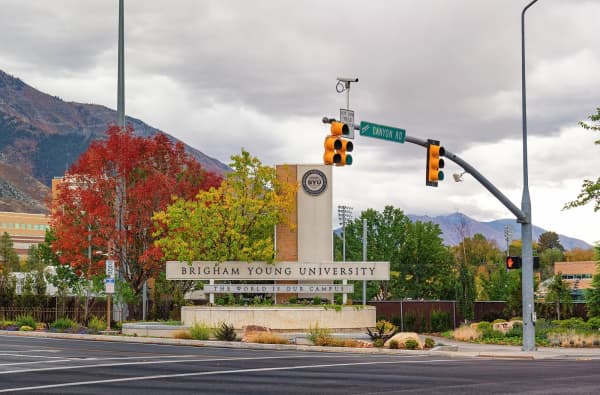

Brigham Young University is one of the largest private universities in the country — more than 35,000 students on a 738-acre campus at the base of the Wasatch Mountains. It's also one of the most distinctive. BYU is sponsored by The Church of Jesus Christ of Latter-day Saints, which means it operates with an Honor Code, a campus culture deeply rooted in faith, and a student body that's unusually homogeneous in some ways and surprisingly diverse in others (students come from every state and 105 countries, and more than 60% speak a second language).
Whether you're an incoming freshman, a returned missionary starting your sophomore year at 21, or a transfer student trying to figure out how this place works, this guide covers the practical stuff — the things that will save you time, money, and confusion during your first semester and beyond.
Campus Basics
BYU's campus is big, but it's walkable. Most buildings are within a 10–15 minute walk of each other, and you'll learn the shortcuts fast. A few things to know upfront:
Your BYU ID card is everything. You'll use it for building access, the library, printing, the Creamery, sporting events, and more. Get it set up during orientation and don't lose it — replacements cost money and take time.
UNIV 101 is required. All freshmen must enroll in UNIV 101 (First-Year Foundations for Student Success) during their first semester. It's a zero-credit class, so it won't affect your GPA, but it will put a registration hold on your account if you skip it. Treat it as an easy win — show up, engage, and use it to meet your peer mentor.
Set up Duo Two-Step Verification right away. This isn't optional. You need it to access your BYU email, register for classes, and use any campus system. Do it immediately after you get your acceptance letter.
The campus is dry and smoke-free. No alcohol, tobacco, coffee, tea, or drugs on campus or in BYU housing. This is part of the Honor Code and it's enforced. If this is new to you, the adjustment is real but manageable — Provo has a growing number of off-campus coffee shops and restaurants that operate independently of BYU's policies.
Housing
Housing at BYU is unlike most universities because of the contracted housing system (long known colloquially as "approved housing"). Here's how it works (and once you've sorted your housing, our college move-in and first-week guide walks through what to bring and how check-in day runs):
Your First Two Semesters
All single undergraduate students must live in one of three arrangements during their first two semesters: BYU on-campus housing, BYU off-campus contracted (approved) housing, or with a qualifying family member. No exceptions.
On-Campus Options
Helaman Halls — The traditional dorm experience. You share a room with one roommate and a floor with dozens of other students. Meal plan required. This is where the stereotypical "freshman social scene" happens — hallways buzzing with activity, impromptu hangouts, and a built-in community. If you're 18 and want the full college-dorm experience, this is it.
Heritage Halls — Apartment-style living on campus. You get a kitchen, more space, and more independence. Meal plans are optional. Heritage tends to attract students who want the campus proximity without the dorm intensity. If you prefer cooking your own food or have dietary restrictions, Heritage gives you that control.
The choice between Helaman and Heritage usually comes down to food. If you don't want to cook, go Helaman. If you do, go Heritage. Both are close to campus, and both have active social environments despite the stereotypes.
Off-Campus Approved Housing
After your first two semesters (or if you're a returning missionary), you can live in any BYU-approved contracted housing. Popular complexes include King Henry, The Colony, and various options along the north and south sides of campus. Shared rooms cost less than private rooms; compare current rates complex by complex.
Start your search at the BYU Off-Campus Housing portal — it's the most comprehensive listing of approved options.
For a detailed breakdown of apartment options, neighborhoods, and pricing, read our Best Apartments Near BYU guide. New to the whole search? Our step-by-step guide to finding student housing in Provo & Orem covers contracted housing, by-the-bed leasing, timing, and avoiding scams.
Academics
Registration
BYU uses a priority registration system based on credit hours — seniors register first, freshmen last. This means your first semester schedule might not be exactly what you planned. A few tips:
- Have backup classes ready. Your ideal schedule will likely have at least one section that fills before your registration window opens.
- Check RateMyProfessors, but take it with a grain of salt. Professor quality matters enormously at BYU, and the difference between sections of the same class can be dramatic.
- Don't overload your first semester. 14–15 credit hours is plenty. You're also adjusting to a new city, new social dynamics, and (for many students) living independently for the first time.
The Academic Culture
BYU students are, on average, high achievers. The acceptance rate has tightened significantly in recent years, and the student body skews academically motivated. This creates an environment where studying is the norm, not the exception — which is helpful when you're trying to build good habits.
That said, the biggest trap for freshmen is over-studying. A common mistake is studying so much that you burn out by midterms. Build social time, exercise, and downtime into your schedule from day one. You'll perform better academically if you're not running on fumes.
Key Academic Resources
- Research and Writing Center — Free tutoring for papers and assignments. Use it. Seriously.
- Tutoring Center — Subject-specific help, especially useful for math, science, and accounting.
- First-Year Mentoring — Every freshman gets a peer mentor. They're there to help you navigate the system — don't be too proud to ask questions.
- Office Hours — Go to your professors' office hours, even if you don't have a specific question. The students who build relationships with faculty get better recommendations, research opportunities, and career advice.
Food on Campus
BYU's on-campus dining is better than most university food, largely thanks to the Creamery. Here's the landscape:
The Cannon Center — The main dining hall. All-you-can-eat buffet format with rotating menus. Solid if you have a meal plan and want variety without thinking too hard. Not the most exciting food, but it's reliable and the salad bar is good.
The Creamery on Ninth — Part grocery store, part deli, part ice cream shop. The ice cream is a campus institution — BYU's dairy program produces it on-site. The deli sandwiches and fresh bakery items are legitimately good for campus food. Also your best bet for late-night snacks and grocery basics without leaving campus.
The Cougareat — The food court in the Wilkinson Center. Multiple options including Chick-fil-A, Subway, and several BYU-operated concepts. Quick, convenient, and perpetually crowded between classes.
J-Dawgs — Technically just off campus, but it's a BYU institution. Polish dogs with the signature J-Dawgs sauce. The line is always long. It's always worth it.
For a complete breakdown of restaurants near campus, read our Best Food Near BYU guide. If you're watching your budget, our Student Budget Eating Guide covers every cheap eat worth knowing about.
Social Life
The Unique BYU Social Dynamic
BYU's social scene is unlike any other university. A few factors make it distinctive:
The age range is wider than typical colleges. Many students serve two-year missions before or during college, which means your freshman class might include 18-year-olds fresh from high school sitting next to 21-year-olds who just returned from teaching English in Japan or doing service work in Brazil. This is one of BYU's strengths — the maturity and perspective that returned missionaries bring enriches the social environment.
There's no party scene in the traditional sense. No frat parties, no bar crawls, no club scene. Social life at BYU revolves around activities — game nights, movie nights, outdoor adventures, cooking together, ward activities, dances, and an endless stream of group hangouts. If your idea of college social life requires alcohol, BYU will feel limiting. If you're comfortable socializing sober, you'll find the community remarkably warm and inclusive. Halloween is the one night where the two campuses' social calendars visibly diverge, and the student Halloween guide treats BYU and UVU separately for that reason.
Ward activities are a major social vehicle. BYU students are organized into wards (congregations) based on where they live. These wards hold regular activities — from service projects to hikes to talent shows — that become a primary way people meet and build friendships. Even if you're not particularly religious, ward activities are worth attending for the social connections alone.
Dating culture is... intense. Provo has a well-earned reputation for its dating culture. Marriage is a common goal among BYU students, and the social infrastructure reflects that — from organized ward activities designed to help people mingle to the cultural expectation that dating should be active and intentional. For a deeper dive, read our Dating in Provo guide.
Getting Involved
The best way to build a social life at BYU is to join things. The university has hundreds of clubs and organizations spanning academics, service, arts, sports, and culture. A few worth highlighting:
- Outdoors Unlimited — Rents gear (skis, bikes, camping equipment) at student-friendly prices and organizes group trips. Essential if you want to take advantage of Provo's outdoor access without buying expensive gear.
- Y-Serve — BYU's service organization, which coordinates volunteer opportunities throughout the community. Great way to meet people while doing something meaningful.
- Intramural Sports — Competitive and recreational leagues for everything from basketball to pickleball. Low commitment, high fun.
- Student Connection & Leadership Center — The hub for all campus clubs and organizations. Browse their directory during your first week and commit to at least one thing.
Getting Around
Walking is the default mode on campus. Most students who live within a mile of campus don't bother with a car.
Biking is popular and practical. Bike racks are everywhere, and the terrain is mostly flat between campus and nearby apartments. Lock your bike — theft is an issue.
UTA buses run frequent routes through campus and to nearby shopping, apartments, and Orem. Your BYU ID gets you free UTA transit, including the FrontRunner commuter rail to Salt Lake City. This is an underused perk — take advantage of it.
Cars are useful for weekend adventures (Sundance, hiking trailheads, Salt Lake City) but a hassle for daily campus life. Parking permits are limited and expensive, and campus lots fill early. If you can avoid bringing a car your first year, you'll save money and stress.
For a comprehensive transportation breakdown, read our FrontRunner & Commuting Guide.
Money
Tuition
BYU's tuition is remarkably affordable compared to peer institutions: $3,548 per semester for Latter-day Saint undergraduates and $7,096 for other undergraduates (2026-27 rates). This is one of BYU's biggest selling points. The Church subsidizes tuition heavily, making a private university education available at public-university prices.
Budgeting
A realistic monthly budget for a BYU student living off-campus looks something like this:
| Category | Monthly Estimate |
|---|---|
| Rent (shared) | $350–$500 |
| Food | $200–$350 |
| Utilities | $30–$60 |
| Phone | $40–$80 |
| Transportation | $0–$50 |
| Entertainment | $50–$100 |
| Total | $670–$1,140 |
Working While in School
BYU has thousands of on-campus jobs, and they're worth pursuing. Benefits include flexible scheduling around classes, no commute, supervisors who understand exam weeks, and (often) a shorter gap between shifts and study sessions. Roles span the library, the Creamery and dining, labs, research assistantships, IT, tutoring, and department offices. Check the BYU Student Employment portal early — the best positions fill fast, especially at the beginning of each semester, and working in your own department is one of the best ways to build relationships with faculty.
International students should note that on-campus employment is the simplest work option under an F-1 visa (see our International Student's Guide for the details). Off campus, Provo and the wider Silicon Slopes tech corridor offer strong internship opportunities — our internships in Provo guide covers where to look.
For deals and savings, our Student Discounts in Provo guide covers every discount worth knowing about.
The Honor Code: What You Actually Need to Know
The Honor Code is real, it's enforced, and it shapes daily life at BYU more than most incoming students expect. Here's the practical version:
Dress and grooming standards exist. Men are expected to be clean-shaven (beards require a medical or religious exemption). Clothing should be modest — no short shorts, no sleeveless tops for men. These standards are more relaxed than they were a decade ago, but they're still part of the culture.
Visiting hours apply in BYU housing. Contracted housing sets hours for opposite-sex visitors; check your housing contract for the current times.
Academic honesty is taken seriously. Plagiarism, cheating, and academic dishonesty can result in suspension or expulsion. BYU's academic integrity standards are strict, and the consequences are real.
The Ecclesiastical Endorsement is annual. Every student needs an endorsement from their ecclesiastical leader to continue enrollment. This is a unique BYU requirement that has no equivalent at other universities. Maintain good standing with your local congregation.
The practical advice: The Honor Code is a package deal. You agreed to it when you accepted admission. Most students find it becomes second nature within a few weeks — the campus culture reinforces it, and your peers are living by the same standards. If specific aspects feel restrictive, talk to your bishop or student services rather than trying to navigate it alone.
Health & Wellness
Student Health Center — Located on campus, offering primary care, immunizations, and basic medical services at reduced rates. For anything beyond basic care, Provo has good medical facilities nearby.
Counseling and Psychological Services (CAPS) — Free counseling for enrolled students. The transition to college is hard for many students, and there's no shame in using this resource. Wait times can be long during high-stress periods (midterms, finals), so don't wait until you're in crisis to schedule.
The Richards Building — BYU's massive fitness facility, covered by tuition rather than charged at the door — though you do need a Student Wellness facilities membership and a signed waiver before your first visit, and wristbands are checked inside. Indoor pools, basketball courts, weight rooms, track, racquetball courts, and group fitness classes. It's one of the best university fitness facilities in the country, and it's included in your tuition. Use it.
For Parents
If you're a parent helping your student prepare for BYU, three questions tend to dominate — and BYU is unusually reassuring on all three.
Cost. BYU is one of the best values in American higher education because the Church subsidizes tuition heavily. For 2026-27, undergraduate tuition is $3,548 per semester for Latter-day Saint students and $7,096 per semester for other students, a fraction of comparable private universities. Add housing, food, and personal expenses, and a realistic all-in annual budget for a student living off-campus typically lands in the mid-teens to low-$20,000s depending on lifestyle. Many students work on campus to offset costs. Always confirm current figures with BYU's financial services, since rates adjust periodically.
Safety. BYU consistently ranks among the safest campuses in the country, and Provo is a low-crime city by national standards. Campus has its own police department, well-lit pathways, and a culture that skews toward caution. For most families, the bigger practical concerns are winter driving and the adjustment to living independently — not campus crime.
Housing and the rules. This is where BYU differs most from a typical university. Single undergraduates must live in BYU housing for their first two semesters — either on-campus (Helaman or Heritage Halls) or in contracted off-campus housing — and that housing carries Honor Code expectations, including visiting hours for opposite-sex visitors. The Ecclesiastical Endorsement is required annually. For parents, the upshot is that BYU housing comes with more built-in structure and accountability than most schools, which many families find reassuring. Our Best Apartments Near BYU guide walks through the contracted options, and the BYU Off-Campus Housing portal is the authoritative listing.
A note worth sharing with your student: BYU's free Counseling and Psychological Services (CAPS), peer mentoring, and warm ward communities mean there's a real support net here. The transition is hard for many freshmen — encouraging your student to use those resources early makes a difference.
The Honest Pros & Cons
What BYU Does Well
- Tuition value is exceptional for a private university
- The outdoor access from campus is excellent, with mountains, trails, skiing and lakes close by
- The community is warm and welcoming, especially for LDS students
- Career placement and alumni networks are strong, particularly in business, tech, law, and accounting
- Campus safety is excellent — BYU consistently ranks among the safest campuses in the country
What Requires Adjustment
- The cultural homogeneity can feel limiting, particularly for students from diverse backgrounds
- The dating culture pressure is real and can be overwhelming, especially for women
- The Honor Code requires lifestyle adjustments that feel natural for some students and restrictive for others
- Non-LDS students may feel like outsiders in some social contexts, though the university is actively working to improve inclusivity
- Provo's entertainment options are limited compared to larger college towns — no bars, limited nightlife, fewer cultural events
Related Guides
-
Things to Do Between Classes at BYU and UVU: The 60-Minute List
-
The BYU Guide — all our Cougar coverage in one place
Advertisement -
Provo Classifieds — the community board, for housing contracts, textbooks and campus gigs
-
Student Budget Calculator — semester-shaped budgeting for BYU tuition, contracted housing and aid timing Last updated: April 2026. University policies and details may change — always verify with BYU directly for the most current information.
Frequently Asked Questions
What should I know before starting at BYU?
How much is rent for BYU students?
Should I live in Helaman Halls or Heritage Halls at BYU?
What should parents know about cost and safety at BYU?
When do BYU students move in for fall semester?
Can I qualify for Utah in-state tuition as a BYU student?
Do BYU students need a car?
How do BYU students find work during the semester?
Sources
The facts in this guide were checked against these sources. Hours, fees and rules change, so confirm anything time-sensitive with the source before you go. How we make Provo.com.
- BYU Facts and Figures, Brigham Young University. Checked October 12, 2026.
- BYU Off-Campus Housing, Brigham Young University. Checked October 12, 2026.