
More on Springville: every guide we have published there, in one place.
Tucked against the Wasatch Mountains just south of Provo, Springville has spent more than a century cultivating something most fast-growing suburbs don't have: a distinct identity. It's "Art City" — home to the Springville Museum of Art, a beloved week-long summer festival, and a downtown that still feels like a real town rather than a row of new strip malls.
If you're thinking about moving here, you're looking at one of south Utah County's most established, well-rounded communities — close to Provo and Orem jobs, anchored by a strong in-town school pipeline, and with Hobble Creek Canyon right at the edge of the city. This guide covers what it's like to live in Springville — the arts, the housing, the schools, the commute, and the trade-offs.
The short version
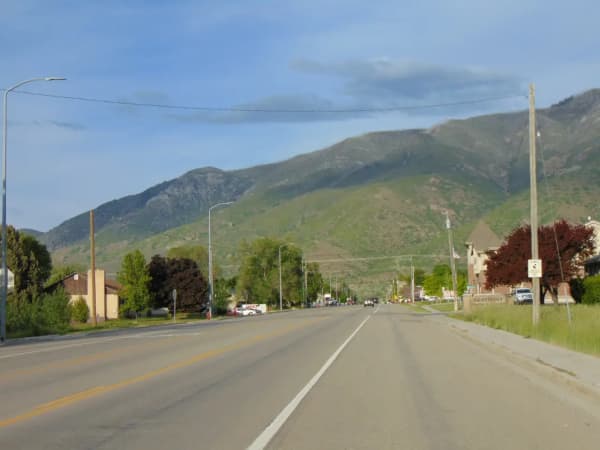
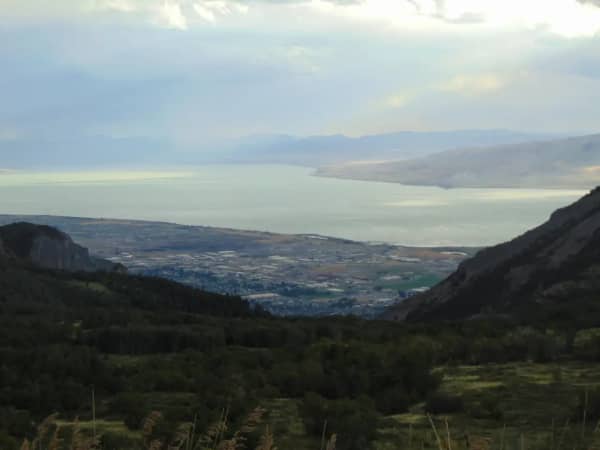
Springville sits on the east side of I-15 a few minutes south of Provo, between the freeway and the foothills of the Wasatch Range, about three miles east of Utah Lake. Its population was roughly 35,300 at the 2020 census and the Census Bureau's July 2025 estimate was about 35,700, roughly flat since 2020.
What draws people:
- A real identity and arts scene — the Springville Museum of Art (in its 1937 building), the annual Art City Days festival, and a genuine sense of local pride and history.
- Central location with great freeway access — minutes from Provo and Orem on I-15, with US-89 also running through town for flexible routing.
- Hobble Creek Canyon — golf, picnicking, and a scenic mountain drive right at the city's edge.
- An in-town K-12 school pipeline in the Nebo School District, so families generally don't have to leave the city for school.
What to weigh:
- Car-dependent. Like most of Utah Valley, Springville is built around driving; transit options are limited.
- Regional traffic. The short commute is a plus, but I-15 through the valley carries the same rush-hour congestion as everywhere else.
- Established, not brand-new. Much of the housing stock is older than in the north-county boomtowns — a feature for some buyers, a consideration for others.
From "Hobble Creek" to "Art City"
Springville was settled in 1850 by pioneer families directed south from the Salt Lake Valley and incorporated in 1853. The early settlers first called the place Hobble Creek — the story goes that their horses were often hobbled (front feet loosely tied) while grazing along the creek — before it was renamed for a local spring. That older name still survives in the canyon, the creek, and the golf course. The fuller version — including the 1849 horse that lost its hobbles and the incorporation date the sources cannot agree on — is in a short history of Springville.
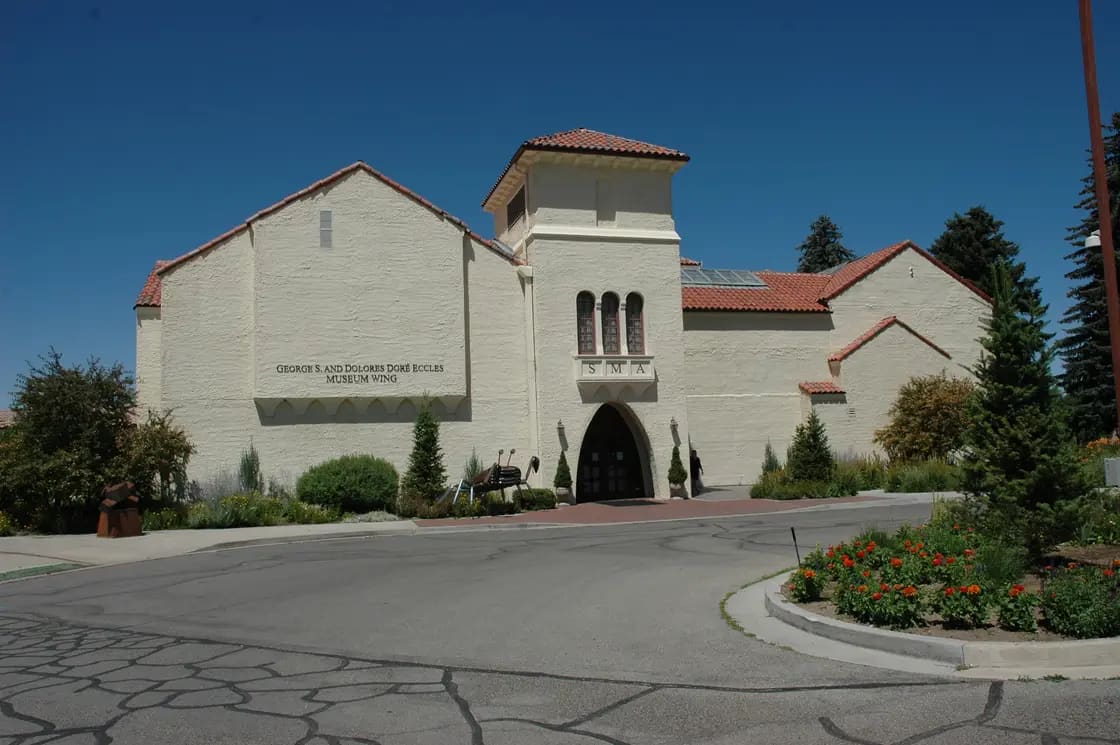
The "Art City" identity came later and has proven remarkably durable. In 1937 the community dedicated the building that houses the Springville Museum of Art, whose collection began in 1903, and over the following decades the city built a reputation as a haven for Utah artists and Western art. That heritage isn't just a marketing line — it shapes the annual festival calendar, the downtown feel, and the way Springville thinks of itself. For a city of its size, having a nationally respectable art museum at its center is unusual.
The local economy and commute
Springville is primarily a bedroom community — most residents commute to jobs in the Provo-Orem area or up the valley toward Salt Lake City. Its biggest practical asset is location: sitting right on I-15 just south of Provo puts the entire Utah Valley job market within an easy drive, and the average resident commute runs around 22 to 23 minutes, comfortably shorter than the national average.
The city isn't purely residential, though. Springville has a meaningful commercial and light-industrial base along the I-15 corridor, and the city's long-term planning leans into expanding that employment and retail footprint as it grows. The freeway position — where traffic moving north, south, east, and west funnels through nearby interchanges — has long made Springville strategically valuable for distribution and commerce.
If you're weighing Springville against other cities in the valley, it helps to see current prices and inventory side by side. You can browse what's on the market — homes for sale, rentals, and student housing — in our real estate marketplace, and if you're relocating from out of state, our moving to Provo guide covers the practical side of settling into Utah Valley.
Housing in Springville
Springville's housing stock is more varied and, on average, a bit older than the master-planned newness of the north-county tech corridor. You'll find historic craftsman and pioneer-era homes near the downtown core, established mid-century neighborhoods, and newer subdivisions on the city's edges, particularly toward the foothills and the Hobble Creek and Brookside areas. That range is part of the appeal: it's possible to find genuine character here, not just builder-grade sameness.
On price, Springville generally runs a little more affordable than the high-demand cities closer to Silicon Slopes, while still reflecting Utah Valley's broadly strong market. For buyers, that can mean more home — or more yard — for the money than you'd get in Lehi or Pleasant Grove. For renters, the supply is smaller than in the big apartment-heavy cities, so it pays to start looking early. As always, confirm current pricing directly, since the market moves.
One point worth clearing up early, because it comes up constantly in valley conversations: the Alpine School District split does not touch Springville. The city is in Nebo School District along with Spanish Fork, Payson, Salem and Santaquin, and the three new districts forming in 2027 are a northern-valley story. Nebo continues as it is.
The age of the stock also changes what due diligence looks like. In a master-planned city the questions are about HOA rules and which phase you are buying into. In Springville they run more toward the age of a roof, a furnace or a sewer lateral, whether an addition was ever permitted, and how a lot laid out before modern subdivision standards sits. Formal HOAs are less common outside the newer subdivisions on the city's edges — which suits buyers who want to park a trailer or repaint a door without asking permission, and frustrates the ones who expect covenants to keep a street uniform.
Getting around
Springville's transportation story is simple and, for commuters, favorable: the city sits directly on I-15, with US-89 also running through it, giving drivers flexible routes in every direction. Provo and Orem are minutes north; Spanish Fork and Payson are minutes south — and Payson runs among the more affordable of the county's major cities if the extra few minutes buy you something. For most day-to-day trips and commutes, that central freeway access is the city's defining convenience.
The catch is the one common to all of Utah Valley: this is a car-centric region, and public transit through Springville is limited compared with the FrontRunner-served cities to the north. Springville does not have its own FrontRunner station — the nearest commuter-rail options are in Provo and Orem — so if car-free commuting is a priority, factor that in. For the vast majority of residents, life here means driving, and the roads are built for it.
Schools
Springville is served by the Nebo School District, which covers the southern part of Utah County. One of the city's real advantages for families is that the complete K-12 pipeline sits inside the city: Springville has its own elementary schools, a junior high, and Springville High School (home of the Red Devils), so students generally don't need to leave town for their education.
A handful of homes on the south end of the city feed into schools in neighboring Mapleton instead, so if school assignment matters to your home search — and in a growing area it often does — confirm current boundaries directly with the district before you buy. Charter options, including academies within the city, add further choice.
Things to do
Springville's quality-of-life anchors are its art and its canyon. The Springville Museum of Art — free to visit, housed in a handsome Spanish Colonial Revival building — is the crown jewel of "Art City," with a permanent collection of Utah and Western works and a peaceful sculpture garden. Just east of town, Hobble Creek Canyon offers the well-regarded Hobble Creek Golf Course, shaded picnic areas, and a scenic mountain drive minutes from downtown.
The city's signature event is Art City Days, a week-long celebration the first full week of June featuring a parade, carnival, hot air balloon launch, concerts, and fireworks — one of Utah Valley's most enduring community festivals. Downtown along Main and State Streets you'll find local favorites like Magleby's, the vintage-motorcycle-themed Strap Tank Brewery, and Pier 49 Pizza, plus boutiques and small shops. Beyond the city's own attractions, Springville puts you minutes from Utah Lake and within easy reach of the canyons and the full slate of recreation across the valley — see our guide to things to do in Utah Valley and keep an eye on the Provo.com events calendar for concerts, markets, and festivals happening nearby. When you're ready to eat your way around the region, our Utah Valley dining guides cover everything from date-night spots to family restaurants.
Who provides your utilities
Springville is a public power city, and it is one of the more useful facts to know about the place.
The city owns and operates its electric utility rather than buying from an investor-owned company, which puts it in the group of south-valley municipal utilities alongside Spanish Fork, Salem, Payson, Provo and Lehi. Springville also participates in South Utah Valley Power Systems, the joint arrangement that operates and maintains the transmission and substation network across the southern end of Utah County, shared with Spanish Fork, Salem, Payson and the South Utah Valley Electric Service District. That is the unglamorous infrastructure layer that keeps the lights on in the whole south valley, and it is run cooperatively by the cities themselves.
What municipal ownership means for a household is mostly governance rather than a guaranteed discount. Rates are set by an elected city council, so the venue for an argument about your electricity bill is a public meeting rather than a Public Service Commission filing. Comparative average-bill figures circulate — Spanish Fork publishes a comparison across nearby providers — but averages depend on assumed usage and are not always dated, so confirm current residential rates with the city before relying on any published number.
Water follows the valley's two-pipe pattern: treated culinary water for the house, untreated secondary water for the yard where a property is connected. Springville sits on ground where a great deal of that secondary infrastructure was inherited from the irrigation systems that watered the fields, so connections are common but never universal, and it remains a parcel-level question. Utah's statewide metering law is changing the cost of the second pipe everywhere; our guide to secondary water and water shares covers the statute, the rate cap written into it, and what to ask about a specific address.
Natural gas is Enbridge Gas Utah. Springville is not a UTOPIA Fiber city, so internet is a private-provider market — worth checking by address rather than by city, since availability varies by neighborhood.
Who responds when you call 911
Springville runs its own police department, from Main Street, and its own fire department, and it does so at a scale that makes it a real service center for the south end of the valley rather than a city dependent on its neighbors.
That matters more than it sounds when you look at what the alternatives are. Within a short drive, Vineyard contracts policing to the Utah County Sheriff's Office and fire and medical response to Orem; Eagle Mountain buys law enforcement from the Sheriff; and Cedar Hills buys police services from American Fork while receiving fire from a shared district. Springville funds both departments itself and answers for them at the city council.
The county-level layer applies here as it does everywhere. Specialist capability sits with the Utah County Sheriff's Office — major crimes, forensics, SWAT, accident investigation, search and rescue — and is drawn on by municipal departments rather than duplicated by them. Fire and emergency medical response runs on mutual aid across city boundaries, which is why the nearest appropriate unit responds regardless of the name on the door. The Utah County fire chiefs' association maintains the roster that makes that coordination work.
Two Springville-specific notes. Hobble Creek Canyon is immediately above the city, and canyon incidents involve wildland fire risk, technical rescue and remote-area medical access that pull on regional resources beyond a single city department. And because SESD serves mutually across several south-county cities, the identity of your electricity provider — and therefore who you call about an outage — is worth confirming by address, even in a city that owns its own utility.
For how a city with its own power utility and its own emergency services sets priorities across them, and in which meeting, see who decides what in Utah Valley.
Who Springville is right for
Springville tends to be a strong fit if you want an established community with genuine character, you value being close to Provo and Orem jobs without paying north-county prices, and you like the idea of mountains, a canyon, and an arts scene at your doorstep. Families do especially well here thanks to the in-town K-12 pipeline and the settled, neighborly feel, and commuters appreciate the direct I-15 access.
It's less of a fit if your priority is brand-new master-planned housing, walkable urbanism, or car-free commuting on FrontRunner — Springville is a classic drive-everywhere Utah town, and much of its housing predates the recent building boom. If a newer, faster-growing community appeals more, the neighboring guides to living in Spanish Fork and living in Mapleton are worth a look.
If you're a BYU or UVU student or recent grad, Springville is one of the closest non-Provo options to BYU, and its slightly lower housing costs can make it attractive — though you'll want a car, and most purpose-built student housing is closer to the campuses. Browse current student housing options to compare what's available across the valley.
The bottom line
Springville is south Utah County's "Art City" — an established, character-rich town that trades the raw newness of the boomtowns for identity, mountains, and a central location. It rewards people who want to be minutes from Provo's jobs and university while coming home to a canyon, a historic downtown, and one of Utah's most distinctive small-city cultures. If that's the balance you're after, Springville is one of the valley's most quietly appealing addresses.
If you're relocating from out of state, our moving guide is the place to start.
For this month's asking prices, rent index and building permits, see the Springville housing market data page.
Related Guides
- Springville Neighborhoods Guide: Where to Live — area by area, and what the names mean
- Living in Lehi, Utah (2026): The Complete Guide
- Living in Lindon, Utah (2026): The Complete Guide
- Living in Orem, Utah (2026): The Complete Guide
- Living in Salem, Utah (2026): The Complete Guide
- Things to Do in Springville, Utah (2026)
- Which School District Am I In? Utah County Before and After the Alpine Split
- Who Decides What in Utah Valley — the only city here that labels its dead committees, and what remains live
- Art City Days: Springville's June Celebration and the Balloon Launch
- The Springville Museum of Art: Utah’s First Art Museum
- Mapleton neighborhoods
- Spanish Fork vs. Springville — how the neighbors differ on housing, canyons and growth
Frequently Asked Questions
Is Springville, Utah a good place to live?
How big is Springville and is it growing?
Why is Springville called 'Art City'?
What school district is Springville in?
How far is Springville from Provo, and what's the commute like?
What is there to do in Springville?
Does Springville have its own power company?
Is Springville on the UTOPIA Fiber network?
Sources
The facts in this guide were checked against these sources. Hours, fees and rules change, so confirm anything time-sensitive with the source before you go. How we make Provo.com.
- 2020 Decennial Census P1 (Springville city), U.S. Census Bureau. Checked October 12, 2026.
- SUB-EST2025 Utah places, U.S. Census Bureau. Checked October 12, 2026.
- ACS 5-year 2024 S0801, U.S. Census Bureau. Checked October 12, 2026.
- Springville Art Museum NRHP nomination, National Park Service. Checked October 12, 2026.
- About the City, Springville City. Checked October 12, 2026.