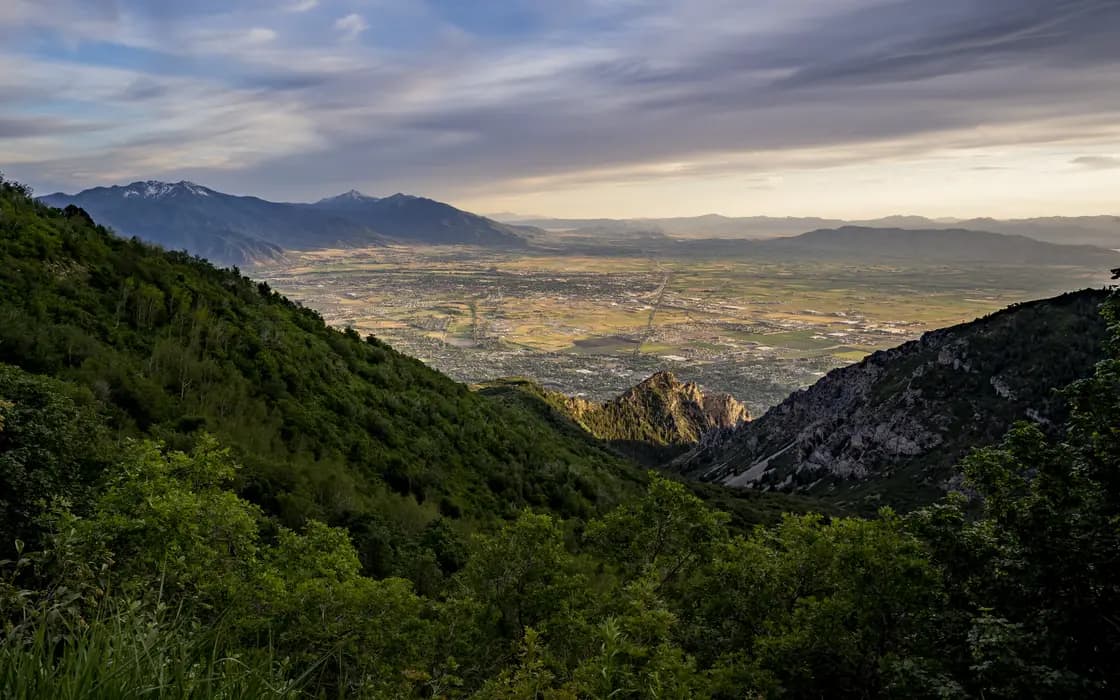

Utah Valley sits in one of the most dramatic settings in the country — Mount Timpanogos and the Wasatch to the east, Utah Lake spread out to the west, and canyons cutting up into the mountains in between. Stretched along the valley floor from Lehi and Thanksgiving Point in the north down through Provo, Orem, and Spanish Fork in the south, it packs world-class family attractions, alpine drives, waterfalls, a huge lake, and a year-round calendar of festivals into a surprisingly compact area.
This is our valley-wide master guide — 30 of the best things to do across all of Utah County, organized by region and by the kind of day you're after. Wherever you're starting from, most of this list is within a 30-to-40-minute drive.
The north end: Thanksgiving Point & Lehi
The fast-growing north end of the valley, anchored by Thanksgiving Point, is the family-attraction capital of Utah County.
1. Thanksgiving Point (Lehi)
The single biggest attraction in the valley, and easily a full day on its own. Founded by WordPerfect co-founders Alan and Karen Ashton, Thanksgiving Point spans seven venues: the Mountain America Museum of Ancient Life (home to one of the world's largest displays of mounted dinosaurs), the Museum of Natural Curiosity (hundreds of hands-on exhibits plus an outdoor discovery garden and ropes course), Curiosity Farms (a real working farm), the Butterfly Biosphere, Jurassic Jungle, The Carousel, and the 50-acre Ashton Gardens, whose grotto waterfall is the signature feature — though it has been switched off at times under Lehi's water conservation plan, so check before you build a visit around it. If you'll visit more than one venue, a membership pays for itself fast. See our complete Thanksgiving Point guide for ticket strategy and what to prioritize.
2. Tulip Festival at Ashton Gardens (spring)
Spring officially arrives when hundreds of thousands of tulips bloom across Ashton Gardens, usually from early April through mid-May. It's one of the most photographed spring experiences in Utah — go on a weekday morning to beat the crowds.
3. Loveland Living Planet Aquarium (Draper)
Just north of the county line in Draper but firmly in the valley's orbit, the Living Planet Aquarium is another full-day, all-weather pick — sharks, otters, a rainforest dome, and a 3D theater. Pair it with Thanksgiving Point for a two-attraction north-end day.
4. Outlets at Traverse Mountain & Cabela's (Lehi)
For a low-key afternoon, the Outlets at Traverse Mountain offer open-air shopping, and the flagship Cabela's nearby is a destination in itself, with an aquarium, a mountain replica, and wildlife displays that kids love. More on the area in our Lehi things to do guide.
5. Cornbelly's at Thanksgiving Point (fall)
Every autumn, Cornbelly's transforms part of the Thanksgiving Point grounds into one of Utah's most elaborate corn-maze-and-pumpkin festivals, with daytime family fun and nighttime scares. A fall tradition for the whole valley.
Up the canyon: Provo Canyon & the Alpine Loop
This is the scenic heart of Utah Valley — and where a lot of first-time visitors fall in love with the place.
6. Drive the Alpine Loop
The Alpine Loop Scenic Byway winds up and over the shoulder of Mount Timpanogos, connecting Provo Canyon to American Fork Canyon through some of the most beautiful alpine terrain in the state. It's spectacular in summer and unforgettable during fall color (usually late September into early October). The road is narrow and seasonal — typically open late spring through fall. Full details in our Alpine Loop scenic drive guide.
7. Bridal Veil Falls
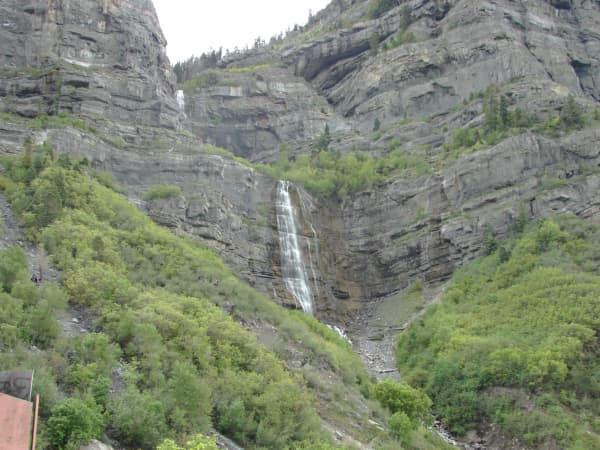
A 607-foot double cascade right off the Provo Canyon road, Bridal Veil Falls is free, easy to reach, and one of the most photographed spots in Utah Valley. There's a paved path along the river and picnic areas. ⚠ Utah County's Phase 2 reconstruction, running from July 2026 into 2027, has closed the trail at the base of the falls; the waterfall is still visible from the canyon road and the paved Provo River Parkway. See our Bridal Veil Falls guide.
8. Sundance Mountain Resort
The mountain resort Robert Redford founded, about 18 miles up Provo Canyon — he sold it in 2020 and died at his home there in September 2025 — is a destination in every season — skiing and snowboarding in winter, a scenic lift and hiking in summer, plus the famous Tree Room and Foundry Grill for a special meal. Our Sundance Resort guide has the full rundown.
9. Cascade Springs
A series of spring-fed terraced pools connected by boardwalks, tucked off the Alpine Loop. It's an easy, shaded, family-friendly walk with crystal-clear water and lots of wildlife — a perfect low-effort stop to pair with the drive.
10. Stewart Falls hike
One of the best moderate hikes in the valley, the trail to Stewart Falls starts near Sundance and leads about two miles each way to a stunning 200-foot waterfall on the back side of Timpanogos. Ideal in summer and gorgeous in fall.
On the water: Utah Lake & the rivers
11. Utah Lake State Park
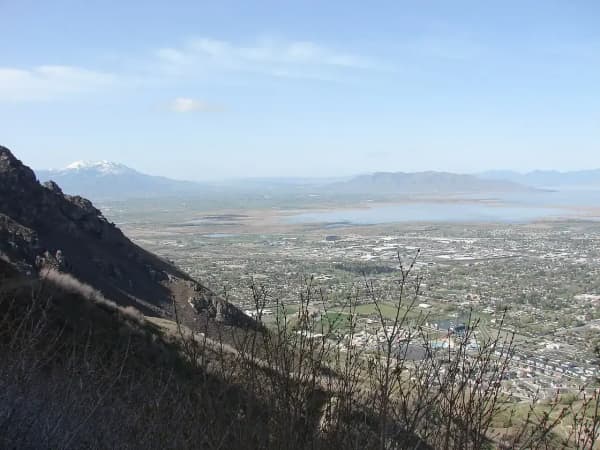
Utah Lake is the largest freshwater lake in the state, and it's the valley's hub for boating, paddleboarding, kayaking, and fishing. Utah Lake State Park in Provo has boat ramps, a marina, and lakeshore trails, and sunset over the water with the Wasatch behind you is a classic Utah Valley scene. More in our Utah Lake guide.
12. Provo River Parkway
A paved trail following the Provo River from Utah Lake all the way up into Provo Canyon, the Parkway is the valley's favorite spot to walk, run, bike, or stroller. Flat, shaded, and scenic — and it connects to Bridal Veil Falls at the top. See our Provo River Parkway guide.
13. Tibble Fork Reservoir
A serene alpine reservoir up American Fork Canyon, Tibble Fork is a favorite for paddleboarding, kayaking, and picnicking with mountain views. The water is cold and clear, and the setting is hard to beat on a summer afternoon.
14. Fishing & paddleboarding the valley's water
Beyond Utah Lake, the valley has excellent paddling and fishing at spots like Deer Creek Reservoir (just up Provo Canyon in Heber Valley) and the Provo River itself, one of Utah's blue-ribbon trout fisheries. Rentals are easy to find in summer.
The southern valley: Spanish Fork, Payson & the Nebo Loop
The south end of the valley is quieter, more rural, and home to some of Utah County's most distinctive experiences.
15. Spanish Fork Festival of Colors
Held at the Sri Sri Radha Krishna Temple in Spanish Fork, the Festival of Colors (inspired by the Hindu Holi festival) is one of Utah's most vibrant and photographed events — music, dancing, and clouds of colored powder thrown in unison. The temple itself, with its ornate architecture and resident birds, is worth a visit year-round.
16. Drive the Nebo Loop
One of America's designated National Scenic Byways, the Nebo Loop winds roughly 37 to 38 miles up and around 11,928-foot Mount Nebo — the highest peak in the Wasatch Range. The overlooks are spectacular, especially in fall, and the route passes campgrounds, picnic areas, and trailheads. A south-valley counterpart to the Alpine Loop.
17. Gateway Parks (Spanish Fork)
A winter playground close to town: Gateway Parks offers snow tubing, skiing, and snowboarding without the drive up a canyon, plus indoor activities like laser tag and VR. A great low-stakes intro to winter sports for families.
18. Spanish Fork's seasonal festivals
Beyond Festival of Colors, the south valley hosts the Sunflower Festival in late summer and Glen Ray's Corn Maze in the fall. For the full rundown of the area, see our Spanish Fork things to do guide.
In town: Provo & Orem
19. Hike Y Mountain
The big white "Y" on the mountainside above BYU is a Provo landmark, and the trail up to it is the city's signature hike — steep but short, with huge valley views as your reward. Go at sunrise or sunset to beat the heat. Details in our Y Mountain trail guide.
20. Explore downtown Provo & Center Street
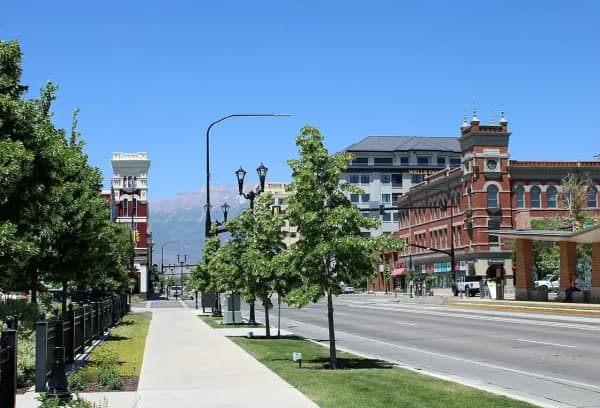
Historic Center Street is the walkable heart of the city, with the restored Provo City Center Temple, local restaurants, coffee and soda shops, boutiques, and a lively dining scene. It's the best place in the valley for an easy evening on foot, and it anchors our city-level guide to things to do in Provo.
21. Rock Canyon
Right at the edge of Provo, Rock Canyon offers everything from an easy paved-then-dirt trail along the creek to world-class rock climbing on its limestone walls. It's a local favorite for a quick hike, a trail run, or watching climbers.
22. Catch live music in Provo
Provo has a nationally noted music scene, much of it nurtured by Velour Live Music Gallery downtown, which has helped launch bands to national attention. Check the calendar for shows — it's one of the most distinctive things about the city.
23. BYU & UVU campus life
The two universities give the valley its energy. BYU's campus is beautiful to walk, with museums (the Museum of Paleontology and the Museum of Art are both free) and Division I sports, while UVU anchors Orem. Game days — especially BYU football in the fall — are an experience in themselves.
24. Splash Summit & summer water fun (Provo)
In summer, Splash Summit in Provo — the water park that operated as Seven Peaks until 2020, and which many directories still list under the old name — is the go-to for families looking to cool off, with slides, pools, and a lazy river. Pair it with the valley's many free splash pads for a low-cost summer day.
Seasonal & year-round highlights
25. Stadium of Fire (July 4th, Provo)
Part of the America's Freedom Festival, Stadium of Fire at BYU's LaVell Edwards Stadium is one of the largest Independence Day celebrations in the country — a major concert headliner plus one of the biggest fireworks shows in the nation.
26. Farmers markets across the valley
From the Provo Farmers Market at Pioneer Park to markets in Orem and the south valley, summer Saturdays mean fresh produce, local makers, food trucks, and live music. A great low-key way to spend a morning.
27. Stargazing & dark skies
Drive 30 minutes up any of the canyons — Provo Canyon, American Fork Canyon, or the Nebo Loop — and you trade city glow for dark skies. Summer and early fall are best for the Milky Way over the Wasatch.
28. Ski day trips to the Wasatch
Beyond Sundance, the valley is within reach of the bigger Wasatch resorts (Park City, Brighton, Solitude, Snowbird, and Alta are all roughly an hour away), making Utah Valley a great base for a ski-focused winter trip.
29. Museums on a rainy (or snowy) day
The valley is loaded with indoor options for bad weather: Thanksgiving Point's two museums, the Living Planet Aquarium, the Hutchings Museum in Lehi, and BYU's free campus museums all make great cold-weather days.
30. Cornbelly's, corn mazes & fall farms
Come autumn, the valley's farms light up — Cornbelly's at Thanksgiving Point, Hee Haw Farms in Pleasant Grove, and Glen Ray's in Spanish Fork all offer mazes, pumpkin patches, and harvest festivals. A quintessential Utah Valley fall outing.
Why the valley's amenities look the way they do
Spend a season here and a pattern emerges that is initially puzzling. Utah Valley has an unusual density of new parks, trails, courts and pavilions — and a persistent, widely shared complaint that maintenance does not keep up. Both are true, and they have the same cause.
Three separate funding mechanisms build and run public recreation in this valley, and they are not interchangeable.
Impact fees — one-time charges on new development under the Impact Fees Act, Title 11, Chapter 36a of the Utah Code — do most of the building. A city must show the fee maintains its existing level of park service against growth rather than raising it, must spend the money on capital facilities lasting more than ten years, must spend or encumber it within six years, and may not spend it on maintenance or operations at all. Our pickleball guide works through the mechanics.
Local sales taxes for arts and recreation — the RAP-style taxes several Utah County communities have adopted — fund programming and cultural organizations on a different basis entirely, and are covered in our guide to small-city celebrations in Utah County.
The general fund, supported by property and sales tax, pays the recurring bills: staff, utilities, mowing, resurfacing, lighting, and everything that has to be paid again next year.
The valley's amenity profile is what you get when the first of those is abundant and the third is contested. Rapid housing growth generates a large, legally time-limited stream of construction money that must be spent on new capital within six years. Nothing about that growth automatically expands the annual budget for looking after what gets built — the operating cost of every new park arrives as a permanent addition to a general fund that has to be argued for each year.
Hence the pattern: new things, generously provided, in a region that is visibly still catching up on upkeep. It is not municipal negligence and it is not a mystery. It is the predictable output of the funding architecture.
Two things follow that are useful to a visitor or a new resident.
Newer suburbs often have the better facilities. Lehi, Saratoga Springs, Eagle Mountain and Vineyard have been building with fresh impact fee revenue during the exact period the sport and amenity mix modernized. Built-out cities with older parks collect far less of it, because the fee attaches to new development and they have less. Age of city is a decent predictor of age of playground.
The best-maintained places are usually the ones with a dedicated revenue source — a recreation district, a user-fee facility, or an active volunteer group — rather than the newest ones. If you are choosing where to spend a Saturday, that is a more reliable signal than a recent ribbon-cutting.
Plan your trip by city
Utah Valley is bigger than just Provo, and each community has its own character. For deeper, city-by-city guides, explore:
- Things to do in Lehi — Thanksgiving Point, Cabela's, and the north end
- Things to do in Saratoga Springs — lakeside parks and trails
- Things to do in Eagle Mountain — wide-open spaces and Pony Express history
- Things to do in Spanish Fork — festivals, the Nebo Loop, and Gateway Parks
- Utah Valley Hike Finder — filter every trail by difficulty, length, season, dogs and fees
- Utah Valley Farmers Markets, by Day of the Week
- Things to Do in Provo on a Sunday
And when you've worked up an appetite, our best restaurants in Provo, best restaurants in Orem, and valley-wide date-night and group and family dining guides will point you to the best tables in the valley.
Frequently Asked Questions
What are the best things to do in Utah County?
What is there to do in Utah County with kids?
What free things can you do in Utah Valley?
What is the most popular attraction in Utah Valley?
What is there to do in Utah Valley in winter?
How many days do you need to see Utah Valley?
Why does Utah Valley have so many new parks but patchy maintenance?
Which Utah Valley cities have the best park facilities?
Sources
The facts in this guide were checked against these sources. Hours, fees and rules change, so confirm anything time-sensitive with the source before you go. How we make Provo.com.
- Utah Lake State Park, Utah State Parks. Checked October 12, 2026.
- Utah Code 11-36a-602. Expenditure of impact fees., Utah State Legislature. Checked October 12, 2026.
- Museum of Ancient Life, Thanksgiving Point. Checked October 12, 2026.