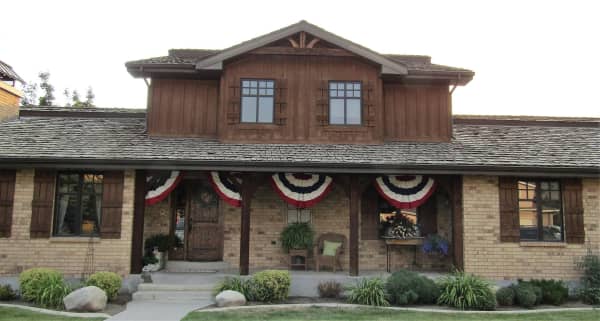
Utah Valley's older homes, the brick Victorians and bungalows of Provo's historic districts, Pleasant Grove's National Register district and other old town centers, are some of the most distinctive houses in the county. Buying one is different from buying new. Our Provo historic districts guide makes the short case for and against; this is the fuller buyer's guide to what the purchase involves.
What "historic" means, legally
- The National Register of Historic Places is the federal list. Being on it, individually or as a contributing building in a listed district, is an honor and a door to tax credits, but by itself it does not restrict what a private owner does with private money.
- Local historic rules are what can restrict you. Cities with historic districts or landmark registers may review exterior alterations; in Provo, that review step is part of the permit process our building permits guide sets out.
Before you make an offer, ask the city whether the house is on a local register or in a local district, and what that means for windows, porches, siding and additions.
The tax credit most buyers do not know about
Utah returns 20 percent of qualified rehabilitation costs as a state income tax credit, administered by the State Historic Preservation Office:
- The use: the building must be a residence after the work, owner-occupied or rented.
- The listing: it must be on the National Register, individually or as a contributing building in a district such as Pleasant Grove's, or be listed within three years of the finished project.
- The spending: at least $10,000 within three years of preapproval.
- The standards: all work must meet the Secretary of the Interior's Standards for Rehabilitation, and the office warns that one noncompliant change can void the entire credit.
- The timing: apply before the work is finished, preferably before it starts.
A separate 20 percent federal credit applies only to income-producing buildings, so a historic rental can qualify for both.
What the inspection has to cover
An old house needs more than a standard inspection. Plan for the wiring, plumbing, heating, roof and foundation, and for the hazards of age:
- Lead paint in any home built before 1978; sellers must disclose known lead hazards under federal rules.
- Asbestos in older insulation, flooring and siding.
- The brick: many older Utah Valley homes are unreinforced masonry, the construction most vulnerable in an earthquake.
See Home Inspections and Appraisals in Utah Valley and Asbestos and Lead in Older Homes.
Brick, earthquakes and insurance
Unreinforced brick is the Wasatch Front's biggest earthquake weakness, and a structural engineer, not a listing, is the one to tell you what you have and what retrofitting would cost. Standard homeowners policies exclude earthquakes, and brick homes cost more to cover. See The Wasatch Fault and Your Mortgage.
Budgeting for an old house
- Price the systems, not just the kitchen: wiring, plumbing and heating come first.
- Keep a contingency. Old houses reveal surprises once walls are open.
- Plan work to the standards if you want the credit, and apply first.
- Line up the right trades: contractors experienced with old masonry and wood windows.
Related Guides
- The Wasatch Fault and Your Mortgage
- Multigenerational Living in Utah Valley
- Renting in Salt Lake County on Utah Valley Wages
- Provo's Historic Districts
- Building Permits in Provo
Frequently Asked Questions
Can I get a tax credit for restoring a historic home in Utah?
When do I apply for the credit?
Does National Register listing stop me from changing my house?
What should an inspection of an old house cover?
Does a house have to be on the National Register for the tax credit?
Do old houses have lead paint?
Are brick homes risky in an earthquake?
Does homeowners insurance cover earthquake damage to an old house?
Sources
The facts in this guide were checked against these sources. Hours, fees and rules change, so confirm anything time-sensitive with the source before you go. How we make Provo.com.
- Financial Incentives, Utah State Historic Preservation Office. Checked October 12, 2026.
- Utah Tax Credit Application Parts 1-2, Utah State Historic Preservation Office. Checked October 12, 2026.
- The Utah Historic Preservation Tax Credit fact sheet, Utah State Historic Preservation Office. Checked October 12, 2026.
- Utah Code 59-10-1006 Historic preservation tax credit, Utah State Legislature. Checked October 12, 2026.
- 40 CFR 745.113 Certification and acknowledgment of disclosure, eCFR / EPA-HUD. Checked October 12, 2026.