
Utah Valley produces sports injuries at a rate that has little to do with how many people live here.
Two universities with full athletic programs. A student population in the tens of thousands, most of it in the exact age band where ligament injuries cluster, playing intramural and recreational sport at an intensity that is often indistinguishable from competitive. Youth leagues of remarkable scale. A canyon system twenty minutes from downtown offering climbing, mountain biking and trail running. World-class skiing within an easy drive.
The result is a valley where the sports medicine question is not niche. It arrives, sooner or later, for most families here.
This guide is about knowing who to see and when — which is mostly a matter of correctly reading a small number of signals.
The specialty most people misunderstand
Start with the correction that saves the most time and money.
Most sports medicine physicians are not surgeons.
The typical route into the specialty runs through primary care — family medicine, pediatrics, internal or emergency medicine — followed by fellowship training focused on athletic injury. These physicians diagnose, image, inject, manage and rehabilitate. They handle the substantial majority of sports injuries without an operating room ever entering the conversation.
Orthopedic surgeons are the surgical specialty. Those with a sports focus concentrate on ligament reconstruction, shoulder stabilization, cartilage procedures and fracture fixation.
Why this matters practically: people with a painful knee frequently try to book directly with a surgeon, wait weeks for the appointment, and are then told they did not need one. The non-surgical sports medicine physician is usually the correct first stop. If surgery becomes the question, that is precisely the person who will tell you and route you.
The care ladder, in cost order
Roughly cheapest and easiest first:
Self-management. Genuinely correct for a large share of soft tissue complaints. Relative rest, gradual return, sensible loading.
Campus health services. If you are a BYU or UVU student, this is almost always the cheapest starting point and it is designed for exactly this population. Our student health and wellness guide covers what is available.
Primary care. Your regular physician manages a great deal of this competently and can refer onward.
Physical therapy. In many cases the actual treatment. See our guide to physical therapy and chiropractic for how the disciplines differ.
Sports medicine physician. The specialist for injuries that are not resolving, are recurrent, or need a diagnosis rather than reassurance.
Orthopedic surgeon. When the question is whether to operate.
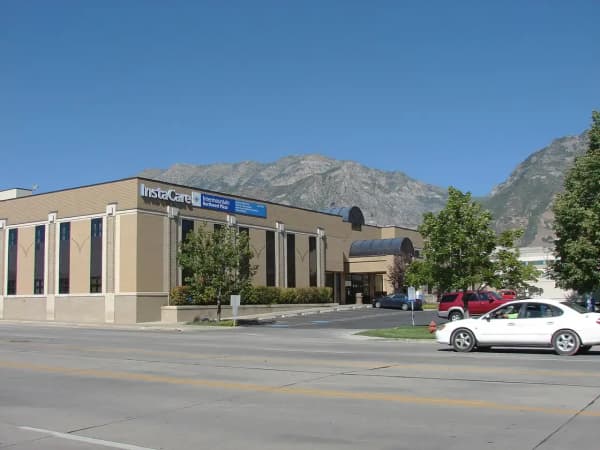
Urgent care. For acute injuries needing attention today but not emergency care.
Emergency department. For the specific list below and nothing else.
The most common expensive mistake is entering this ladder several rungs too high — an emergency department visit on a Saturday for an ankle sprain — and the second most common is entering it far too late, managing a genuine structural injury with ice and optimism for months.
When it is an emergency
Go to an emergency department for:
- A limb that is visibly deformed or angulated
- Bone through skin, or a wound exposing joint or bone
- Loss of consciousness, or worsening confusion, repeated vomiting or escalating headache after a head impact
- Complete inability to bear any weight
- Numbness, severe weakness, or a cold or pale limb below an injury
- Uncontrolled bleeding
Everything else is a question of how soon, not how urgently. Our guide to urgent care versus the emergency room covers the cost difference, which is substantial.
The signals that mean get it looked at
Duration is a poor guide. People wait because an injury "isn't that bad," and the ones that need attention are frequently not the most painful.
Get assessed promptly for:
A pop with immediate swelling. Swelling within the first hour or two suggests bleeding inside the joint rather than ordinary inflammation. This combination is one of the more meaningful signals in the whole field.
Giving way. A joint that buckles under normal load is reporting a mechanical problem, not a pain problem.
Locking or catching. A joint that jams or catches suggests something physically interfering inside it.
Night pain that wakes you. Ordinary soft tissue injury generally settles at rest.
Numbness or tingling. Suggests nerve involvement and should not be waited out.
A plateau. This is the most useful and most ignored signal. An injury improving daily is usually fine. An injury that improved for a week and then stopped is worth an appointment regardless of how mild it feels.
Why knees, specifically
Anterior cruciate ligament injuries concentrate in this valley's dominant demographic, and the mechanism is not what most people assume.
The classic ACL injury is non-contact. It happens on a cut, a pivot with the foot planted, or a landing from a jump — often with nobody nearby. Athletes frequently report a pop, immediate swelling, and an inability to continue despite the absence of any collision.
Two things worth knowing.
Rates are consistently higher in female athletes across most studied sports, and the reasons appear to be multifactorial rather than a single cause — differences in landing and cutting mechanics, hip and knee alignment, neuromuscular control patterns, and hormonal factors have all been investigated. The research is extensive and no single explanation accounts for the whole gap.
Prevention programs have real evidence behind them. Structured neuromuscular training — landing technique, deceleration mechanics, hip and core strength, plyometric progression — has been shown across multiple studies to reduce injury rates meaningfully. These programs work best done consistently in the warm-up, in-season, rather than as a preseason module everyone forgets by October.
If you coach or administer a youth program in this valley, this is the highest-value thing available to you. It takes a modest slice of each practice and it is one of the few proven interventions in youth sport.
Growth plates: the reason children are not small adults
This is the concept most parents have never encountered, and it changes how a child's injury should be handled.
Growing bones have growth plates — zones of cartilage near the ends of long bones where lengthening occurs. Because cartilage is weaker than mature bone, and in growing athletes often weaker than the nearby ligaments, force that would sprain an adult's ligament can instead injure the growth plate in a child.
The practical consequences:
"It's just a sprain" is a less safe assumption in a child. In a skeletally immature athlete, the same mechanism has a different likely outcome.
Some growth plate injuries are hard to see initially. Cartilage does not appear on plain radiographs the way bone does, and certain injuries can look unremarkable on a first film.
A minority can affect subsequent growth, which is the reason for caution rather than a reason for alarm — the great majority heal without any lasting effect when managed properly.
The rule that follows: persistent pain over a bone near a joint in a growing child deserves assessment rather than patience. Not every bump, but anything that has not settled.
There is a related family of overuse conditions in young athletes affecting the sites where tendons attach to growing bone — commonly at the knee and heel. These are typically self-limiting and resolve with growth and load management, but they are worth having identified rather than guessed at, because the management is specific.
Overuse injuries behave differently, and get treated differently
Almost everything above concerns acute injury — a single identifiable moment. A large share of what sports medicine sees has no such moment, and the difference matters because the management is nearly opposite.
An overuse injury is accumulated load outstripping the tissue's ability to adapt. Tissue responds to stress by remodeling and becoming stronger, but that process takes time. Load applied faster than adaptation can keep up produces damage that builds invisibly until it becomes symptomatic.
The signature is an escalation ladder, and learning to recognize it is protective:
- Pain after activity only, settling overnight
- Pain during activity that eases once warmed up
- Pain during activity that does not ease and worsens as you continue
- Pain at rest, and with ordinary daily movement
Each rung represents real progression. People routinely train through the first two, treat the third as a bad week, and present at the fourth asking why it came on so suddenly. It did not.
Bone stress injuries sit at the serious end of this family and are common in the distance-running and jumping populations this valley has plenty of. They matter because a bone stress reaction, left loaded, can progress to a stress fracture, and the timeline for bone is considerably longer than for soft tissue. Localized pain over a bone that worsens with impact and is tender to a fingertip is a specific complaint that should be assessed rather than run through.
The reason overuse injuries recur so reliably is a management error rather than bad luck. The usual approach is to rest until symptoms stop, then resume at the previous volume — which is the volume that caused the problem, now applied to tissue that has detrained. The alternative is to reduce load rather than eliminate it where possible, address whatever technique or strength deficit contributed, and rebuild volume gradually enough that adaptation keeps pace.
Contributing factors are worth reviewing with a clinician: sharp jumps in training volume, a surface or footwear change, a new hill or terrain, inadequate recovery between sessions, and — commonly in the student population here — sleep and general load from everything that is not sport.
Concussion, and what Utah requires
Utah, like every state, has a concussion law covering youth and amateur sports organizations. The structure is consistent across jurisdictions: an athlete suspected of having sustained a concussion is removed from play, and may not return until cleared through the required process. In Utah that process is set by Utah Code 26B-4-404: the child must be evaluated by a qualified health care provider trained in concussion management and must give the organization a written clearance statement from that provider.
The reasoning is specific and worth understanding rather than treating as bureaucracy. The danger is not solely the first impact — it is a second impact sustained before the first injury has resolved, in an athlete whose reaction time and judgment are already impaired. The removal requirement exists to break that sequence.
What this means in practice:
"Suspected" is the trigger, not "diagnosed." The sideline standard is deliberately low, and no coach is expected to diagnose anything.
Loss of consciousness is not required. Most concussions do not involve it. Confusion, headache, balance problems, sensitivity to light or noise, feeling "off" — these are the common presentations.
The athlete is the least reliable reporter. Competitive athletes minimize symptoms as a matter of course, and impaired judgment is itself a symptom.
Return is a graduated process, not a switch. Symptom resolution at rest comes before exertion, exertion before contact, contact before competition.
If your child plays organized sport in this valley, ask the league or school for its written concussion protocol at registration. Reading a policy for the first time during an incident is the wrong moment, and organizations that cannot produce one on request have told you something.
The mountain injury pattern
Utah Valley's proximity to serious terrain shifts the injury mix relative to a flatter place.
Skiing and snowboarding dominate the winter picture, with a documented divergence: skiers sustain proportionally more knee injuries, snowboarders more wrist and upper limb injuries — the latter substantially reduced by wrist guards, which remain underused among adults who consider them a beginner's item.
Mountain biking produces shoulder and collarbone injuries from over-the-bars falls, plus a meaningful share of head impacts.
Climbing, well represented given the canyons here, generates a distinctive set of finger tendon and pulley injuries that general practitioners see rarely. Persistent finger pain in a climber is a specific complaint deserving someone who knows the anatomy involved.
Trail running concentrates ankle injuries, and repeat sprains are the ones to take seriously — recurrent instability is a treatable problem that people tend to accept as permanent.
Altitude is the quiet variable. Trailheads in the canyons sit meaningfully above the valley floor, and nearby resorts higher still. Dehydration and reduced performance at altitude contribute to fatigue, and fatigue is when technique degrades and injuries happen. Our Rock Canyon and Y Mountain guides cover the terrain itself.
Imaging, and why you may not get any
Patients frequently arrive expecting a scan and interpret its absence as being dismissed. Usually the opposite is true.
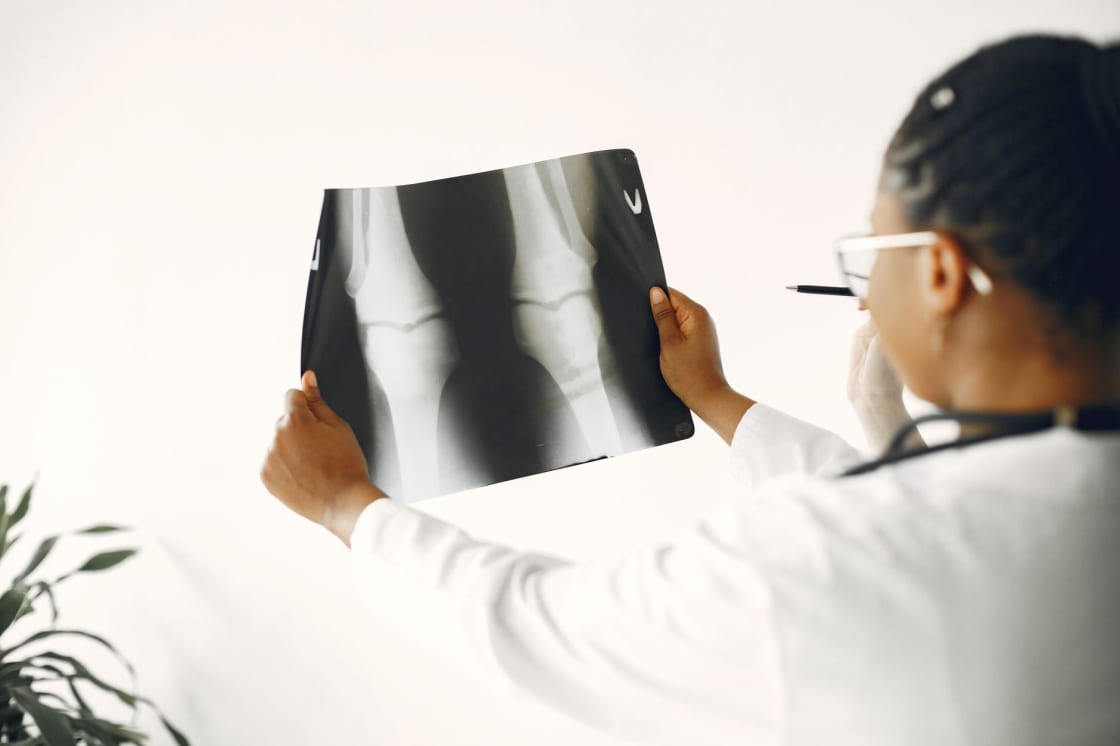
Radiographs show bone well and soft tissue poorly. They are the right first test for suspected fracture and a poor test for a ligament.
MRI shows soft tissue — ligaments, cartilage, tendons — and is the definitive test for many sports injuries. It is also expensive, frequently subject to insurance authorization, and often unnecessary early.
Ultrasound is increasingly used for superficial tendon problems and has the advantage of being dynamic: the clinician watches the tissue move.
The reason a good clinician may decline to image immediately is that the result frequently would not change the treatment. If the plan for the next three weeks is the same either way, the scan is a cost rather than information. Ask the question directly — would the result change what we do now? — and a competent clinician will give you a straight answer.
There is a second consideration people rarely hear: imaging finds things. Scans of asymptomatic people routinely reveal degenerative changes and tears that are causing nothing at all. An incidental finding can generate anxiety, further tests and occasionally treatment for a problem that was never the problem.
Return to play: the actual failure point
Most people who reinjure themselves do so because they returned on a calendar rather than on capability.
Tissue healing timelines set the earliest possible return. They do not establish readiness. Readiness is about restored strength, restored control, and confidence — and the last of those is not soft. An athlete who does not trust a knee moves differently, and moving differently is itself an injury mechanism.
The useful standard is functional rather than temporal: symmetric strength against the uninjured side, the ability to perform sport-specific movements — cutting, landing, deceleration — with control, and no swelling response to the previous session's load.
The most common error in this valley is a specific one: a student athlete returning for a season, a tournament or an intramural playoff before that standard is met, because the calendar is fixed and the body is negotiable. It is not.
Getting the most from the appointment
Sports medicine appointments are short. What separates a useful one from a wasted one is almost entirely the history you bring.
Arrive able to answer:
- What exactly were you doing at the moment of injury — the mechanism matters more than the pain
- Was there a pop, and how fast did swelling appear
- What makes it worse, specifically, and what makes it better
- Has this happened before to this joint
- What have you already tried, and what did it do
- What are you trying to return to, and by when
That last one changes management legitimately. The plan for a competitive athlete facing a season and the plan for someone who wants to hike comfortably are different plans, and a clinician who does not know which you are cannot choose well.
Related Guides
- Physical therapy and chiropractic in Utah Valley — how rehabilitation differs from diagnosis
- Urgent care vs. the ER in Provo — where to go, and the cost gap
- Healthcare in Provo — finding a physician here
- Student health and wellness — the cheapest starting point if you are on campus
- Rock Canyon trail guide — the terrain generating a lot of this
- Y Mountain trail guide — steep, close, and frequently underestimated
Frequently Asked Questions
What is the difference between a sports medicine doctor and an orthopedic surgeon?
Do I need a referral to see a sports medicine specialist in Utah?
What does Utah law require after a youth athlete has a head injury?
Should I go to urgent care or the emergency room for a sports injury?
Why do knee injuries seem so common here?
Is physical therapy the same as sports medicine?
What are growth plate injuries and why do they matter for young athletes?
How long should an injury hurt before I get it looked at?
Sources
The facts in this guide were checked against these sources. Hours, fees and rules change, so confirm anything time-sensitive with the source before you go. How we make Provo.com.
- Utah Code 26B-4-404 Removal of child suspected of sustaining concussion, Utah Legislature. Checked October 12, 2026.
- Utah Code 26B-4-403 Concussion and head injury policy, Utah Legislature. Checked October 12, 2026.