
The rules that govern every Utah home sale, from the non-disclosure of sale prices to the Real Estate Purchase Contract's deadline chain, are laid out in our guide to selling a home in Provo. They apply in Springville, Mapleton, Spanish Fork, Salem, Payson and Santaquin exactly as they do in Provo.
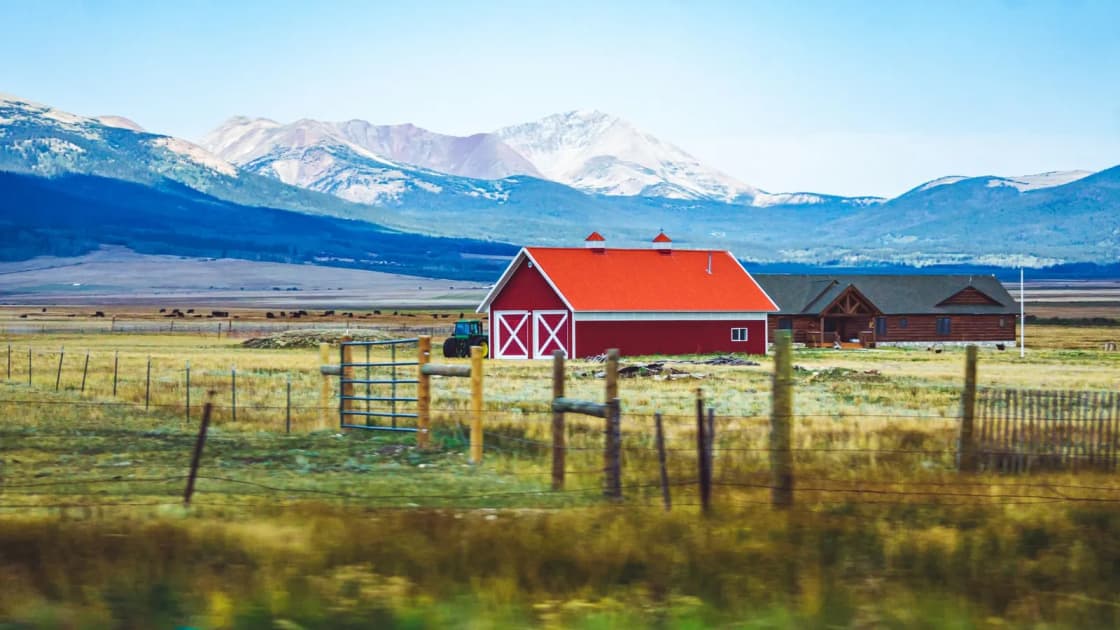
What the south end of Utah County adds is land, and with land comes water. More houses here sit on larger lots, some with irrigation shares, some with their own water rights, some with acreage taxed as farmland. Those are the parts of a sale most likely to go wrong, because they are the parts a buyer from a subdivision has never dealt with. This page covers them first.
Water rights and water shares are separate property
In Utah, the water that comes with a property is not automatically part of it. A buyer can end up with a house and a pasture and no legal right to the water that kept the pasture green. Avoiding that starts with knowing which of two very different things you own.
A water right is a right on record with the state to use a quantity of water, identified by a water right number. It can be conveyed by deed. Since July 1, 2011, a deed may include a water rights addendum, a standard form that lists the rights being conveyed. When the addendum is recorded, the county recorder forwards it to the state engineer, and it is processed as a report of water right conveyance, the filing that updates the Utah Division of Water Rights' ownership records.
If the state's records are not updated that way, for example because the seller is not the owner the Division has on file, the new owner must file a report of conveyance. That report must be prepared by a licensed professional: an attorney, a professional engineer, a title insurance producer or a professional land surveyor. The Division's own forms warn that failing to file promptly can put the right at risk, because the filing is what lets the owner receive notices about deadlines on the right.
Shares in an irrigation company are stock, not real estate. Shares in irrigation, canal and ditch companies are generally not transferred by deed, and Utah law says they transfer the way securities do. Each company has its own procedure. The most common is for the seller to endorse and deliver the stock certificate to the buyer, who presents it to the company for a new certificate in the buyer's name. The company also decides how much water a share delivers and what assessments it charges, so the buyer needs to talk to the company too.
For a seller, three rules follow:
- List the water in the contract. Name each water right by number and each share by company and certificate. If you are keeping any, say so.
- Gather the paperwork before you list. The water right numbers, the share certificates and the name of each company's secretary will be asked for.
- Do not describe water you cannot convey. "Irrigation water" on a listing means something to a buyer; make sure it means the same thing in the contract.
Greenbelt: the tax that can follow a sale
As a general rule, land of five or more contiguous acres that has been actively devoted to agricultural use for at least two years can be taxed at its agricultural value instead of its market value under Utah's Farmland Assessment Act, the program everyone calls greenbelt. The savings can be large. So can the bill when the land leaves the program.
When land is withdrawn from greenbelt, the county imposes a rollback tax: the difference between the taxes paid while the land was assessed as farmland and the taxes that would have been paid at full value, for a rollback period of up to five years. The owner has 120 days after the withdrawal to notify the county assessor, with a penalty for failing to.
A sale can trigger it. A change in ownership counts as a withdrawal if the new owner does not apply for greenbelt assessment within 120 days, or applies and the land does not qualify. A buyer who wants the house and a big yard, not a working farm, may never apply.
So if any of your land is in greenbelt:
- Tell the buyer early, and explain what keeping it in agricultural use would require.
- Decide in the contract who bears the rollback tax if the buyer does not keep the land in the program.
- Talk to the Utah County Assessor's office about the numbers before you set a price; the rollback on a few acres can be a serious sum.
City-run power is the norm here
Four of the south-valley cities, Springville, Spanish Fork, Salem and Payson, run their own electric utilities. Together with the South Utah Valley Electric Service District, they share the high-voltage lines that feed them through an interlocal agency, Southern Utah Valley Power Systems, while each city runs its own retail system. For a sale, that means the electric account in those cities transfers through the city, and buyers moving from a Rocky Mountain Power city will see different rates. Our utility rates guide compares them.
A school district that is not splitting
Much of northern Utah County is about to change school districts: Alpine School District dissolves on July 1, 2027, and its cities move into three new districts. The south valley is not part of that. Springville, Mapleton, Spanish Fork, Salem, Payson and Santaquin are in Nebo School District, before and after 2027.
That is worth saying plainly in a listing, because buyers comparing houses across the county are hearing about the split everywhere else. Our School District Finder confirms the district for any address.
Wells, septic and the loan behind the offer
Some south-valley properties are on a private well rather than city water. If yours is, have the water right number for the well and its records ready, and expect questions from the buyer's lender as well as the buyer.
Some loan programs look closely at wells and water rights. Utah Housing Corporation, the state's housing finance agency, requires its lenders to certify that the water right is being conveyed to the buyer and has been verified with the Division of Water Rights, that the well is on the property and is not shared, and that a well inspection dated within 180 days of closing has been provided. A seller who knows those questions are coming can have the answers ready, rather than finding out at the last minute that the closing is waiting on a well test.
Properties on septic systems raise their own questions at inspection. Our guide to home inspections and appraisals covers what a buyer's inspector looks for.
Pricing a property that is not like its neighbors
Pricing a south-valley house can be harder than pricing a house in a subdivision, because the comparables differ in the things that matter most here: acreage, water, outbuildings, whether the zoning allows animals and whether the land is in greenbelt. Utah is a non-disclosure state, so sale prices are not public, and the sold data sits in the multiple listing service; the Provo guide explains what that means for any seller. With an unusual property, ask your agent which features each comparable shares with yours, how the water was valued and whether a comparable's land was assessed as farmland. For a property with significant water or acreage, an appraiser who knows rural property can be worth the fee.
The short version
- Read the Provo selling guide first for the contract, the disclosure rules and taxes; it applies here too.
- Water rights and irrigation shares are separate. List each one in the contract, and gather the paperwork before you list.
- Greenbelt land can bring a rollback tax of up to five years. Settle who pays it in the contract.
- In Springville, Spanish Fork, Salem and Payson, the electric account transfers through the city.
- Nebo School District is not splitting. Say so.
- If you are on a well, have the water right and the well records ready for the lender.
Related Guides
- Selling a home in Provo
- Selling a home in Orem
- Selling a home in Lehi
- Living in Springville
- Living in Spanish Fork
- Living in Payson
Frequently Asked Questions
Do irrigation water shares transfer with the deed?
How are water rights transferred when a house sells?
What is a report of water right conveyance?
What is the greenbelt rollback tax?
Can selling my land trigger the rollback tax?
Which south Utah County cities run their own electric utility?
Is the school district changing in the south valley?
What if my house is on a well?
Sources
The facts in this guide were checked against these sources. Hours, fees and rules change, so confirm anything time-sensitive with the source before you go. How we make Provo.com.
- Utah Code 59-2-506 Rollback tax, Utah Legislature. Checked October 12, 2026.