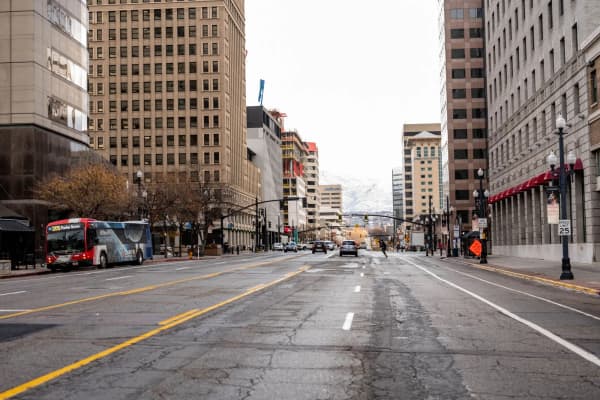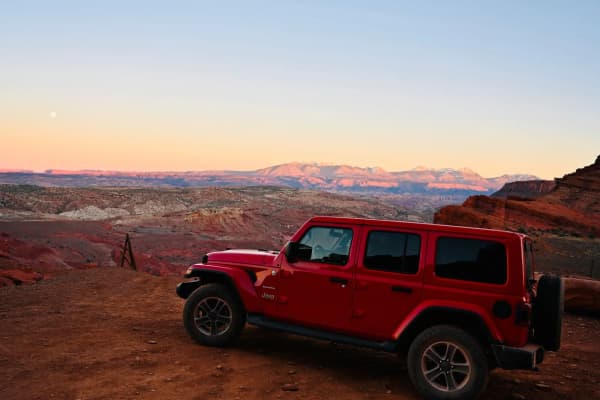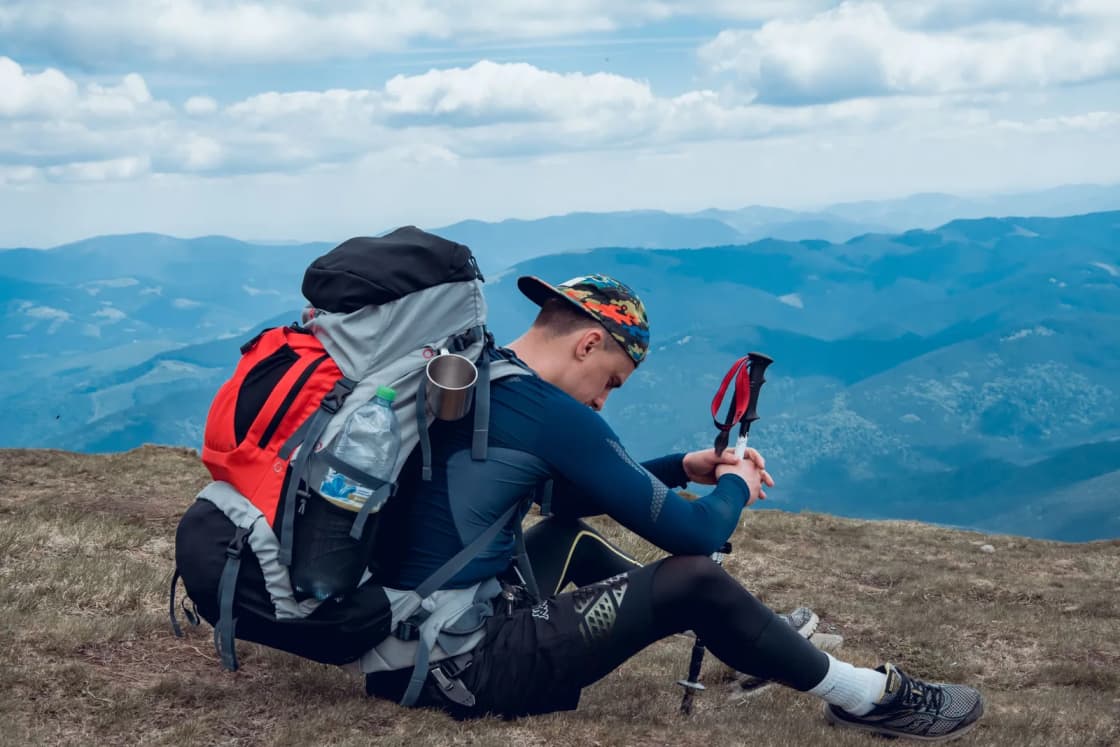
Salt Lake City sits at about 4,260 feet and Provo at about 4,550, heights most visitors barely notice. Its parks and mountains go much higher, and that's where altitude sickness happens: Bryce Canyon's rim, Cedar Breaks, the Uintas and the tops of the Wasatch. This guide covers where Utah gets high enough to matter, what altitude sickness feels like, and what to do, from MedlinePlus at the National Library of Medicine and the National Park Service. It isn't medical advice; talk to a health care provider before a high trip if you have heart or lung problems.
Quick facts
| Question | Answer | Source |
|---|---|---|
| Where it usually starts | Above about 8,000 feet | MedlinePlus |
| Who can get it | "Absolutely anyone" | NPS, Bryce Canyon |
| First symptoms | Headache, dizziness, nausea, fatigue, poor sleep | MedlinePlus; NPS |
| Main treatment | Go lower, as quickly and safely as possible | MedlinePlus |
| Best prevention | Ascend gradually | MedlinePlus |
| Emergency signs | Confusion, trouble walking, breathlessness at rest, coughing up blood | MedlinePlus |
Where Utah gets high
Acute mountain sickness usually affects people "above 8000 feet (ft) or 2400 meters (m)," MedlinePlus says. These Utah destinations reach that height:
| Place | Elevation | Source |
|---|---|---|
| Provo, for comparison | About 4,550 feet | USGS, via our Provo elevation guide |
| Bryce Canyon National Park | About 8,000 feet, up to over 9,000 | National Park Service |
| Fish Lake | Above 8,800 feet | Visit Utah |
| Albion Basin, above Alta | Over 9,500 feet | U.S. Forest Service |
| Boulder Mountain on Scenic Byway 12 | About 9,600 feet at the summit | National Park Service, Capitol Reef |
| Cedar Breaks National Monument | Over 10,000 feet | National Park Service |
| Mirror Lake Highway | Over 10,000 feet at its high point | Our Mirror Lake Highway guide |
| Mount Timpanogos summit | About 11,750 feet | Our Timpanogos guide |
| Kings Peak, Utah's highest | 13,528 feet | Ashley National Forest |
The Mirror Lake Highway's high point, over 10,000 feet, is under two hours' drive from Provo, and Bryce is a day's drive from the Salt Lake airport. MedlinePlus lists a fast ascent as a risk factor, and a car makes a fast ascent easy.
What it feels like
MedlinePlus lists the mild symptoms of acute mountain sickness:
- Difficulty sleeping
- Dizziness or lightheadedness
- Fatigue
- Headache
- Loss of appetite
- Nausea or vomiting
- Rapid pulse
- Shortness of breath with exertion
Bryce Canyon's rangers list "dizziness," "headache," "muscle aches" and "nausea" as early signs, and warn that symptoms "can escalate quickly."
The danger signs
Altitude sickness can progress to fluid on the lungs (high altitude pulmonary edema) or swelling of the brain (high altitude cerebral edema), MedlinePlus says. Its severe symptoms include:
- Blue, gray or pale skin
- Chest tightness or congestion, cough, or coughing up blood
- Shortness of breath at rest
- Confusion, decreased consciousness or withdrawal from others
- Being unable to walk in a straight line, or at all
For altered alertness, coughing up blood or severe breathing trouble, MedlinePlus says to call 911 and "climb down the mountain right away and as safely as possible."
Who is at risk
"Altitude sickness can affect absolutely anyone," the Park Service says at Bryce Canyon. MedlinePlus lists these risk factors:
- Living at or near sea level and traveling to high altitude
- Having had acute mountain sickness before
- Climbing fast or without acclimatizing
- Alcohol or other substances that interfere with acclimatizing
- Heart, nervous system or lung problems
- Anemia
The Park Service adds that people with "preexisting heart conditions, risk of stroke, COPD, asthma, and other chronic illnesses" face a higher risk of complications, and asks them to talk to their physician before visiting.
What to do
If symptoms start, go lower. The main treatment is to descend "as rapidly and safely as possible," MedlinePlus says, and not to keep climbing with symptoms. At Bryce, the Park Service says to "begin heading to lower elevations" at the first signs. On a Utah road trip, that often just means driving down the canyon. MedlinePlus says to contact a provider about any symptoms, even after they improve.
To lower the odds:
- Go up gradually. MedlinePlus calls it "the most important factor in preventing acute mountain sickness." For a Utah trip, that could mean a night in the valley before a high hike, and sleeping lower than you hike, which MedlinePlus also recommends.
- Drink water and skip the alcohol. Bryce Canyon suggests aiming for "a gallon of water a day" and avoiding alcohol; MedlinePlus adds regular high-carbohydrate meals.
- Take it easy. "Limit your exertion" and "turn back before you become tired," the Park Service says.
- Ask about medicine before you go. MedlinePlus says to ask a health care provider about preventive medicines and whether the trip is safe for you.
Related reading
- Provo's elevation and what it changes
- Bryce Canyon's Navajo Loop and Queen's Garden
- Cedar Breaks and Brian Head in summer
- Kings Peak, Utah's highest point
Frequently Asked Questions
At what elevation does altitude sickness start?
What are the symptoms of altitude sickness?
What should I do if I get altitude sickness in Utah?
Can you get altitude sickness at Bryce Canyon?
Will I get altitude sickness in Provo?
How do you prevent altitude sickness?
Sources
The facts in this guide were checked against these sources. Hours, fees and rules change, so confirm anything time-sensitive with the source before you go. How we make Provo.com.
- Acute mountain sickness, MedlinePlus, U.S. National Library of Medicine. Checked November 27, 2026.
- Hiking at High Altitudes, National Park Service, Bryce Canyon. Checked November 27, 2026.
- National Park Service, Cedar Breaks: Safety, National Park Service, Cedar Breaks. Checked November 27, 2026.