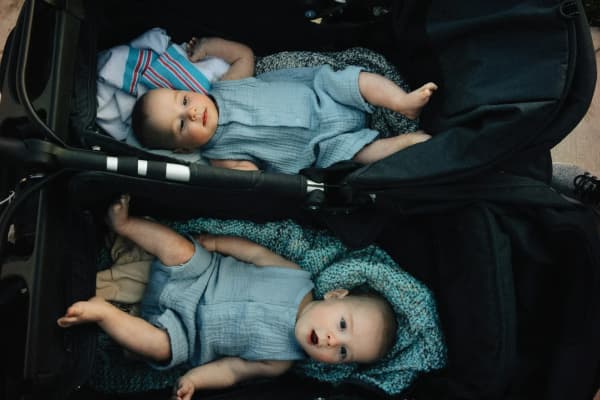
Utah Valley families clothe a lot of children, and many of those clothes are secondhand. Kids grow out of shoes in a season and out of snow coats in a year, and a family with several children can turn over a closet's worth of clothing every season. The valley's answer is a well-worn system of resale: twice-yearly consignment sales that fill an event hall with thousands of outgrown items, resale stores that pay cash for what children leave behind, thrift racks, neighborhood swaps and classifieds.
Used well, that system saves families a great deal of money and turns outgrown clothes into cash or credit for the next size up. Used carelessly, it can mean paying too much, selling too cheaply or bringing home a car seat or crib that should not be used again.
This guide covers how the twice-yearly consignment sales work, where the two biggest local names fit, how to prepare and price items to sell, how to shop a sale well, how selling to a resale store differs, and which used gear calls for extra care. It draws on the organizers' and stores' own pages and on federal safety guidance. Where a date is named, it describes how a sale has run, not a promise about the next one.
Why Resale Works So Well Here
Utah Valley is a young place with a lot of children, and many families are large. That combination makes children's clothing and gear one of the most practical things to buy secondhand. A snow suit worn for a single winter, a stroller used for two years, a pair of church shoes that fit for three months: all of them are nearly new when they are outgrown, and there is always another family a size behind.
Resale also fits how families here budget. Couples who start families while in school or early in their careers look for savings everywhere, and a spring consignment sale can outfit a child for the season for a fraction of the price of new clothing. For families selling, the same sale can turn a garage full of outgrown things into a check.
How a Consignment Sale Works
The twice-yearly consignment sale is a pop-up. For about a week each spring and again each fall, an organizer rents an event hall, fills it with racks and tables sorted by type and size, and opens it to the public. Everything in the room belongs to local families who have consigned it.
Consignors register ahead of time and receive a seller number. They enter their items into the organizer's online system, set prices within its guidelines, print tags and attach them. Before the sale, they drop off their items, which the organizer inspects and arranges. Items with stains, rips or missing pieces are typically turned away.
During the sale, shoppers browse and buy. Many sales open first to consignors and volunteers in a pre-sale, then to the public, and some end with discount days on items their consignors have agreed to reduce. After the sale, consignors receive a share of what their items brought, and they either pick up what did not sell or donate it through the organizer.
The spring and summer sale focuses on warm-weather clothing, swimwear, outdoor toys and summer gear. The fall and winter sale focuses on coats, boots, snow gear, holiday outfits and indoor toys. Both carry baby equipment, books and toys year-round.
Rhea Lana's of Utah Valley
Rhea Lana's is a national children's consignment event, run in each area by a local franchise owner. Rhea Lana's of Utah Valley describes itself as locally owned and holds its sales twice a year at the Luna Event Venue, 1175 North 1200 West in Orem. It has scheduled its fall and winter event for November 7 to 10, 2026.
The event says it carries anything a child from newborn to teen wears or uses, organized by gender and size, with items inspected for rips, stains and broken pieces. It says shoppers can expect items priced at 25 to 35 percent of retail, which is the heart of the appeal for shoppers.
For consignors, the Utah Valley event lists a consignment fee of $12, taken out of your check at the end, and pays by e-check or as credit to spend at the sale. It says consignors earn 60 to 70 percent of their sales. VIP consignors use the event's full-service option; ask what share that option pays.
Unsold items can be donated through the event, which says it partners with foster families, local nonprofits and military families. The organizer also runs a text club and social media accounts where it announces dates and occasionally shares free passes to its pre-sale.
Kid to Kid: The Resale Stores
Kid to Kid is a different model: a store that buys outgrown children's items outright and resells them, open year-round. It has two stores in Utah County. The Orem store is at 390 East University Parkway, close to I-15 and within easy reach of Provo, Lindon and Vineyard. The store the company calls American Fork is at 1438 East Main Street in Lehi, near the Meadows Shopping Center, and serves Saratoga Springs, Highland and Pleasant Grove.
Kid to Kid buys kids' apparel, shoes, toys and baby gear, and it pays either cash on the spot or 20 percent more in store credit. Check each store's hours, including buying hours, before you bring things to sell.
The trade-off against a consignment sale is simple. A store pays you immediately and takes the selling off your hands, but it pays less per item, since it takes on the work and the risk of reselling. A consignment sale pays more per item, but you do the pricing and tagging, wait for the sale, and take home whatever does not sell.
Thrift Stores, Swaps and Classifieds
Beyond the sales and the stores, families find children's clothing in many other places. Deseret Industries and the valley's other thrift stores take donated children's clothing and toys and sell them at low prices, with selection that changes constantly; our guide to thrift and vintage shopping in Provo and Orem covers them.
Some neighborhoods, schools and congregations organize clothing swaps, where families bring outgrown clothes and take home the next size up at no cost. Online, KSL Classifieds and Facebook Marketplace are full of children's gear, and local buy-sell groups for baby and kids' items are common. Provo.com runs its own classifieds as well. And every spring, yard-sale season puts children's clothes and toys on driveways across the valley.
Some families skip buying altogether for toys that children tire of quickly. The Provo City Library's Children's Library of Things lends discovery kits, toys and early-literacy kits, which our Provo City Library guide describes.
Selling at a Consignment Sale: Prep and Pricing
Consignment sales reward preparation. The families who do best treat their items as if they were stocking a small store.
Sell in season. Bring spring and summer clothing to the spring sale and winter clothing to the fall sale. Out-of-season items often are not accepted and rarely sell.
Clean and check everything. Wash and press clothing, and check every piece for stains, holes, pilling and missing buttons. Test toys, replace batteries and make sure puzzles and games have all their pieces. Organizers turn away items that do not meet their standards.
Price realistically. Follow the sale's pricing guidelines, and price by brand and condition rather than by what you paid. Nearly new name-brand items can command more; everyday basics sell best when priced to move. Bundling small items, such as several onesies or a set of board books, helps them sell.
Tag securely. Use the organizer's tagging method exactly, and attach tags so they will not fall off when shoppers handle the item. A lost tag often means a lost sale.
Think about discounts. If the sale offers discount days, decide which items you are willing to reduce. Discounting helps bulky or common items sell; holding firm makes sense for items you would rather take home.
Watch the ways to earn more. Referral programs, like the one at Rhea Lana's of Utah Valley, raise your share of each sale. Some events also reward volunteers, often with early shopping or a better split.
Selling to a Resale Store
Selling to a store takes much less work. Bring clean, folded, in-season items during the store's buying hours, and staff will look through them and make an offer on the pieces they want. Stores buy with their own inventory in mind, so they may pass on items that are out of season, heavily worn or already overstocked.
Decide in advance whether you want cash or store credit. At Kid to Kid, store credit is worth 20 percent more than the cash offer, which makes it the better choice if you plan to buy the next size up at the same store. Take home anything the store declines and bring it to a consignment sale, a swap or a thrift store donation.
What Sells Best, and What Rarely Does
Some items move quickly at any kids' resale outlet, and some almost never do. Knowing the difference saves time tagging and hauling.
The steady sellers are the things families need every season and hate paying full price for: winter coats, snow pants and boots in good condition; name-brand clothing with little wear; shoes that still look nearly new; church and holiday outfits; and baby gear such as bouncers, carriers, swings and play mats. Toys and games sell well when they are clean and complete, and children's books are an easy add-on for shoppers.
The slow sellers are basics that every family already has too many of, anything stained, faded or stretched, items that are badly out of season, and bulky gear that is dated or missing parts. Some sales restrict or refuse certain categories altogether, especially safety items such as car seats and cribs, so read the organizer's list of acceptable items before you start tagging.
A useful test: if you would not buy it at the price you are asking, another parent probably will not either.
Consignment Sale, Resale Store or Selling It Yourself
Each way of selling suits a different family.
A consignment sale pays the most per item among the organized options and reaches the most shoppers at once, but it asks the most of you: registration, pricing, tagging, drop-off, and a wait until the sale ends to be paid. It suits families with a lot to sell and the time to prepare it.
A resale store pays the least per item but pays immediately and asks almost nothing of you beyond a trip during buying hours. It suits families who want the closet cleared this week and who plan to spend the credit on the next size up.
Selling it yourself, through classifieds, buy-sell groups or a yard sale, can bring the best price for a few valuable items, such as a high-end stroller or a bike, but it takes the most back-and-forth with buyers. It suits single large items better than a bin of clothing.
Many families use all three: the store for a quick clear-out, the consignment sale twice a year, and a classified ad for the one expensive thing.
Shopping a Sale Well
The best finds at a consignment sale go early. If you can, get into the pre-sale, by consigning, volunteering or picking up a pass when the organizer offers one. If not, arrive when the doors open on the first public day.
Go with a list of the sizes your children will need next season, not just the sizes they wear now, since buying a size ahead is where the savings multiply. Bring a large bag, a laundry basket or a wagon, since you will carry more than you expect. Check items before you buy: zippers, snaps, seams, stains and missing parts. Assume sales are final, since consignment sales generally do not take returns.
Keep a budget in mind. Low prices make it easy to buy more than a child can wear, and a pile of bargains that goes unworn is not a saving. Late in the sale, discount days can bring prices down further, but selection thins.
Used Gear That Calls for Extra Care
Most secondhand children's items are perfectly safe. A few categories deserve extra caution, and federal safety agencies are clear about why.
Car seats. Car seats have expiration dates, printed on a label on the seat, and a seat that has been in a crash may not protect a child in the next one. The safest course is to buy a used car seat only from someone you trust who can tell you its full history, and to check the manufacture date, the expiration date and any recalls before using it. If you cannot confirm the history, buy new.
Cribs. Cribs must meet current federal safety standards, and older drop-side cribs do not. Check the crib for missing or loose hardware, slats that are too far apart and any recalls, and use only the mattress size that fits snugly.
Helmets. Bike and ski helmets are designed to protect in a single impact, and a helmet that has taken a hit may not protect again, even if it looks fine. Buy used only if you know it has never been in a crash.
Everything else. Strollers, high chairs, play yards, bouncers and toys can all be recalled. Before buying, look up the brand and model on the U.S. Consumer Product Safety Commission's recall site, or on the National Highway Traffic Safety Administration's site for car seats. Watch for small parts in toys meant for young children, and be wary of very old painted toys.
Planning the Year Around the Sales
The twice-yearly rhythm makes planning easy. In late winter, sort outgrown winter clothing and set aside what will sell at the next fall sale, and start gathering spring and summer items to consign in the spring. In late summer, do the same in reverse.
Before each sale, take stock of what your children will need next season and set a budget. After each sale, donate what you do not want to keep, rather than letting it pile up for another six months. For some families, one season's selling covers a good part of the next season's buying.
For New Parents
For parents expecting a first baby, secondhand is one of the easiest ways to control costs. Much of what a newborn uses is outgrown within weeks, and consignment sales and resale stores are full of nearly new baby clothing, swaddles, bouncers and toys. Save your new-purchase budget for the items where history matters most, such as the car seat and the crib mattress.
Our guides to having a baby in Utah Valley and the new-parent survival guide cover the rest of the first year.
The Short Version
Utah Valley's families rely on a well-established secondhand system for children's clothing and gear. Twice-yearly consignment sales, such as Rhea Lana's of Utah Valley at the Luna Event Venue in Orem, let families sell outgrown items for a share of the sale price and shop inspected items at a fraction of retail. Kid to Kid's stores in Orem and Lehi buy year-round, paying cash or more in store credit. Thrift stores, swaps, classifieds and yard sales fill in the rest. Sell in season, clean and price items well, shop early with a list, and take extra care with used car seats, cribs and helmets.
Related Guides
- Thrift and Vintage Shopping in Provo and Orem
- Yard-Sale Season in Utah Valley
- Having a Baby in Utah Valley
- The New-Parent Survival Guide
- Provo for Families
- Buying and Selling Used Wedding Dresses, Décor and Rings
Frequently Asked Questions
When are the kids' consignment sales in Utah Valley?
How does a kids' consignment sale work?
How much do consignors earn at Rhea Lana's of Utah Valley?
Where are the Kid to Kid stores in Utah County?
Does Kid to Kid pay cash for kids' clothes?
Is it safe to buy a used car seat?
What baby gear should I avoid buying used?
How can I get the most money for my kids' clothes?
Sources
The facts in this guide were checked against these sources. Hours, fees and rules change, so confirm anything time-sensitive with the source before you go. How we make Provo.com.
- Rhea Lana's of Utah Valley. Checked October 12, 2026.
- Rhea Lana's of Utah Valley: Shopper FAQs, Rhea Lana's of Utah Valley. Checked October 12, 2026.
- Kid to Kid Orem, Kid to Kid. Checked October 12, 2026.
- Kid to Kid American Fork, Kid to Kid. Checked October 12, 2026.
- Kid to Kid: Selling Guide, Kid to Kid. Checked October 12, 2026.