Utah Valley holds a lot of weddings, and many of them are planned by young couples on student and first-job budgets. That combination has built a busy secondhand wedding market. Gowns worn for a single day go back into circulation, centerpieces and backdrops move from one reception to the next, and rings change hands when plans change or couples upgrade. For a bride trying to stretch a budget, or a newlywed trying to recover some of what the day cost, knowing how that market works is worth real money.
It also pays to know where it can go wrong. Consignment, the most common way to sell a gown through a shop, depends entirely on the shop keeping its promises, and Utah consignors have gone to court over dresses and payments they say they never saw. The protections are simple, but they have to be in place before you hand over the dress.
This guide covers where to buy a used wedding dress, what to check before you pay, how to sell one privately or through a shop, what to get in writing before you consign, how to price and store a gown, how to resell décor, and how selling or buying a pre-owned ring works under Utah law. It does not name or rate individual consignment shops; the questions it teaches you to ask apply to all of them.
Why the Secondhand Market Is So Busy Here
Three things drive Utah Valley's wedding resale market. The first is volume: the valley's young population means a steady stream of weddings, and every one of them produces a dress that will probably never be worn again. The second is budget. Couples marrying while in school or just starting work look hard for savings, and a pre-owned gown can cost a fraction of a new one.
The third is style. Many local brides look for modest gowns, with sleeves and higher necklines, and not every retailer carries a wide range. A gown that fits that description holds its appeal locally in a way that helps both buyers and sellers. Our guide to wedding dress shops in Utah Valley covers the new-gown side of the market.
Buying a Used Wedding Dress: Where to Look
Consignment and resale bridal shops. Some local shops sell pre-owned gowns on behalf of their original owners, sometimes alongside sample and discontinued dresses. The advantage is that you can try on many dresses in one visit, with a fitting room and staff to help. Prices sit below new retail but above private sales, since the shop takes a share.
Bridal rental shops. Renting a gown for the day is another way to spend less, and some rental shops stock their racks partly with dresses consigned by previous brides. Read the rental terms carefully: cleaning fees, deposits, damage charges, alteration limits and the return deadline all matter. Published rental prices from two Utah County rental shops are in our wedding dress prices guide.
Thrift stores. Deseret Industries, the Church-run thrift store chain with locations across the valley, takes donated clothing, and wedding dresses turn up on its racks. Selection is a matter of luck, but the prices can be remarkable. In 2016 the Provo store drew crowds when an anonymous donor gave it about a thousand gowns, a reminder of how many dresses are sitting in local closets. Our guide to thrift and vintage shopping in Provo and Orem covers the valley's other secondhand stores.
Local classifieds and buy-sell groups. Utahns sell a great deal secondhand through KSL Classifieds and Facebook Marketplace, and local buy-sell groups for wedding gear are common. Private sellers usually price below shops, and you can often try on the dress at the seller's home. Provo.com also runs its own classifieds.
National online marketplaces. Several websites specialize in pre-owned wedding dresses, with listings from across the country. Some charge sellers a listing fee and leave the sale to them; others take the dress on consignment and handle the sale. The selection is huge, but you usually cannot try on before buying, so check the return policy and the platform's payment protection first.
What to Check Before You Buy
Size and alterations. Bridal sizes often run smaller than everyday clothing sizes, so go by measurements, not the number on the tag. Budget for alterations; nearly every gown needs some, whether a hem, a bustle or a taken-in bodice. A gown that is too small is much harder to fix than one that is too large.
Condition. Look closely at the hem, which picks up dirt and wear on the day, and at the underarms, the bodice and the bustle points. Check the zipper or buttons, the beading and lace for loose threads, and the train for snags or tears. Ask whether the dress has been professionally cleaned since it was worn.
Authenticity. If the listing names a designer, look for the label and, where available, the style number, and compare with the designer's own photographs. Knockoffs are common online, and a designer name is part of what you are paying for.
Fit in person. Try the dress on before you pay whenever possible, in natural light, with the undergarments and shoes you plan to wear. A gown can look very different in person than in a photograph.
The paperwork. Ask for the original receipt or proof of purchase if the seller has it, and keep a written record of what you paid and what was included, such as a veil or a slip.
Modest Gowns and Adding Sleeves
For brides who want a modest gown, the resale market can be a good source, since so many local gowns were bought with sleeves and higher necklines in the first place. If you find a dress you love that is not quite modest enough, a skilled seamstress can often add sleeves, a lace overlay or a higher neckline, though the cost and the result depend on the dress and the fabric.
Bring the gown to a seamstress before you commit if the change is major, and ask what is possible. For brides planning a temple ceremony, our guide to temple wedding logistics covers the day's practical details.
Selling Your Dress: The Options
A private sale. Listing your gown on classifieds or in buy-sell groups usually brings the most money, since there is no shop taking a share. It also takes the most work: photographing the dress well, answering questions, arranging try-ons and handling payment safely.
Consignment. A consignment shop displays and sells your dress for you, then pays you a share of the sale price once it sells. You do little work, but you wait, and you receive less than the full price. Shops set their own splits and terms.
Rental consignment. Some shops rent consigned dresses to other brides instead of selling them. You are paid each time the dress rents, the dress remains your property, and in principle it can earn money over several seasons. It also means your dress goes out and comes back many times, so the terms about cleaning, damage and record-keeping matter even more.
National online marketplaces. Listing on a national site reaches far more buyers, which helps with unusual sizes and designer gowns, but it involves shipping, fees and the risks of selling to strangers at a distance.
Donation. If selling is more trouble than it is worth, donating the dress to a thrift store such as Deseret Industries puts it back into circulation for a bride on a tight budget.
Consigning Safely: What to Get in Writing
Consignment is built on trust, and trust needs paperwork. Local news has reported disputes in which Utah brides said a bridal consignment shop failed to pay them for rentals and returned dresses damaged. You cannot rule out every problem, but a clear written agreement makes it far easier to protect yourself and to get your money or your dress back if something goes wrong.
Before you hand over your gown, get a signed agreement that answers these questions:
- What is my share? The percentage you receive from a sale or from each rental, and whether any fees come out of it.
- When and how will I be paid? The payout schedule, the payment method, and how long after a sale or rental the payment arrives.
- How will I know? How the shop records sales and rentals and reports them to you, and whether you can see that record.
- How long does the shop keep the dress? The consignment period, any price reductions over time, and what happens at the end if the dress has not sold.
- Who pays for cleaning and repairs? Especially for rental consignment, who cleans the dress between rentals and who pays if it is stained or torn.
- What if it is lost or damaged? Whether the shop is responsible for the dress while it has it, and how much it would pay.
- How do I get it back? How much notice you must give to retrieve your dress, and whether any fees apply.
Photograph the dress in detail on the day you drop it off, noting any existing marks, and keep a copy of the agreement and your receipt. Put questions and requests in writing, by email or text, so there is a record. Before choosing a shop, look for reviews and complaints from other consignors, not just from brides who bought or rented.
If a shop does not pay what the agreement promises, raise it in writing first. If that fails, you can file a complaint with the Utah Division of Consumer Protection, part of the state Department of Commerce, and some consignors pursue unpaid amounts in small claims court. This guide is not legal advice; for a large sum, talk to a lawyer.
Pricing a Used Dress
Most used wedding dresses sell well below their original price. What a particular gown will bring depends on the designer, how current the style is, its condition, its size, and whether it has been altered in ways that cannot be undone. A recent designer gown in excellent condition and a common size will hold its value far better than an older style with a shortened hem.
The best way to set a price is to look at what similar dresses are listed for, on local classifieds and on national resale sites, and then to be realistic. Price a little above what you will accept if you are selling privately, since buyers often negotiate, and list the original retail price only if you can show it.
Cleaning and Storing a Gown You Plan to Sell
Have the dress professionally cleaned soon after the wedding. Stains that are not visible at first, from food, drink or perspiration, can darken over time, and a buyer will notice. Many dry cleaners handle bridal gowns, and some specialize in them.
Store the cleaned dress in a breathable garment bag, away from direct light and damp, and hang heavy gowns by their hanging loops rather than their straps. Keep the receipt from cleaning, since it reassures buyers. Take photographs in good natural light before you list the dress, with at least one of the full gown, one of the back and train, and close-ups of the details.
Wedding Décor: Buying and Reselling
Décor may be the easiest part of a wedding to buy secondhand. After a reception, couples often sell centerpieces, vases, candleholders, signs, backdrops, arches, table numbers and linens as a bundle, and the next couple can pick up a whole look for far less than buying new. Local classifieds and wedding buy-sell groups are where most of this changes hands.
When you buy, check that you have enough of each item for your table count, look for chips and stains, and make sure the style fits your venue. When you sell, list soon after the wedding while the style is current, photograph the items set up as they were at your reception, and price the bundle to move. Larger pieces, such as arches and backdrops, are often easier to rent than to buy; our guide to wedding rentals in Utah Valley covers the rental companies. Leftover décor that does not sell can be donated to a thrift store.
Selling an Engagement Ring or Wedding Band
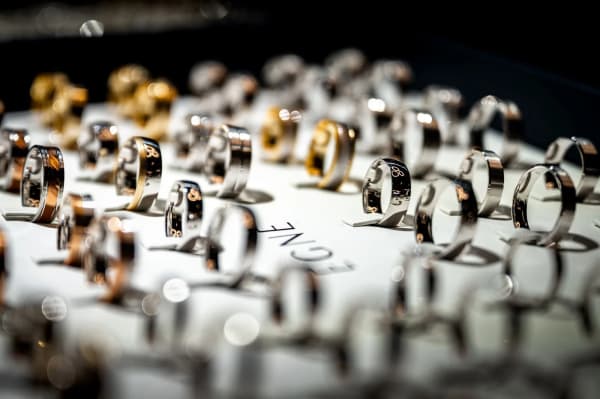
Selling a ring is where resale prices surprise people most. Jewelry is marked up heavily at retail, so offers for a used ring usually come in well below what was paid. Knowing what you have before you sell is the best protection.
Start with an independent appraisal or, for a diamond, a grading report from a recognized laboratory, and gather the original receipt and any certificates. Our lab-grown vs natural diamonds guide explains how to read the report, including GIA's newer lab-grown categories. Then compare options. A private sale may bring the most money but requires care with strangers and payment. Some jewelers buy used rings or take them on consignment, which is safer but pays less. Pawn shops and secondhand dealers pay the least but pay quickly.
Utah regulates those last two closely. State law requires pawn and secondhand businesses to record each transaction and send the information to a statewide database that law enforcement can search, so expect to show identification and have the item documented. Our guide to pawn shops in Utah Valley explains how that system works in detail.
Buying a Pre-Owned Ring
A pre-owned ring can save a great deal, but it calls for extra checking. Ask for a grading report or an independent appraisal, and if the seller has none, have the ring examined by a jeweler you choose before you pay. Confirm that any report matches the stone, and budget for resizing, which is common with a secondhand ring.
Buy from a jeweler with a return policy when you can, since a private sale usually has none. Our guide to engagement rings and jewelers in Utah Valley covers the local jewelers.
When to Buy and When to Sell
Timing affects both price and choice. Brides planning summer weddings start shopping months ahead, so spring is a busy time for gown shopping and a good time to list. If you are selling, list soon after your wedding, while the style is current and the dress is freshly cleaned. If you are buying, looking outside the busiest season can bring better prices and more willing sellers.
Décor follows the wedding calendar too. Secondhand décor tends to pile up after the busy summer season, when the year's couples clear out their garages.
Staying Safe When You Buy or Sell Privately
Private sales are where most of the savings are, and where most of the scams are. A few habits protect both buyers and sellers. Meet in a public place for try-ons and exchanges when you can, and bring a friend if you go to someone's home. See and try on a dress before you pay. Avoid wire transfers, gift cards and checks for more than the asking price, which are the hallmarks of common overpayment scams.
Be wary of listings with prices that seem too good to be true, sellers who will not meet or show the item, and buyers who insist on shipping to a distant address. For rings and other high-value items, meeting at a bank or jeweler adds a layer of safety. Our guide to yard-sale season in Utah Valley covers more of the valley's secondhand habits.
The Short Version
Utah Valley's many weddings and tight budgets support a busy market in used wedding dresses, décor and rings. Buy a used gown through consignment and resale shops, rental shops, thrift stores such as Deseret Industries, local classifieds and national marketplaces, and inspect it and try it on before you pay. Sell privately for the most money, or consign for convenience, but get a signed agreement covering your share, the payout schedule, record-keeping, cleaning, damage and how to get your dress back. Resell décor as a bundle soon after the wedding. For rings, get an appraisal first, compare private sale, jeweler and pawn offers, and expect Utah's secondhand law to require ID and a recorded transaction.
Related Guides
- Wedding Dress Shops in Utah Valley
- Wedding Rentals in Utah Valley
- The Utah Valley Wedding Budget
- Engagement Rings and Jewelers in Utah Valley
- Pawn Shops in Utah Valley
- Thrift and Vintage Shopping in Provo and Orem
Frequently Asked Questions
Where can I buy a used wedding dress in Utah Valley?
How does wedding dress consignment work?
What should I get in writing before consigning my wedding dress?
Where can I complain about a consignment shop in Utah?
How much can I sell my used wedding dress for?
How do I sell an engagement ring in Utah?
Can I resell wedding décor after the wedding?
Is it safe to buy a wedding dress from a stranger online?
Sources
The facts in this guide were checked against these sources. Hours, fees and rules change, so confirm anything time-sensitive with the source before you go. How we make Provo.com.
- Utah Code 13-32a-104, Utah Legislature. Checked October 12, 2026.
- Anonymous donor gives 1,000 wedding dresses to Provo DI store, The Daily Universe (BYU). Checked October 12, 2026.