
Radon is a colorless, odorless radioactive gas that seeps into homes from the ground, and the only way to know whether your house has it is to test. Utah's Department of Environmental Quality says 1 in 3 Utah homes have elevated radon levels. A test costs about $11 from the state. This page covers testing, what the result means, mitigation, and how radon is handled when a Utah County home is bought or sold. We read Utah DEQ's radon pages on October 20, 2026.
This is general information, not medical or legal advice. For the health side, talk to your doctor; for a contract, talk to your agent or attorney.
Testing, the cheap part
Utah DEQ sells a short-term test kit for about $11, including the lab's processing fee (a DEQ story put it at $10.95; it says comparable kits run about $50 at stores). To use it:
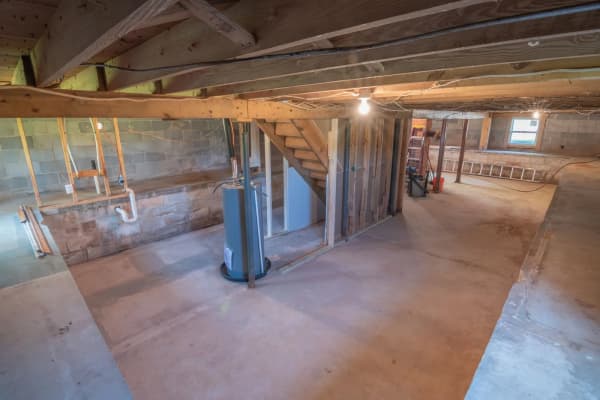
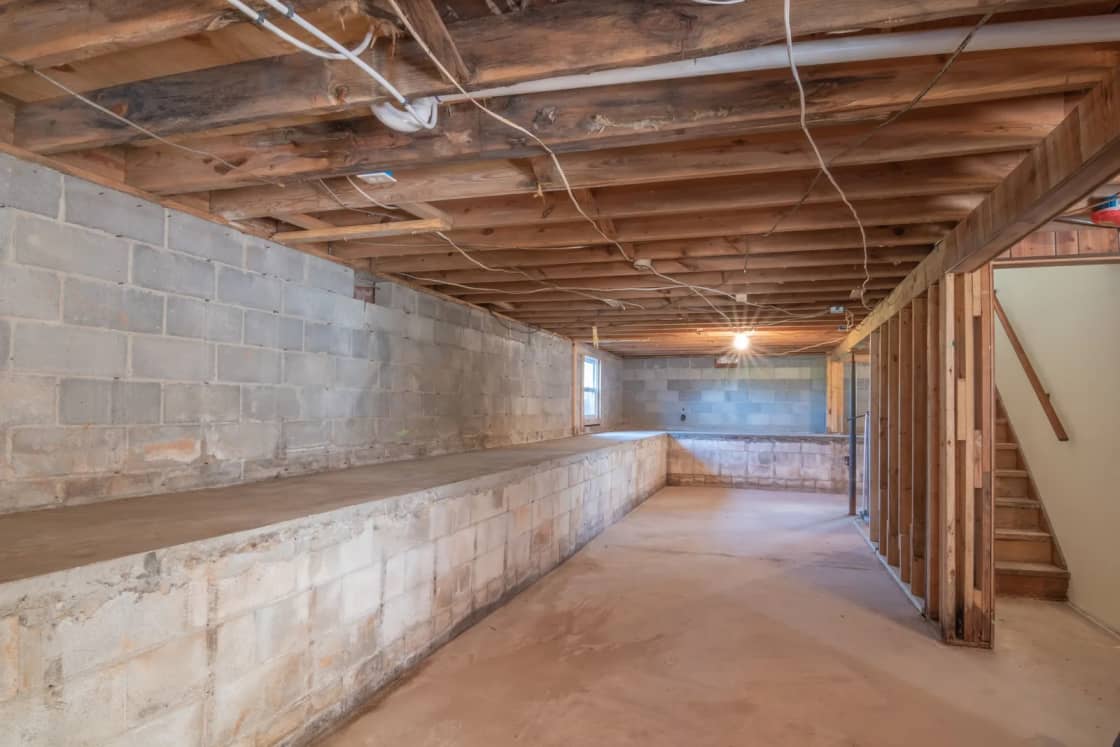
- Place it in the lowest level of the home you live in, usually the basement.
- Leave it two to four days, following the package directions.
- Mail it to the lab. Results come back by email.
For a test during a home sale, DEQ describes a short-term test of at least 48 hours with the house closed for 12 hours before and during the test.
Retest if you start using a lower level more, such as after finishing a basement.
What the number means
Radon is measured in picocuries per liter of air (pCi/L).
| Result | What the guidance says |
|---|---|
| Below 4 pCi/L | Below the EPA and Utah action level |
| 4 to 6 pCi/L | Utah DEQ suggests a long-term test to confirm |
| Above 4 pCi/L | EPA and Utah suggest considering mitigation; DEQ says to contact a certified mitigation professional |
The American Lung Association, in 2023, said mitigation should be considered above 2 pCi/L, a stricter line than the EPA's.
Mitigation, the expensive part
Mitigation typically involves sealing cracks and adding a vent pipe, installed by a certified professional. Utah DEQ's real estate page gives an average cost of $1,800, and a national average of about $1,200 in its FAQ; a separate DEQ story cites about $1,500. A system can usually be installed in a day, and DEQ advises waiting 24 hours before retesting.
Radon when you buy or sell in Utah
Disclosure. Utah's Seller's Property Disclosure asks: "Are there any hazardous conditions on the Property such as Radon gas in house or well?" The seller answers Yes, No or Do Not Know, to their actual knowledge, and must disclose important changes before closing.
Testing. There is no Utah law requiring a radon test at resale. DEQ advises buyers to request one, usually during the home inspection. Our home inspection guide notes that radon is excluded from a standard inspection unless you order it.
Who fixes it. DEQ is blunt: a seller is not obligated to mitigate, and whether radon is fixed "is strictly a function of negotiations." Its advice for the contract:
- Say who pays and who does the work.
- Write contingencies around acceptable radon levels, not just around testing.
- Funds can be escrowed to fix radon after the buyer moves in.
For sellers, DEQ recommends testing and fixing before listing, which leaves more time to deal with it than waiting for the buyer's inspection. Our buying a home in Provo guide covers where this fits in the due-diligence period.
New construction
Utah DEQ lists radon-resistant construction as one of its program areas. If you are building or buying new, ask the builder whether the home includes radon-resistant construction features; our building a home guide covers the other questions to ask.
Related
Frequently Asked Questions
Is radon a problem in Utah County?
How do I test my home for radon in Utah?
What radon level is too high?
How much does radon mitigation cost in Utah?
Do Utah sellers have to disclose radon?
Who pays to fix radon when buying a house in Utah?
When should a buyer test for radon?
Should I retest after finishing a basement?
Sources
The facts in this guide were checked against these sources. Hours, fees and rules change, so confirm anything time-sensitive with the source before you go. How we make Provo.com.
- Utah Department of Environmental Quality: Radon program, Utah Department of Environmental Quality. Checked October 20, 2026.
- Testing your home for radon, Utah Department of Environmental Quality. Checked October 20, 2026.
- Radon in real estate transactions, Utah Department of Environmental Quality. Checked October 20, 2026.
- How a $10.95 radon test kit saved a Utah resident, Utah Department of Environmental Quality. Checked October 20, 2026.
- 41% of Utah homes have dangerous radon levels, association warns, KSL.com. Checked October 20, 2026.