
Utah Lake fishes like four different lakes depending on the month. In winter it is a dock-and-jig panfish fishery. In spring it is a river-mouth fishery, first for walleye and then for the white bass run. In summer it is one of the best catfish waters in the state. In fall it slows down and comes back to the marinas. This guide follows that year, using the Utah Division of Wildlife Resources' own Utah Lake fishing reports and forecasts from 2020 to 2026 and the 2026 Utah Fishing Guidebook.
For the wider picture of fishing around Provo, including the river and the reservoirs, see our fishing near Provo guide. This page is only the lake.
The lake in brief
| Size | 96,600 surface acres, per the DWR |
| Average depth | About 9.8 feet |
| Main species | Channel catfish, walleye, white bass, black bass, panfish |
| Protected | June sucker (threatened; release all suckers) |
| Invasive | Northern pike (kill untagged pike) |
| Main public access | Utah Lake State Park, 801-375-0731 |
The DWR describes the lake as "highly turbid," with a bottom of mud and silt, and warns that access at some points can be difficult because of vegetation. Our Utah Lake marinas guide covers where to launch and which ramps get shallow in a low-water year.
Winter (December to February): the docks
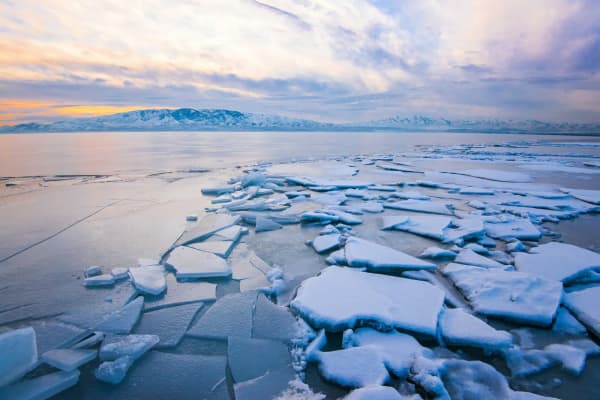
What the DWR says to expect: ice begins forming in the marinas and harbors and in Provo Bay (Mud Lake) in late December into January. "Most, if not all," marinas have fishable ice, at least 4 inches, around the first part of January, and marina ice averages 4 to 6 inches through January.
What bites: white bass, yellow perch, black crappie and bluegill, through the ice in the marinas.
How: small jigs, 1/16 to 1/32 ounce, tipped with nightcrawler, mealworm or wax worm. In earlier reports the DWR noted orange, chartreuse and white ice jigs working, jigged vertically.
Where: under and beside the marina docks. The DWR says anglers "typically fish from the docks" because it is a safer strategy and the docks give fish structure and cover.
Open water in winter: the main lake is usually slow, but the DWR says white bass can be good "particularly around the Lincoln Beach warm spring." From late January into February, the tributaries, which the DWR lists as the Provo River Delta and Lower Provo River, Powell Slough, Mill Race and Lower Hobble Creek, can be fair to good for largemouth bass, crappie, bluegill, white bass and northern pike on tube jigs, marabou jigs, finesse baits, natural baits and inline spinners.
The ice warning, in the DWR's words: the lake "can completely freeze over, but ice thickness and ice conditions vary wildly," with moving sheets and ice stacking that open up large areas of water. "Use extreme caution, particularly if/when fishing outside the marinas." Early-season reports often describe marina ice of an inch or less as "extremely unsafe." Utah's fishing rules limit ice-fishing holes to 12 inches wide everywhere except Bear Lake, Flaming Gorge and Fish Lake, so the limit applies here.
Before you step onto any ice, read our Utah Lake in winter guide for the state's thickness rules, and our ice fishing near Provo guide for waters that freeze more reliably.
Early spring (March to April): walleye at the river mouths
When: the DWR says Utah walleye "typically spawn in March through April," moving into the tributaries.
Where: reports have noted success at Sandy Beach, where the Spanish Fork River enters the lake, and at the Provo River inlet at Utah Lake State Park, mostly in late evenings and early mornings.
How: the DWR is candid that walleye preferences on Utah Lake are "highly varied," but it calls one method "fairly effective and commonly used": a 1/8- to 1/4-ounce jig fished slowly along the bottom with a 2- to 3-inch curly tail grub. Colors it has named include Junebug, Junebug/chartreuse, fire tiger, Tequila sunrise, lemon meringue and "Wally World." Its advice is to keep the jig close to, or touching, the bottom the whole retrieve.
The rule you cannot miss: Utah Lake tributaries are closed to the possession of walleye from March 1 through 6 a.m. on the first Saturday of May. You can fish there, but every walleye goes back. The DWR asks anglers who see violations to report them to its UTiP hotline, 1-800-662-3337.
Also in early spring: the lake is usually ice free by late February or March. Main-lake fishing is often slow to fair, with white bass, catfish and carp on nightcrawlers, and the tributaries pick up for largemouth bass on finesse jigs and soft plastics. Pike are caught in the tributaries too, especially Lower Hobble Creek, Mill Race and the Lower Provo River.
Late spring (late April to June): the white bass run
This is the event the lake is known for, and the best shore fishing of the year for anyone without a boat.
When: in the DWR's dated reports:
| Report date | What the DWR said |
|---|---|
| Mar. 29, 2021 | White bass "3 to 4 weeks away" from the spawn |
| Apr. 30, 2021 | White bass near river mouths increasing, "generally still low"; higher densities expected "as we approach the middle of May" |
| Apr. 1, 2022 | Still "3 to 4 weeks away from when they typically begin moving into the tributaries" |
| May 19, 2022 | White bass "beginning to make their way into the tributaries to spawn" |
| May 25, 2023 | White bass moving into tributaries; "fair to good" catch rates overall |
| June 8, 2023 | White bass bite "sporadic," fair in tributary areas |
The pattern: the run usually builds from late April into May and tapers through June, but it moves with the water temperature each year. Check the DWR's current report before you go.
Where: the DWR names the Lower Provo River at Utah Lake State Park, above and below the West Center Street bridge, as "typically a hotspot when white bass are spawning."
How: the DWR recommends 1/16- to 1/8-ounce jig heads with white or chartreuse soft-plastic curly tail grubs.
Limits: there is no limit on white bass, and Utah's guidebook allows dead white bass to be used as bait only in Utah Lake and the Jordan River. White bass may also be taken by underwater spearfishing in Utah Lake and in several tributaries west of I-15 (not the Provo River or the delta).
Share the river with the June sucker. The June sucker spawns in the same tributaries in May and June, with the Lower Provo River seeing the highest concentration, according to the DWR. It is federally threatened. Release every sucker immediately. If you are not sure what you caught, our Utah Lake ecology for kids page explains the fish and why it matters.
Carp and bowfishing. Carp spawn in the shallows in late spring, and the DWR's reports list bowfishing success at Goshen Bay, Lincoln Beach, Provo Bay, Lower Hobble Creek, Powell Slough North, Vineyard Beach, North Lake Park and Inlet Park. Note the rule: Utah Lake tributaries are closed to nighttime bowfishing (sunset to sunrise) from the first Saturday of May through 6 a.m. on the second Saturday of July. The Utah Lake Authority's spring Great Carp Hunt tournament pays a bounty per carp.
Summer (June to August): catfish
What the DWR says to expect: "fair to good fishing for black bullhead and channel catfish all throughout the lake."
Where: rocky shorelines, areas with structure and the outer edges of weed lines. In 2022 the DWR noted good catch rates at the Lincoln Beach and Lincoln Point area on fresh carp cut bait. Boat anglers did well drift-trolling with a Santee-Cooper or basic three-way rig along drop-offs.
When: midday is typically fair; mornings, late evenings and nights are better. The DWR's own warning about summer nights: mosquito swarms at dusk "can be overwhelming," so it suggests night anglers head out after about 10 to 10:30 p.m., when they die down.
Bait: nightcrawlers, shrimp, and fresh white bass or carp cut bait. "Fresh white bass meat does seem to be working best for a lot of anglers," the DWR wrote in its 2026 summer forecast.
Rigging, per the DWR: fish the bait suspended off the bottom on a float, slip-float or Santee-Cooper rig, or on the bottom with no weight or a classic slip-sinker rig. Use a larger bait-holder or circle/octopus hook with heavy line, because the average Utah Lake channel catfish is 4 to 6 pounds. Add a swivel and a 6- to 15-inch leader, snell the hook, and keep the hook point exposed and the gap open rather than loading the hook with bait.
Limit: the statewide channel catfish limit is 8.
The summer caution: algae. Harmful algal blooms are common in late summer. On July 30, 2026, the DWR's Utah Lake page carried a lake-wide warning advisory from the Division of Water Quality. Advisories are about contact with the water; check before wading or launching, and see our algal bloom guide. The Utah Lake Authority also advises cleaning fish thoroughly and discarding the guts during blooms.
Fall (September to November): back to the marinas
What bites: white bass, bluegill, crappie and channel catfish, often inside the Utah Lake State Park marina and the river inlet channel, the DWR reported in fall 2021.
How: weighted jig heads, 1/8 or 1/16 ounce, tipped with a piece of nightcrawler for white bass and panfish; or nightcrawler, shoepeg corn or fresh white bass meat on a small float rig 10 to 15 inches under a bobber. Size 4 or 6 hooks work well.
Catfish slow down. As the water cools, the DWR says, "fresh baits tend to become more productive than stink baits and livers," so switch to fresh white bass or carp. Boat anglers had better luck slowly drift-trolling in deeper water.
Walleye: in October 2020 the DWR reported good fishing for white bass and catfish but "slow fishing for walleye using curly tail jigs."
Two fall cautions from the DWR:
- Hunters. Fall brings heavy waterfowl and pheasant hunting on the Lower Hobble Creek, Mill Race and Powell Slough North wildlife areas. The DWR advises anglers there to be careful and wear bright, high-visibility clothing.
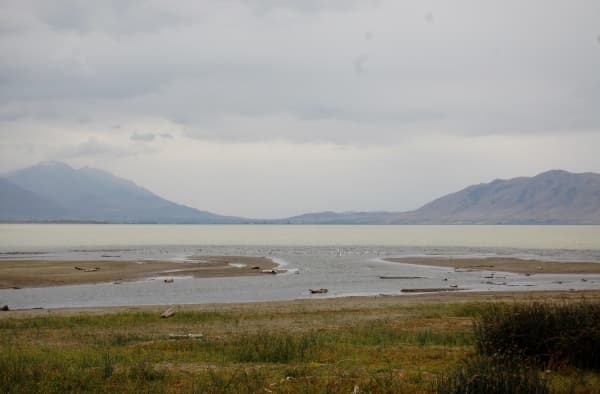
- Low water and mud. In drought years, low water limits launching, and the DWR has warned that Goshen Bay and Provo Bay can get extremely shallow and that "Utah Lake mud is deceptively deep and dangerous." Boats have been stranded on sandbars.
By late November, in a cold year, the marinas may start to skim with ice, which the DWR described in 2022 as an inch thick or less and "extremely unsafe."
The rules, in one place
From the 2026 Utah Fishing Guidebook and the DWR's Utah Lake page:
| Species | Utah Lake rule |
|---|---|
| Largemouth and smallmouth bass | 6 combined, only 1 over 12 inches |
| White bass | No limit |
| Walleye | Statewide limit: 10, only 1 over 24 inches; tributaries closed to possession March 1 to first Saturday of May |
| Channel catfish | Statewide limit: 8 |
| Northern pike | No limit; untagged pike must be killed; release and report tagged pike |
| All suckers, including June sucker | Release immediately |
You need a Utah fishing license; our fishing and hunting licenses guide covers the types and costs.
Eating your catch
Utah's Department of Environmental Quality lists one current fish consumption advisory for Utah Lake: channel catfish, for PCBs.
| Who | Channel catfish from Utah Lake |
|---|---|
| Adults | Limit to two 6-ounce servings a month |
| Women 16 to 50 planning pregnancy, and youth 6 to 16 | Limit to two 6-ounce servings a month |
| Pregnant or nursing women, and children under 6 | Do not eat |
The Utah Lake Authority's FAQ page describes an older, broader advisory that included carp, walleye, white bass and bullhead, and in the same FAQ says walleye and white bass have no advisory. The state's current list is the one to follow, and it changes as new testing comes in, so check DEQ's fish advisory page each season.
Before you go
- Read the current DWR report for Utah Lake in the DWR's Fish Utah map; reports are dated, and some go months without an update.
- Check the state park's cameras and conditions for ice, wind and algae.
- Pick the season's spot: marina docks in winter, river mouths in spring, rocky shoreline and weed edges in summer, the state park marina and inlet channel in fall.
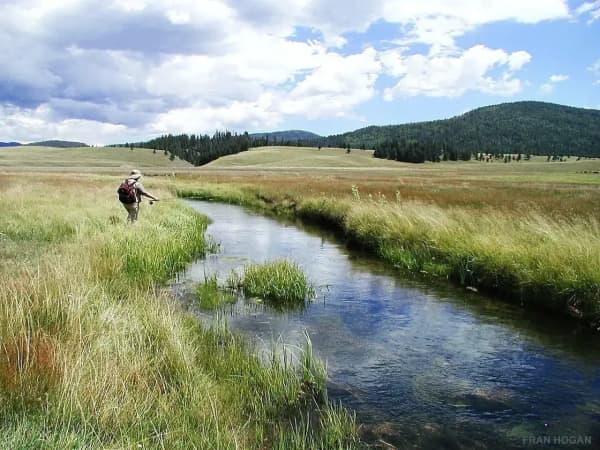
For a fly rod instead, the river that feeds the white bass run has its own guide: the lower Provo River.
Frequently Asked Questions
When is the white bass run on Utah Lake?
When do walleye spawn in Utah Lake?
What is the best time to catch catfish on Utah Lake?
Can you ice fish on Utah Lake?
What are the limits on Utah Lake?
Is it safe to eat fish from Utah Lake?
What should I do if I catch a June sucker?
What should I do if I catch a northern pike in Utah Lake?
Sources
The facts in this guide were checked against these sources. Hours, fees and rules change, so confirm anything time-sensitive with the source before you go. How we make Provo.com.
- Fish Utah: Utah Lake waterbody page and DWR fishing reports, 2020-2026, Utah Division of Wildlife Resources. Checked October 20, 2026.
- 2026 Utah Fishing Guidebook, Utah Division of Wildlife Resources. Checked October 20, 2026.
- Utah Wildlife Board approves several changes to fishing regulations, Utah Division of Wildlife Resources. Checked October 20, 2026.
- Fish Consumption Advisories, Utah Department of Environmental Quality. Checked October 20, 2026.
- Utah Lake Frequently Asked Questions (fishing, advisories), Utah Lake Authority. Checked October 20, 2026.
- The Great Carp Hunt, Utah Lake Authority. Checked October 20, 2026.
- Utah Lake State Park, Utah State Parks. Checked October 20, 2026.