
Every summer, a familiar question goes around Utah County: is the lake okay today? Utah Lake is the largest natural freshwater lake in the state and the valley's biggest playground, used for boating, paddling, fishing and dog walks, and it is also a warm, shallow lake that grows harmful algal blooms in the heat of late summer. Some years the blooms are minor and short-lived; in others, parts of the lake spend weeks under advisory. For anyone planning a day on the water, knowing how the advisory system works is as practical as checking the wind.
This guide explains what harmful algal blooms are, why Utah Lake is prone to them, what each advisory level means for swimming, boating, fishing and dogs, how to check conditions before you go, and what to do if you or a pet are exposed. It draws on the Utah Department of Environmental Quality's recreational water quality program, which monitors the lake and publishes the advisories. Conditions change quickly, so always check the current map on the day you go.
The Short Answer
Harmful algal blooms are caused by cyanobacteria, and on Utah Lake they are most likely in late summer and early fall. Before any trip that involves touching the water, check the state's map at habs.utah.gov. There are three advisory levels: a Health Watch, a Warning Advisory and a Danger Advisory. Under a watch or warning, don't swim, water-ski or swallow the water, avoid scum when boating, keep animals out and clean fish well; under a danger advisory, don't boat either, and the water is often closed. Dogs are the most vulnerable. If you see a bloom, stay out, take photos and report it at 801-536-4123.
What a Harmful Algal Bloom Is
Despite the name, harmful algal blooms are not really algae. The Department of Environmental Quality explains that they are caused by cyanobacteria, microscopic organisms that photosynthesize like plants. When conditions are right, cyanobacteria multiply quickly and form visible colonies of millions of cells, which is what a bloom is.
The department describes two kinds of harmful growth:
Harmful algal blooms, also called HABs, blue-green algae or cyanobacteria blooms, float in the water and on its surface.
Harmful algae mats, also called benthic mats, grow on the bottom and can break loose and wash ashore.
Not every bloom is toxic, but the state warns that some cyanobacteria produce toxins that can cause illness and damage the kidneys, the liver or the nervous system. The trouble is that you cannot tell a toxic bloom from a harmless one by looking at it, which is why the state tests and why the advisories exist.
Why Utah Lake Is Prone to Blooms
The state lists the conditions that produce harmful algal blooms: high nutrient levels, especially phosphorus; abundant sunlight; warm temperatures; and stagnant or slow-moving water. When those conditions last for several days, cyanobacteria can multiply into large blooms. The department notes that these conditions are most common in late summer and early fall.
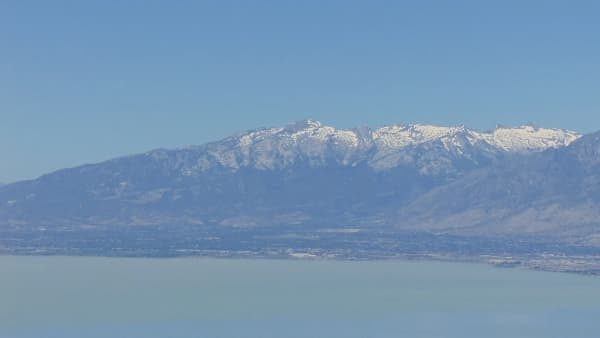
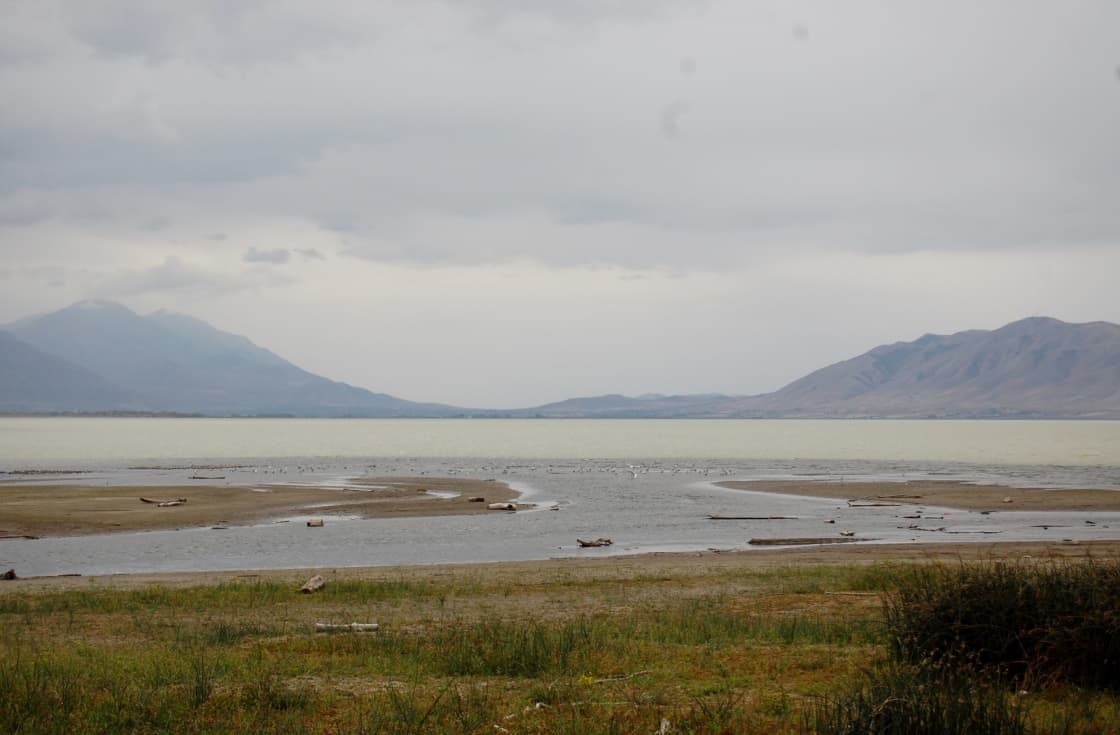
Utah Lake fits the pattern well. It is enormous but shallow, spread over roughly ninety-six thousand acres, so it warms quickly in summer and holds that heat. It receives nutrients from its surrounding watershed. And its shallowness and wind-stirred, naturally cloudy water shape how and when blooms develop. Our paddling guide describes research suggesting that the lake's natural murk, rather than nutrients alone, is a large part of what limits algal growth, which is one reason blooms can appear during calmer, clearer spells.
Blooms are not spread evenly across the lake. Sheltered bays, marinas and shallow shorelines tend to see them first, where water is warm and still. Our guide to Lincoln Beach, on the lake's south shore, notes that it has a long history of advisories.
The Three Advisory Levels
The Department of Environmental Quality explains that local health departments issue advisories when harmful algal blooms or waterborne pathogens make a water body dangerous for people and animals. There are three levels.
Health Watch. The state says a Health Watch usually means there is evidence that waterborne pathogens are present or that a harmful algal bloom is developing. It is the first step, and a signal to take care.
Warning Advisory. A Warning Advisory usually means a threshold set by the Utah Department of Health and Human Services has been exceeded, which the state calls a strong indication that pathogens or a harmful algal bloom are present.
For both a watch and a warning, the state's guidance is the same: do not swim or water-ski, and do not drink the water or get it in your mouth. If the advisory is for a harmful algal bloom, avoid areas of scum when boating, keep animals away, and clean fish well and discard the guts.
Danger Advisory. A Danger Advisory means a health threshold has been exceeded for harmful algal blooms, because the bloom has become very large, high levels of dangerous toxins have been measured, or both. The state notes that a water body is often temporarily closed as part of a danger advisory. The guidance adds a prohibition on boating: do not swim or water-ski, do not drink the water or get it in your mouth, do not boat, and keep animals away. It also urges caution with fishing, because the effects of these toxins on aquatic life are not well understood; if you choose to fish, clean fish well and discard the guts.
How to Check Before You Go
Start with the state's map. The Department of Environmental Quality's recreational water quality site, habs.utah.gov, shows current advisories on a statewide map, color-coded by level, and has a monitoring page for each priority water body, including Utah Lake. Check it the day you go, not the day before, since conditions can change quickly.
Read the site-specific page. Advisories on a large lake can apply to particular areas rather than the whole lake, and the Utah Lake page typically shows where samples were taken and what was found.
Look for signs at the shore. Health departments often post advisory signs at beaches, boat ramps and marinas. Obey them even if the map has not updated yet.
Use your eyes, too. Even without an advisory, the state's advice is to stay out of water that looks like it has a bloom. When in doubt, stay out.
It helps to understand where the data come from. The state explains that Division of Water Quality staff routinely monitor priority lakes, reservoirs and rivers, generally visiting them about once a month from May through October, and post updates on each site's page. It also shares updates from partners, including local health departments, national parks and Utah Water Watch, a volunteer monitoring program. During the season, sampling crews prioritize water bodies based on health risk and verified reports, which is why public reports matter.
How to Spot a Bloom
The state offers a simple set of rules for anyone who suspects a bloom.
Don't swim in water that appears to have a bloom. Blooms often look like green or blue-green scum, spilled paint or pea soup, sometimes with streaks, foam or clumps along the shore.
Don't boat, tube, water-ski or ride a jet ski through scummy water. The state warns that these activities can send toxins into the air, making it more likely that you will inhale them.
Don't let children play with scum in the water or along the shore.
Don't let pets or livestock swim in or drink from scummy water.
Take photos and report it by calling the state's bloom line at 801-536-4123.
Remember that appearance is an imperfect guide in both directions. Plenty of green water is harmless, and water with dangerous toxin levels does not always look dramatic. The advisory map is the real test.
Activity by Activity
Swimming and wading. Skip it under any advisory. This is the activity the advisories are most directly about.
Paddleboarding and kayaking. Treat these as contact recreation, because paddlers fall in, splash and handle wet gear. Our paddling guide makes the same point: paddlers fall in, which makes paddling contact recreation rather than boating.
Motorized boating and sailing. Allowed under a watch or warning by the state's guidance, as long as you avoid scum, keep people from swimming or water-skiing, and keep water out of mouths. Under a danger advisory, stay off the water.
Fishing. Allowed with care under a watch or warning; clean fish well and discard the guts. Under a danger advisory, use caution, since the effects on aquatic life are not well understood. Our fishing guide notes that the advisories concern contact with the water rather than the presence of fish.
Dogs. Keep them out of the water under any advisory, and see the next section.
Beach play and sand. Keep children away from scum along the shoreline, where blooms often wash up and concentrate.
Waterfowl hunting. The state notes that blooms may occur during waterfowl hunting season and publishes separate advice for hunters and for keeping hunting dogs safe.
Dogs Are the Most Vulnerable
If you remember one thing from this guide, make it this. The Department of Environmental Quality says pets are more sensitive to cyanotoxins than people, may swallow large amounts of cyanobacteria by drinking the water, and are more likely to become very ill or die. Dogs are particularly at risk because scum clings to their coats and is swallowed when they lick themselves clean.
That makes a dog in the water always contact recreation, even when boating is still permitted. Keep dogs on a leash near the shore in bloom season, bring fresh water so they are not tempted to drink from the lake, and if a dog does get into affected water, rinse it thoroughly with clean water right away and call a veterinarian. Our guide to dog parks and pet life in Provo covers other safe water options for dogs.
Children
The state also singles out children. They are more likely than adults to swallow water while playing, and because they weigh less, a smaller amount of toxin can affect them more. At the beach in bloom season, keep children out of the water under any advisory, keep them away from scum on the shore, and wash hands before snacks.
If You Are Exposed
The state lists the symptoms that people or animals exposed to cyanotoxins may experience.
From skin contact or breathing spray: skin, eye, nose and throat irritation, and respiratory irritation.
From swallowing water: abdominal pain, headache, neurological symptoms, vomiting, diarrhea, and kidney or liver damage.
If you think you have been exposed, rinse off with clean water and call Utah Poison Control at 1-800-222-1222, which can advise on whether you need further medical care. For a pet, rinse it and call a veterinarian at once; symptoms in animals can progress quickly.
It Is Not Only Algae: Waterborne Pathogens
The same advisory system covers a second hazard. The state also monitors for waterborne pathogens, measured using E. coli, which can make swimmers sick. It lists common causes: people who swim while sick with diarrhea or vomiting; waste from dogs, livestock, waterfowl and wildlife; sewage spills and leaky septic tanks; stormwater runoff after heavy rain; agricultural runoff from fields treated with manure; and waste discharged from boats. Symptoms include diarrhea, vomiting, nausea, stomach cramps, fever and rash.
A few habits reduce the risk for everyone: don't swim when you are sick, avoid swimming for a day or two after a heavy storm, keep your mouth closed in the water, pick up after your dog, and shower after swimming.
Drinking Water
Harmful algal blooms can affect drinking water supplies as well as recreation, and the state maintains a separate set of answers to common questions about drinking water. Never drink untreated lake water, and if you have questions about your tap water, contact your water provider.
Common Misconceptions
Murky water means toxic water. Not on Utah Lake. The lake is naturally cloudy because wind stirs its shallow bed, and that murk is not a sign of a bloom. Our paddling guide explains why the lake's natural turbidity is normal.
Clear water means safe water. Also not reliable. Toxin levels can be high without dramatic scum, and a bloom can drift in on the wind in an afternoon. The advisory map is the only real test.
An advisory closes the whole lake. Sometimes it covers particular areas, sometimes more. Read the Utah Lake monitoring page to see which sites are affected, and follow any signs where you are.
Boiling makes lake water safe to drink. No. Never drink untreated lake water, bloom or no bloom; boiling kills many germs but is not a fix for cyanotoxins.
Fish from an advisory area are poisonous. The state's guidance is about handling rather than a ban: clean fish well and discard the guts, and use extra caution under a danger advisory, when the effects on aquatic life are less understood.
Planning a Lake Day Around the Advisories
Bloom season does not have to wreck a summer on the water. It just calls for a backup plan.
Check the morning of, and have a second choice. If Utah Lake is under an advisory where you planned to go, look at the rest of the map; the mountain reservoirs are colder and often unaffected, though they are monitored too.
Choose activities that keep you out of the water. Motorboating under a watch or warning, shoreline walks, birdwatching and sunset picnics are all good ways to enjoy the lake when swimming is off the table. Our guide to birdwatching at Utah Lake and the Provo River Delta covers the best spots.
Bring clean water. Pack drinking water for people and dogs, and a jug to rinse off anyone who gets splashed.
Keep early-summer plans flexible. Advisories are most common late in the season, but a hot spell can bring an early bloom, and a cold, windy week can clear one. Treat any plan as provisional until you have checked the map.
Report what you see. If you notice scum or discolored water that is not on the map, take photos and call the state's bloom line. Crews use public reports to decide where to sample next, which helps everyone who uses the lake.
Other Waters Near the Valley
Utah Lake is not the only water body that blooms. The state monitors reservoirs and lakes across Utah, and our guide to Deer Creek and Jordanelle notes that blooms have affected parts of Deer Creek in some summers. The same map covers them all, so the check you do for Utah Lake works anywhere.
The Short Version
Harmful algal blooms on Utah Lake come from cyanobacteria and are most likely in late summer and early fall, when the shallow lake is warm and still. Check habs.utah.gov the day you go. Under a Health Watch or Warning Advisory, don't swim, water-ski or swallow the water, avoid scum when boating, keep animals out and clean fish well; under a Danger Advisory, don't boat either, and expect closures. Keep dogs and children away from scum, rinse off after any contact, call Utah Poison Control at 1-800-222-1222 with questions, and report suspected blooms with photos at 801-536-4123.
Related Guides
- Utah Lake: The Complete Guide
- Lincoln Beach on Utah Lake
- Kayaking and Paddleboarding Near Provo
- Boat, Jet-Ski and Paddle Rentals in Utah Valley
- Fishing Near Provo
- Dog Parks and Pet Life in Provo
- Deer Creek and Jordanelle
Frequently Asked Questions
When is algal bloom season on Utah Lake?
How do I check whether Utah Lake is under an algal bloom advisory?
What is the difference between a Health Watch, a Warning Advisory and a Danger Advisory?
Can I boat on Utah Lake during an algal bloom advisory?
Is Utah Lake algae dangerous for dogs?
What does a harmful algal bloom look like?
What should I do if I swam in water with an algal bloom?
How do I report a suspected algal bloom?
Sources
The facts in this guide were checked against these sources. Hours, fees and rules change, so confirm anything time-sensitive with the source before you go. How we make Provo.com.
- Recreational Water Quality, Utah Department of Environmental Quality. Checked October 12, 2026.
- Frequently Asked Questions, Utah Lake Authority. Checked October 12, 2026.