
A library card in Utah Valley is worth more than most people realize. The books, the ebooks and the story times are the obvious part. Less obvious are the things libraries now lend that are not books at all: passes that get a family into a museum for free, telescopes and binoculars, bike repair kits, games and discovery kits, and, for one month a year in Provo, discounts at dozens of local businesses for anyone who shows a card.
The catch is that none of this is organized countywide. Utah County has no county library system, so every city library decides for itself what to lend and who may borrow it. This guide covers what we could confirm at the valley's libraries, explains how library passes generally work, sets out what happened to the state parks pass that many people remember, and shows how to find what your own library offers. Passes and programs change often, so treat everything here as a starting point and check your library's catalog before you plan a day around it.
The Short Answer
The best pass we confirmed is at the Spanish Fork Public Library, which circulates a Thanksgiving Point pass covering free general admission for up to eight guests at the Lehi campus's museums and gardens. Provo City Library runs a Library of Things that lists a circulating family pass to the Neighborhood Art Center along with telescopes, binoculars, a bike repair kit and much more, and in September it runs Check Out Provo, in which local businesses give discounts to cardholders. A state parks pass from the library is worth asking about, but we could not confirm a current program. Everywhere else, search your library's catalog for the word "pass" and ask at the desk.
How Library Passes Work
Library passes follow a common pattern, though the details differ by library and by pass.
A library buys or is given a pass to an attraction, often a membership-style card, and adds it to its catalog like any other item. Some passes are donated or sponsored by the attraction itself as community outreach.
Cardholders borrow it for a short period, often around a week, and use it to get in free or at a discount. Popular passes usually have long waiting lists, so many libraries let you place a hold, while others lend them first come, first served.
Rules travel with the pass. Typical conditions include a cap on the number of guests, admission in person only, the card or pass presented at the gate, no renewals, and fees if the pass comes back late or not at all. Some passes can be used only once per checkout, even if you keep them for a week. Blackout dates for special events are common.
Your card must be in good standing. Unpaid fines or an expired card will usually stop a checkout.
Passes usually belong to one library's cardholders. Reciprocal borrowing agreements generally cover ordinary items, and libraries often reserve special items such as passes and equipment for their own cardholders. If you hold a card through a reciprocal arrangement, ask before you plan around a pass.
Spanish Fork Library's Thanksgiving Point Pass
The strongest example in the valley right now is at the Spanish Fork Public Library, on Main Street in downtown Spanish Fork. The library announced a Thanksgiving Point pass that its cardholders can check out, and the city's page for it spells out what it covers.
Free general admission for up to eight guests at the Thanksgiving Point venues the page lists: the Mountain America Museum of Ancient Life, Mountain America Jurassic Jungle, the Butterfly Biosphere, Curiosity Farms, the Museum of Natural Curiosity, the Carousel and Ashton Gardens.
Half off additional guests beyond the eight, per visit.
In-person admission only, with the card present. You cannot use it to book online.
Discounts on food and retail at Thanksgiving Point, and admission to other general-admission events there.
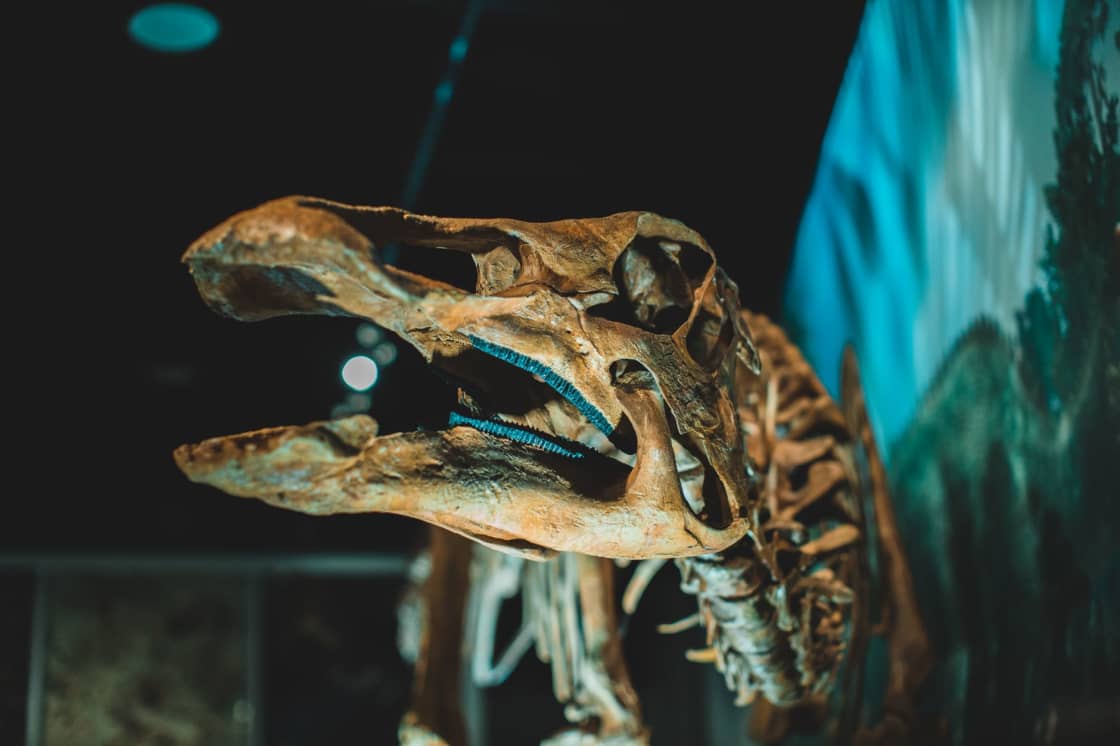
For a family, that is a remarkable value. Thanksgiving Point is the valley's largest ticketed family attraction, a campus in Lehi whose dinosaur halls alone can fill a day, and eight admissions is enough for most families plus grandparents or friends. Our guide to Thanksgiving Point covers each venue, how long each takes and which suit which ages, and our dinosaur museums guide puts the Museum of Ancient Life in context with the valley's other fossil collections.
How to use it well. Check the library's page and catalog for the current checkout period and hold rules before you plan. Decide which venues you will visit, since doing all seven in one day is unrealistic with children. Go on a weekday if you can, because weekends and school holidays are when the campus is busiest. And bring the physical pass and whatever identification the library or venue asks for.
Matching venues to ages. Our Thanksgiving Point guide makes a useful distinction. The Museum of Ancient Life, with its halls of mounted dinosaur skeletons, suits children roughly four to fourteen best, while Curiosity Farms and the Butterfly Biosphere are shorter, calmer and better matched to children under five. Ashton Gardens works for every age and is at its best in spring and fall. With a pass that covers several venues, the smart plan is usually two venues in a day rather than five, and a second checkout later for the rest.
Provo City Library: The Library of Things
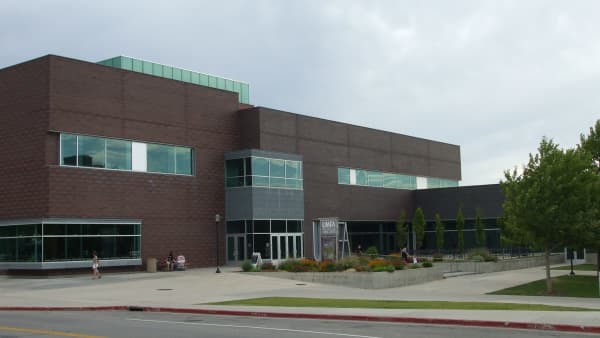
Provo City Library, in the restored Brigham Young Academy building on University Avenue, runs one of the most varied lending programs in the valley. Its Library of Things menu lists far more than media: new DVDs and video games, board games, telescopes and a microscope, home entertainment and audio-visual equipment, discovery kits and toys, crafting supplies, binoculars and a bike repair kit, technology, blood pressure and radon monitor kits, music resources, a seed library, and magazines and newspapers.
The Neighborhood Art Center pass. The same menu lists a circulating family pass to the Neighborhood Art Center, a family art space. In the past the library described the pass as covering free entrance to the center's open-studio time for a small family group once during the week it was checked out. The pass's web page has moved and its terms may have changed, so check the library catalog for the current version before you go.
The Children's Library of Things. The children's collection adds active-learning items such as a crawl tunnel, a field-day games kit, a marble run and a play parachute. The library's page says these circulate for three weeks from the circulation desk, can be placed on hold through the catalog, and must be checked out by a Provo City Library cardholder in good standing, with late fees charged daily.
Why it matters for outings. Binoculars and a telescope turn an ordinary evening into something else. A pair of binoculars makes a morning at the Provo River Delta or a canyon trail far more interesting for children who have never seen a hawk up close, and a telescope makes a dark-sky evening in the west desert worth the drive. Borrowing them first is a sensible way to find out whether your family would use a pair before buying one.
Our family guide to the Provo City Library covers the building itself, the children's floor and the programs, and it is a good companion to this one.
Check Out Provo: September's Library-Card Discounts
In September, which libraries across the country observe as Library Card Sign-Up Month, a library card becomes a discount card in Provo. Provo City Library's Check Out Provo program asks cardholders to show their card, or mention it when booking, at participating businesses. The digital library card counts.
The most recent round was long and varied, and any future list will differ. Restaurants on and around Center Street offered free drinks with a meal or a percentage off the bill. Shops downtown, from a bookstore to a record lounge to clothing and gift stores, offered discounts or a free item with a purchase. Experiences and classes were the most interesting category: a ropes course offered a buy-one-get-one zip tour, a golf club offered half off range balls, a ceramics studio and a pottery studio offered a discounted class and a free work day, a hatchet-throwing venue and a candle-making studio joined in, and a recording studio offered half off a first session. The library itself handed out prizes at the farmers market and at a rooftop concert.
If you have a Provo City Library card, it is worth checking the library's Check Out Provo page in September and planning a few errands and a date night around the list. If you do not have one, September is a good month to get one, since that is when the card is at its most valuable.
The State Parks Pass, and What Happened to It
Many longtime residents remember borrowing a Utah State Parks pass from the library. We could not find a state page describing a library pass program, so treat it as something to ask about rather than something to count on.
Some libraries may still hold passes, and programs of this kind come and go with funding. So ask your library whether a state parks pass is in its catalog. If it is not, the alternative is the state's annual day-use pass, sold by Utah State Parks, which the division has said becomes valid for twelve months from purchase when it is registered in the state parks app, and which carries two signature lines so that two people can use it.
For Utah County families, the most relevant state parks are close. Utah Lake State Park sits on the lake's east shore in Provo, and Deer Creek State Park is a short drive up Provo Canyon. Our outdoors guides cover both.
Other Libraries in the Valley
We checked the websites of several other city libraries in the valley, including Orem, Lehi, American Fork, Pleasant Grove, Springville, Payson, Eagle Mountain, Saratoga Springs and Highland, and could not confirm a public pass program at any of them, though several of those sites were unavailable or incomplete when we looked. That is not the same as saying none exists. Many library websites list only a fraction of what their catalogs hold, and passes are sometimes added quietly as donations arrive.
Search the catalog. Type "pass" into your library's online catalog, and try the name of a specific attraction. Library catalogs usually list passes as items, with the same holds and availability information as a book.
Ask at the desk. Staff know what circulates and what is coming.
Look for a Library of Things. Libraries increasingly lend equipment, from tools and games to technology, and the collection names vary. Provo's is the most extensive we found, but it is worth asking whether your library has anything similar.
Remember the card rules. Utah County has no county-wide system, so the library that owns a pass decides who can borrow it. Provo and Orem residents can hold free cards at both of those libraries, and five north-county libraries, American Fork, Pleasant Grove, Lehi, Highland and Eagle Mountain, share reciprocal borrowing. Our guide to Utah County's libraries explains exactly who can get which card, what nonresident cards cost, and which cities refund part of the fee.
Free Without Any Pass
A library pass matters most for ticketed attractions. Much of what Utah Valley offers is free already.
BYU's campus museums charge no admission: the Museum of Art, the Monte L. Bean Life Science Museum, the Museum of Paleontology and the Museum of Peoples and Cultures. Our guide to Provo's museums covers each, and our guides to the BYU Museum of Art and the Bean Life Science Museum go deeper.
Parks, trails and canyons are free, apart from parking or day-use fees at some trailheads and recreation areas. The valley's paved trails, city parks and splash pads cost nothing.
Free events fill the summer calendar, from concerts in the park to city festivals, and our guide to free things to do in Provo collects the best of them.
Combine those with a library pass or two, and a family can fill a good part of a year of outings for almost nothing.
The Digital Layer on the Same Card
A library card in Utah County also opens a collection that behaves far more like a single system than the physical libraries do. Most of the county's city libraries take part in the Beehive Library Consortium, the shared digital collection used by most Utah public libraries, which you reach through the Libby app for ebooks and audiobooks. A card from nearly any participating library opens the same shared shelves, so for digital borrowing the card you hold matters far less than the fact that you hold one. Above that sits Utah's Online Public Library, the statewide gateway that American Fork's library points its patrons to first. Our guide to Utah County's libraries explains how the two layers fit together.
For families, the digital layer is the easy win. Audiobooks for a long canyon drive, picture books on a tablet while waiting at a practice, and travel guides before a trip all cost nothing with a card, and none of them has a waiting list for a physical pass.
Planning Outings Around What You Borrow
The equipment in a Library of Things is most useful when you plan a trip around it.
Binoculars and birding. Borrow binoculars for a morning at the Provo River Delta or along the Utah Lake shore, where herons, pelicans and waterfowl gather through much of the year. Our guide to birdwatching at Utah Lake and the Provo River Delta covers where to stand and when to go, and Provo City Library itself has run guided birding outings at the delta.
The bike repair kit and the paved trails. A tune-up before a family ride on the Provo River Parkway or another of the valley's paved trails can save an afternoon. Our guide to every paved trail in Utah Valley lists the routes.
The telescope and a dark sky. City lights wash out most of the night sky in the valley, so plan a telescope evening for a clear, moonless night somewhere darker, and check the forecast before you pick up the telescope.
The seed library and the garden. Provo's seed library pairs naturally with a backyard garden, and our guide to farm stands and CSAs covers where to buy local produce for everything you do not grow yourself.
Getting the Most From a Pass
Place holds early. Popular passes can have long waiting lists, especially before school holidays.
Plan around the checkout window. A one-week pass works best when you have a specific day in mind before you borrow it.
Read the fine print before you drive. Guest limits, in-person rules and blackout dates are the usual surprises.
Return it on time. Late passes keep other families waiting, and replacement fees for lost passes can be steep.
Say thank you. Many passes exist because an attraction or a donor chose to support the library. A note to the library helps make the case for keeping them.
If You Do Not Have a Card Yet
Getting a card is usually quick. Bring identification and proof of address to your city's library, or start the application online where the library allows it. Some libraries, including Provo's, offer a digital card, and Check Out Provo accepts it. If your city does not have a library, our library guide explains your options, including nonresident cards, the refunds some cities offer, and the county bookmobile.
The Short Version
Library cards in Utah Valley lend far more than books. Spanish Fork Public Library's Thanksgiving Point pass gets up to eight people into the Lehi campus's museums and gardens free. Provo City Library's Library of Things lends a Neighborhood Art Center family pass, telescopes, binoculars, a bike repair kit and much more, and in September its Check Out Provo program turns a library card into a discount card at local businesses. The state parks library pass many people remember may or may not be at your library now, so ask. Everywhere else, search your catalog for "pass," ask at the desk, and check whether a pass is limited to that library's own cardholders.
Related Guides
-
Dinosaur Museums in Utah Valley
Advertisement
Frequently Asked Questions
Can I get into Thanksgiving Point with a library card?
Does Provo City Library lend passes?
What is Check Out Provo?
Can I still check out a Utah State Parks pass at the library?
Can I borrow a pass from a library where I only have reciprocal borrowing rights?
How long can I keep a library pass?
Do I need a library card from my own city?
Are there museums in Utah Valley that are free without any pass?
Sources
The facts in this guide were checked against these sources. Hours, fees and rules change, so confirm anything time-sensitive with the source before you go. How we make Provo.com.
- Thanksgiving Point Pass | Spanish Fork City, UT, Spanish Fork City Library. Checked October 12, 2026.
- Library of Things - Provo Library, Provo City Library. Checked October 12, 2026.
- Check Out Provo - Provo Library, Provo City Library. Checked October 12, 2026.
- State Park Annual Pass | Day-Use Passes | Parkspass, Utah Division of State Parks. Checked October 12, 2026.