
Every February, a certain kind of Utah County parent opens a spreadsheet. Across the top: the eleven weeks between the last day of school in late May and the first day in mid-August. Down the side: the children. In the cells: camps. The spreadsheet exists because the valley has an unusually deep supply of summer programs — two universities with sprawling camp operations, a rec-center system that runs weekly camps in every city, a museum complex in Lehi that fills its classrooms all summer, a west-side nature school with a ropes course, and gymnastics, ninja, coding and theater outfits by the dozen — and because that supply is claimed early. The best weeks are chosen in February and March. May is for the gaps.
This guide is the map for that spreadsheet: what kinds of camp exist here, who runs them, what they cost, when they open, and how to assemble a summer for a child who is six, ten or fourteen. It does not list every camp — that list would be stale by the time you read it — but it names the categories and the flagship programs in each, and it tells you where each publishes its dates. Prices are from the operators' 2026 pages and are hedged accordingly; every one of them republishes in the winter. For the jobs side of the same summer — the teenager who wants to work at a camp rather than attend one — our summer jobs guide has a section on camp and youth-program hiring.
The Five Kinds of Camp
It helps to sort the valley's camps by who runs them, because that predicts the price, the hours and the registration date better than the subject does.
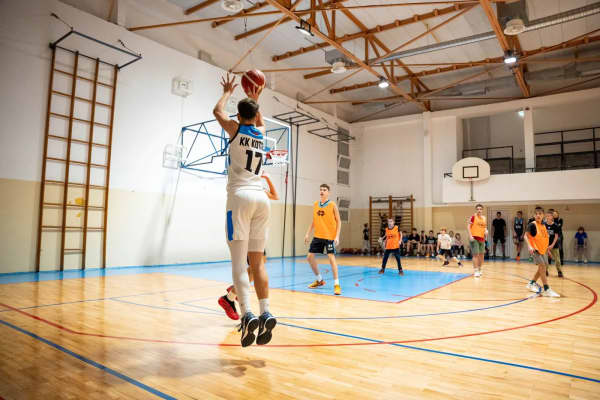
University camps. BYU and UVU each run a large summer operation. BYU's is the bigger: BYU Sports Camps runs sessions in football, basketball, volleyball, soccer, baseball, softball, golf, swimming, track, wrestling and more, most of them three to five days, most with a commuter and a housing option, priced from a few hundred dollars (the 2026 junior football camp for sixth-through-eighth-grade boys listed at $395 commuter, $590 with housing). Alongside them sit BYU's academic and arts camps — a geology field camp that takes twelve-to-eighteen-year-olds to lava tubes and fossil beds around the state, chemistry and engineering weeks, music and theater camps — and the Church's youth conferences, of which EFY on the Provo campus is the famous one. UVU's operation is smaller and more focused on high-school outreach: summer-bridge programs, career and college-exploration weeks, and outside operators (a national volleyball camp brand, for instance) renting its facilities. University camps take children from about eight, skew toward eleven and up, and are the ones out-of-town families send teenagers to.
City recreation camps. Every city's parks and recreation department runs summer camps, and Provo's are the model. In 2026 Provo ran half-day sports camps for six-to-twelve-year-olds, Monday through Thursday, 9 a.m. to noon, at $65 for residents and $75 for non-residents, rotating a sport a week — volleyball at the rec center, soccer at Epic Sports Park, basketball, ultimate frisbee, a field-day week at Franklin Park — from the first week of June to the end of July, with a t-shirt and snacks included; a full-day Summer Adventure Kids Camp with themed weeks for elementary ages out of the Recreation Center; and an outdoor STEM camp run with the school district that bused fourth- and fifth-graders to Big Springs, the river delta and Rock Canyon for four full days at $150. Orem, Lehi, American Fork, Spanish Fork and the rest run their own versions at their own rec centers. City camps are the cheapest, the most local and the least likely to sell out — but the popular weeks still do, and Provo's 2026 registration opened March 4.
Museum and STEM camps. Thanksgiving Point in Lehi runs camps at each of its museums — the Museum of Natural Curiosity, the dinosaur museum, the farm, the Butterfly Biosphere — from preschool through high school, including sessions designed for children on the autism spectrum. The Hutchings Museum in Lehi has run four-day themed camps (rocks, fossils, wildlife) for seven-to-thirteen-year-olds. The STEM Action Center's statewide camp catalog is the place to find the coding, robotics and maker camps that set up each summer in Lehi, Saratoga Springs, Eagle Mountain, Pleasant Grove and Lindon under national brands. These run $150 to $350 for a week and open in late winter.
Outdoor and activity camps. The Wasatch Nature School on Provo's west side, with campground access to the Provo River Trail and an adventure day each Friday at the CLAS Ropes Course next door, takes three-to-eleven-year-olds; CLAS itself runs youth camps on its course. The gymnastics gyms (Bold Gymnastics in Provo among them), the ninja gyms in Lehi and Orem, the trampoline parks, the martial-arts studios, the climbing gyms and the swim programs all run half-day camps from about age four, usually a week at a time, usually $100 to $250. These are the camps that fill afternoons and the weeks between the flagship programs.
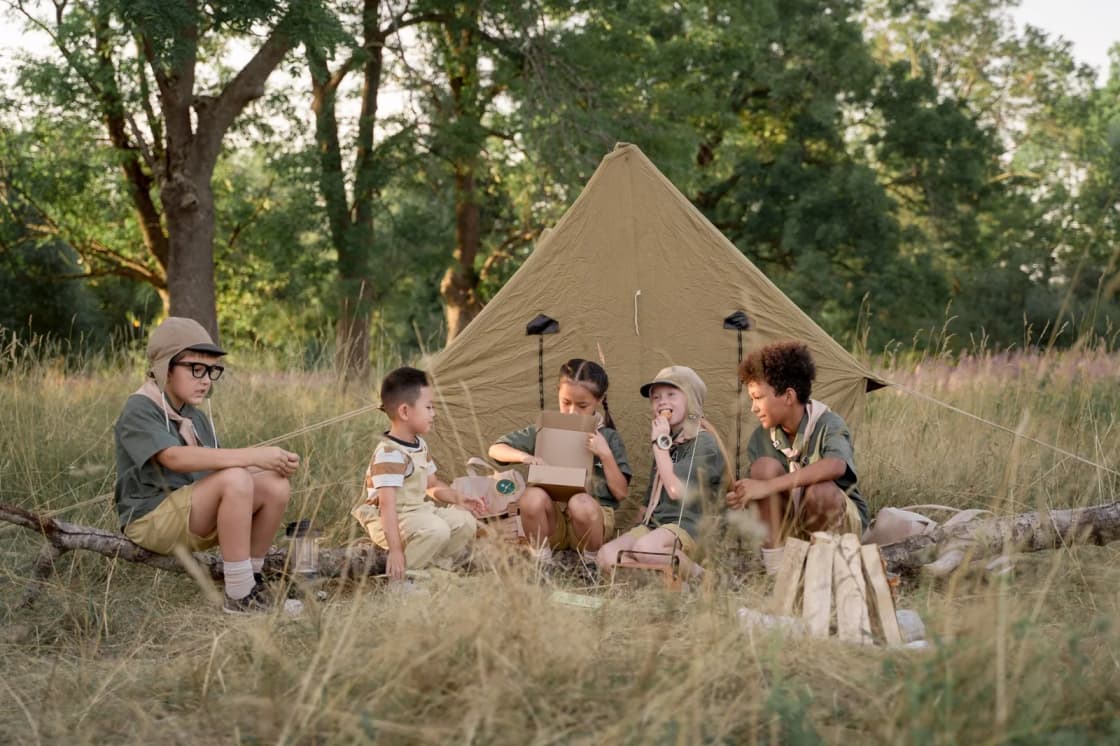
Overnight camps. The Provo School District's Camp Big Springs in the South Fork of Provo Canyon is the oldest outdoor-education camp in the valley; the Scouting-legacy camps in the Uintas and the Wasatch now run under successor organizations and the Church's youth programs; the university sports and academic camps house out-of-town campers in the dorms; and the national overnight brands rent the canyon camps for sessions. In this valley, overnight camp is mostly for teenagers and for out-of-towners, because the day camps are ten minutes from home.
The Calendar: February Decides
The registration calendar is the part most new families get wrong, so here it is in order.
- October–November: EFY and the Church's youth-conference sessions for the following summer open; the Provo-campus weeks are the most requested and go first.
- December–February: BYU Sports Camps and the academic camps post their summer schedule and open registration (BYU's 2026 registration was live by winter, mid-migration between two registration systems, which is worth knowing because the older camps registered on one system and the newer on the other). The popular sessions — the football and basketball camps, the geology camp — fill by spring.
- February–March: Thanksgiving Point and the STEM camps open. The city recreation departments post their summer pages and open registration; Provo's 2026 sports-camp window opened March 4 and stayed open to the Wednesday before each session, subject to space.
- April: the good museum weeks sell out. Gymnastics and ninja camps open. The nature school opens.
- May: the scramble. What is left is the city camps' less popular weeks, the activity camps, and whatever the universities did not fill.
- June 1: most programs begin the first Monday after the school-district calendars end.
- The week of the Fourth and the week of the 24th: nothing, or nearly nothing. Provo's parks are the Freedom Festival's, and the staff are its volunteers; Pioneer Day week is thinner everywhere.
- First week of August: the season ends, a week or two before school starts, which is the pre-school lull a family should plan for.
Who Goes to What: A Summer by Age
Six. The city's half-day sports camps (Provo takes six and up) and the museum camps at Thanksgiving Point, one week each, with the nature school for a week if the child likes dirt. Morning camp, afternoon at the pool. Four or five camp weeks across the eleven; the rest is the grandparents, the library's summer reading program, and the splash pads. Cost for the summer: a few hundred dollars.
Ten. The city's full-day adventure camp for the weeks a working parent needs covered; a university sports camp in the sport the child plays (the three-day commuter sessions are the right first step); a STEM or museum camp; a gymnastics, ninja or climbing week; and the outdoor STEM camp if the school district runs it that year. This is the age the spreadsheet is for, because a ten-year-old can do a different thing every week and will. Cost: $800 to $1,500 for a full rotation, less with the city's fee waivers.
Fourteen. Fewer, longer, chosen by the teenager. One university camp in the thing they care about — a sports camp with housing if they want the dorm experience, the geology camp if they want the state, a music or theater intensive, EFY if the family is in the Church and the teenager wants it. One outdoor week, overnight. And, for the first time, a job: the camps hire fifteen- and sixteen-year-olds as junior counselors, and our summer jobs guide covers how. Cost: $500 to $1,500 depending on housing.
Any age, on a budget. The city camps with a fee waiver, the library, the pool, the free days at the museums, the free summer meal sites, and the church youth programs, which are free and run all summer. A full summer of the city's half-day camps is cheaper than one week of most private camps.
What the Fee Covers and What to Ask
A city sports camp fee covers four mornings, a t-shirt, snacks and the coaches; the child brings a water bottle and sunscreen. A full-day camp fee covers lunch at some programs and not others — ask. A university camp fee covers instruction, a shirt, sometimes a ball, and, with the housing option, the dorm and meals; commuter campers bring lunch or buy it on campus. A museum camp fee covers the materials and admission.
The questions worth asking every operator: what are the actual drop-off and pick-up times (a "9 to 3" camp with a 3:00 hard stop is not a full workday); what is the counselor-to-camper ratio and the counselors' age (a camp staffed by sixteen-year-olds is a different product from one staffed by teachers); what happens on a smoke day or a heat day (the valley's summer air can close outdoor camps); what the refund policy is for illness; and whether there is before- or after-care. The city programs are the most transparent about all of this; the private operators vary.
The Programs Worth Knowing by Name
A short roster of the flagship programs, in rough order of how early they fill, with what each is for. Every one publishes its own dates and prices each winter; this is the shortlist, not the catalog.
BYU Sports Camps. The largest single operator in the valley. Dozens of sport-specific sessions from late May through July, most three to five days, most with commuter and dorm-housing options. The football, basketball and volleyball camps carry the university's coaching staffs and fill first; the swimming, golf, track and wrestling camps are easier to get into and often better coached per camper. Campers follow the campus dress and grooming standards for the week, which the registration pages state plainly.
EFY and the Church youth conferences. A week on the BYU campus for fourteen-to-eighteen-year-olds with dorm housing, meals, classes, devotionals and a dance. It is a religious program, and the families it serves know that; the practical notes are that the Provo-campus weeks are the most requested in the country and open in the fall, and that a teenager who does not want a week of devotionals should be steered elsewhere.
Provo Parks and Recreation. The city's half-day sports camps, full-day adventure camps, and (in partnership with the school district) the outdoor STEM camp. Cheapest, most local, resident discount, fee waivers for families who qualify. Registration opened March 4 in 2026 and stayed open to the Wednesday before each session as space allowed, which makes it the best late-May fallback in the valley.
Thanksgiving Point. Museum camps across four venues from preschool to high school, including the autism-spectrum sessions at the Museum of Natural Curiosity. The dinosaur and farm camps are the ones that sell out.
The Wasatch Nature School and CLAS Ropes Course. The west-side outdoor pair: nature weeks for three-to-eleven-year-olds with river-trail access, and a ropes-course adventure day each Friday. The camp for the child who would rather be outside than in a gym.
BYU's academic camps. The geology field camp (ages twelve to eighteen, a different site each day across northern and central Utah), the chemistry and engineering weeks, the music and theater intensives. Small, well taught, and the camps most likely to change what a teenager wants to study.
Camp Big Springs. The Provo School District's outdoor-education camp in the South Fork of Provo Canyon, the valley's oldest overnight camp and a rite of passage for the district's students. The district publishes its sessions on its own calendar.
The STEM Action Center catalog. Not a camp but the state's list of them: the coding, robotics, maker and science camps that set up in Lehi, Saratoga Springs, Eagle Mountain, Pleasant Grove and Lindon each summer under national and local brands, with ages and locations. It is the fastest way to find the specialty camp in the right city.
The activity gyms. Gymnastics, ninja, trampoline, climbing, martial arts, swim. Half-day weeks from about four. The camps that fill the afternoons and the gaps, and the ones with the most openings in May.
The Holiday Weeks and the Smoke
Two things reliably disrupt a Utah Valley summer. The first is the calendar: the week of the Fourth in Provo is the Freedom Festival, and nearly every program pauses; the week of the 24th is Pioneer Day, a state holiday, and many programs shorten. Plan the family trip for one of those weeks and plan the grandparents for the other.
The second is the air. Wildfire smoke and inversion-free but ozone-heavy July afternoons close outdoor camps or move them indoors on a few days most summers, and the operators' policies range from "we go inside" to "we cancel." Ask. The indoor camps — museum, gym, coding, the rec center's own — are the hedge.
The Overnight Question
Families new to the valley often assume a summer camp means an overnight camp, and in most of the country it does. Here the geography argues against it: the day camps are close, the canyons are closer, and a child under twelve has little to gain from a week in a bunk that a day camp plus a family camping trip does not give. Overnight camp in this valley is a teenager's experience — the university dorm sessions, the youth conferences, the canyon camps — and an out-of-town family's way to send a fourteen-year-old to BYU for a week. The one strong exception is Camp Big Springs, the school district's outdoor camp in the South Fork, which has been a rite of passage for Provo children for generations and which the district publishes on its own calendar.
The Short Version
Utah Valley's summer camps come in five kinds — university, city, museum and STEM, outdoor and activity, overnight — and the kind predicts the price and the date. The universities and EFY open in the fall and winter and fill by spring; the city and museum camps open in February and March; May is for gaps. City half-day camps run about $65 to $75 a week; museum and STEM camps $150 to $350; university sports camps a few hundred for a three-day commuter session and more with housing. Nothing runs the week of the Fourth or the week of the 24th. A six-year-old needs four camp weeks and a pool; a ten-year-old can do a different camp every week; a fourteen-year-old should pick one thing and get a job. And the spreadsheet is not a joke — it is how the valley's parents do it.
Related Guides
- Summer Jobs in Utah Valley That Are Not Door-to-Door Sales
- Youth Soccer in Utah Valley
- Youth Baseball and Softball in Utah Valley
- Thanksgiving Point: The Complete Visitor Guide
- The Provo Recreation Center
- Where to Swim in Utah Valley
- Trampoline Parks & Indoor Play Places in Utah Valley
- Kids Eat Free in Utah Valley
- Kids' Art, Music and Craft Classes in Utah Valley
Frequently Asked Questions
When does summer camp registration open in Utah Valley?
What do the camps cost?
Are BYU's camps only for members of the Church, or for BYU families?
What is there for a child too young for the university camps?
Where are the overnight camps?
What happens with camps around the Fourth and Pioneer Day?
Are there camps for teenagers that are not sports?
How do working parents cover a full summer?